The Rise of Delhi-NCR: A Case Study in Evolving Consumer Behavior
हिंदी में सुनें
Listen to this article in Hindi
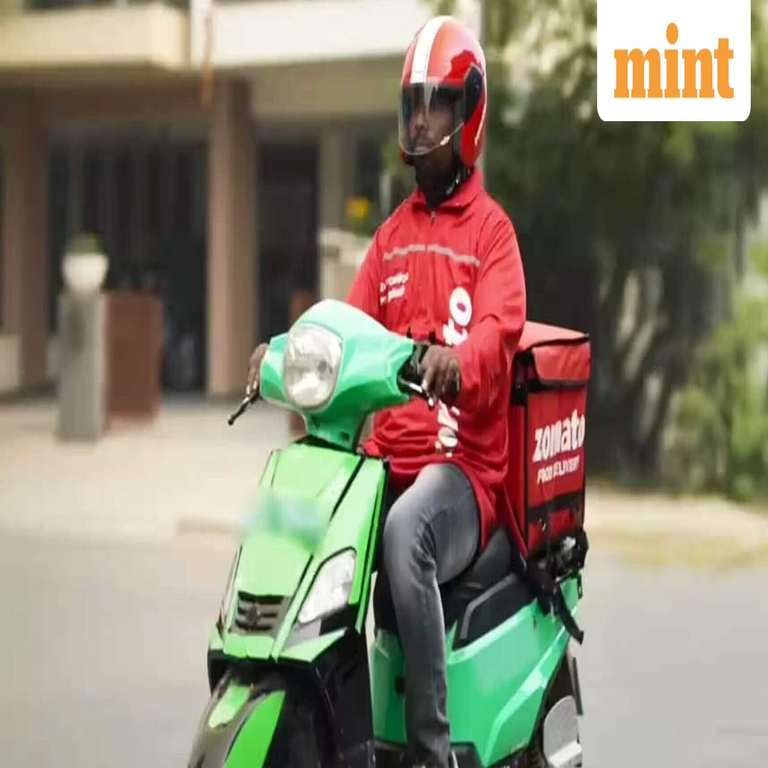
Delhi-NCR leads Zomato orders, reflecting changing consumer habits and market opportunities in India's food delivery sector.
In a landscape where urban consumption patterns are rapidly evolving, the recent data from Zomato reveals a striking narrative: Delhi-NCR has emerged as the dominant market for food delivery in India, eclipsing traditional powerhouses like Mumbai and Bengaluru. This shift underscores a broader transformation in consumer behavior, driven by demographic trends, technological adoption, and cultural factors, which collectively shape market dynamics and investment opportunities in the Indian economy.
The staggering 18.72 lakh orders registered in Delhi-NCR at what Zomato dubbed 'India's national dinner time' signals not just a preference for convenience but also a significant cultural shift towards online dining experiences. The data indicates that the National Capital Region recorded 4.22 crore more orders than both Mumbai and Bengaluru combined. This remarkable figure can be attributed to several factors, including the region's diverse population, a burgeoning young demographic, and a robust infrastructure for tech-driven services. As urbanization continues to accelerate, markets like Delhi-NCR stand to benefit from a more digitally savvy consumer base, eager to embrace the conveniences offered by platforms like Zomato.
The implications of this trend extend far beyond just food delivery. As consumer behavior evolves, so too does the structure of the Indian economy. The dominance of Delhi-NCR in food orders illustrates a shift in economic activity towards urban centers, where disposable incomes are rising alongside a growing appetite for diverse dining options. This focus on metropolitan areas can lead to a concentration of liquidity in these markets, making them attractive for investors looking to capitalize on emerging consumer trends. The success of Zomato in these regions may also encourage similar platforms to innovate and expand their offerings, further fueling competition and investment in the food tech space.
Zomato's response to the increased demand, particularly during peak hours, provides insight into the company's operational strategies and the overall market dynamics. The recent increment in delivery partner incentives—part of a broader annual protocol during festive periods—highlights the importance of adapting to consumer demand while also managing workforce satisfaction. As gig workers, including delivery partners, play a crucial role in the food delivery ecosystem, the dynamics of their compensation and working conditions will significantly influence service quality and operational efficiency. The strike by gig workers underscored the growing concerns over low pay and poor working conditions, which, if unaddressed, could lead to service disruptions and impact consumer trust in these platforms.
Moreover, the concentration of orders during specific times, such as the peak at 8:25 PM, illustrates a clear pattern of consumer behavior that can be harnessed for strategic marketing and operational decisions. Understanding these trends allows businesses to optimize their logistics and enhance customer experiences, ultimately leading to greater market penetration. The ability to predict peak demand times can significantly reduce operational costs and improve service delivery, contributing positively to the bottom line.
This evolving landscape is not without its risks. The concentration of orders in one region may lead to volatility in supply chains and delivery logistics, particularly during peak times or festive seasons. As the market grows, so too does the challenge of maintaining consistency in service quality, especially in a labor-intensive sector that relies on gig workers. Additionally, the success of Zomato in Delhi-NCR could inspire competitive responses from rivals like Swiggy, leading to price wars that may compress margins across the sector.
On a global scale, Zomato's performance in international markets, particularly in the Middle East, reflects a growing appetite for Indian food delivery models abroad. With the UAE, US, and UK markets showing promising order volumes, Zomato’s international strategy could serve as a model for other Indian brands looking to expand globally. This trend indicates a broader acceptance of Indian business models in international markets, which can further boost investor sentiment towards the Indian tech and food service sectors.
As markets react to these developments, the implications for liquidity and overall sentiment in the Indian economy are profound. The success of platforms like Zomato not only reflects changing consumer habits but also signals a shift in investment strategies focusing on urban-centric consumer goods and services. Investors should closely monitor these trends, as they will shape the future of consumption in India.
So where does that leave things? the rise of Delhi-NCR as a leader in food delivery orders encapsulates a transformative phase in the Indian market landscape. As consumer preferences evolve, they open new avenues for innovation and investment. The interplay between consumer behavior, market structure, and operational strategies will be pivotal in determining the future trajectory of companies within this space. Understanding these dynamics will be crucial for investors aiming to navigate the complexities of the Indian economy and capitalize on emerging opportunities.
For a deeper insight into how these trends are interconnected with broader economic policies, consider exploring the RBI policy or interest-rate environment, as well as the overall structure of the Indian economy.
Editor's note: This article was independently written by the Scoopliner Editorial Team using publicly available information.