Women's Rights and Global Geopolitics: A Complex Landscape
हिंदी में सुनें
Listen to this article in Hindi
Examining the current threats and emerging resistance in women's rights across the globe.
In recent years, the landscape of women's rights has undergone significant scrutiny amid a backdrop of geopolitical tensions and shifting sociopolitical climates. The rollback of established rights in various regions signals a troubling trend that not only affects women's autonomy but also reflects broader ideological battles playing out on the world stage. As nations grapple with the implications of these changes, the response from women’s rights advocates illuminates a resilience that may redefine the parameters of gender equality today.
The geopolitical context surrounding women's rights issues is increasingly characterized by the rise of conservative movements in several countries, including the United States and the United Kingdom. These movements often advocate for traditional family structures while seeking to diminish the rights associated with reproductive health. Such a rollback raises critical questions about the future of women's rights in these countries and reflects a broader global phenomenon where political ideologies are increasingly polarized.
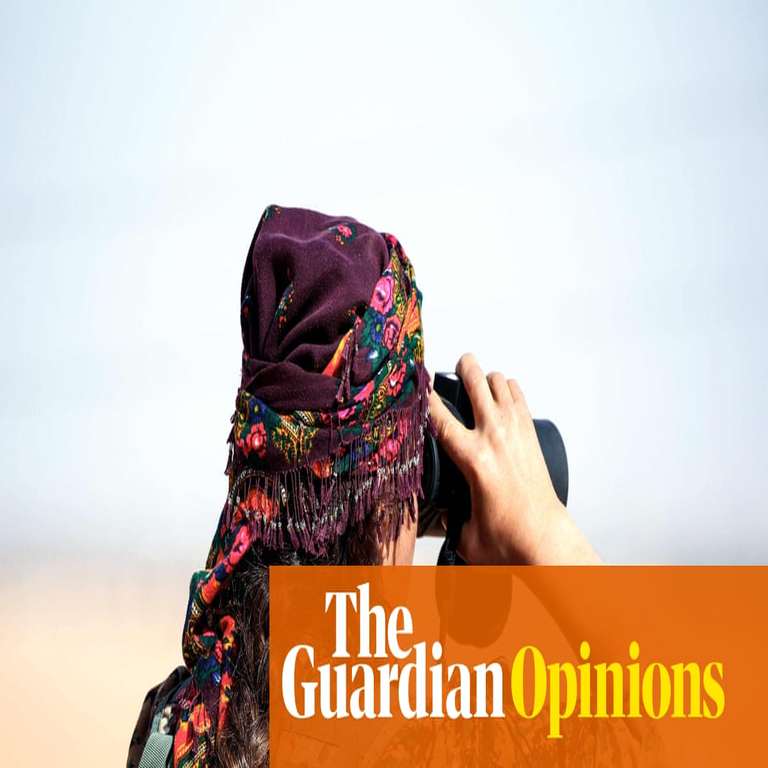
In regions like Afghanistan, where the Taliban has imposed stringent restrictions on women’s freedoms, the implications are profound. The systematic dismantling of rights and the normalization of gender-based violence not only affect local societies but have ripple effects on international relations, influencing how nations engage with and support Afghanistan. The plight of women in these regions serves as a stark reminder of the power dynamics at play, often sidelining gender issues in favor of geopolitical interests.
Conversely, the emerging resistance from women’s rights activists offers a glimmer of hope. In El Salvador, for instance, the successful mobilization of feminists to free women imprisoned under draconian abortion laws demonstrates the potential for grassroots movements to challenge oppressive systems. Similarly, the solidarity shown by Russian feminists through their symbolic gestures highlights the interconnectedness of women's rights and anti-war sentiments, suggesting that women’s movements can transcend national borders, serving as a unifying force in times of crisis.
Iceland presents a unique case study, as it has consistently ranked highly on the World Economic Forum’s gender equality index despite being governed predominantly by conservative parties. This paradox raises important questions about the conditions under which feminist movements can thrive. The historical context of the 1975 women’s strike illustrates the power of collective action and the acknowledgment of unpaid labor, which remains a vital topic in the discourse surrounding gender equality today.
The intersection of women’s rights with labor movements is particularly noteworthy. In Iceland, the high rates of unionization among women and their increasing presence in leadership roles have contributed significantly to the advancement of gender equality. This model could provide valuable lessons for other nations facing similar challenges, demonstrating that sustainable progress often requires the integration of women’s rights with broader social and economic strategies.
While there are encouraging signs of resistance and progress, the challenges remain formidable. The resurgence of conservative ideologies poses a significant risk to the hard-won rights that women have fought for over decades. Moreover, the impact of social media and global interconnectedness means that the struggle for women’s rights is now more visible, yet also more susceptible to backlash from entrenched interests.
So where does that leave things? the current state of women’s rights around the world is indicative of a broader geopolitical struggle, where advancements can be met with significant resistance. The resilience shown by women’s movements in various regions underscores the potential for transformative change, yet the ongoing threats highlight the need for sustained vigilance and solidarity in the fight for gender equality. As the global landscape continues to evolve, the interplay between women's rights and geopolitics will remain a critical area of focus for policymakers and advocates alike.
Editor's note: This article was independently written by the Scoopliner Editorial Team using publicly available information.