The Role of Exoskeleton Technology in Stroke Rehabilitation: A Groundbreaking Advancement
हिंदी में सुनें
Listen to this article in Hindi
Exploring the impact of the world's first arm exoskeleton on stroke rehabilitation and public health.
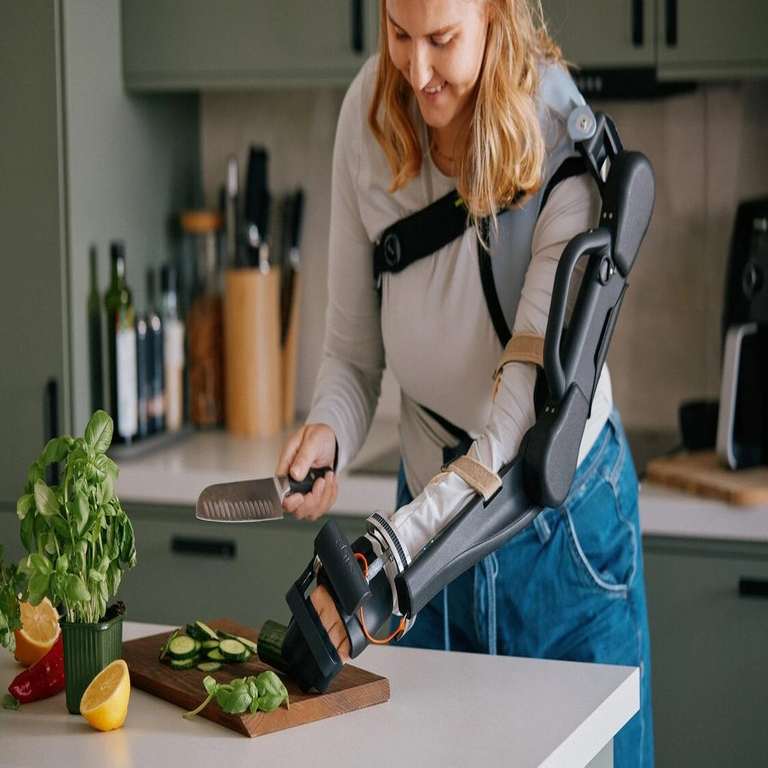
In recent years, the prevalence of stroke survivors has been on the rise globally, thanks in part to advancements in emergency medical care and rehabilitation strategies. As the population of stroke survivors grows, so does the urgency to address the complex needs of these individuals, who often face debilitating disabilities. A significant innovation in this area is the development of the world's first arm exoskeleton, designed specifically for stroke patients. Created by Vilje Bionics in Norway, this device aims to restore independence and enhance the quality of life for those affected by partial paralysis.
The implications of this technology are profound. Stroke is one of the leading causes of disability worldwide, with millions experiencing varying degrees of motor impairment. The traditional rehabilitation focus has primarily been on lower-body mobility, often neglecting the upper limbs, which are crucial for daily activities and personal autonomy. The introduction of an exoskeleton that assists in arm movement could shift rehabilitation paradigms, fostering a more holistic approach to patient care.
The arm exoskeleton detects and amplifies residual movements in the shoulder, elbow, and hand, allowing users to regain a sense of control over their movements. This capability is particularly significant for individuals like Johanne Marie Hemnes, who reported feeling disconnected from her arm post-stroke. By enabling patients to perform small, intentional movements, the device not only aids in physical rehabilitation but also supports mental health by restoring a sense of agency and identity.
Despite its promise, the integration of such technology into healthcare systems poses challenges. Accessibility and affordability will be critical factors in determining the widespread adoption of exoskeletons. Policymakers and healthcare providers must consider how to incorporate these advanced devices into existing rehabilitation programs, ensuring that they are available to all who need them, regardless of socioeconomic status.
Moreover, while the exoskeleton represents an exciting advancement, it is essential to recognize the limits of current understanding. The long-term effects of using robotic assistance on physical recovery and functional independence are still under investigation. Continued research will be crucial to fully grasp its potential and to address any unforeseen consequences of dependency on such devices.
From a public health perspective, the introduction of arm exoskeletons highlights a broader need for innovation in rehabilitation technologies. With the stroke population projected to grow, investments in research and development, as well as infrastructure that supports new therapies, are paramount. This technological evolution could redefine rehabilitation, making it more patient-centered and effective.
Awareness of these advancements is also essential for healthcare providers, patients, and policymakers. By understanding the capabilities and limitations of exoskeleton technology, stakeholders can work collaboratively to create supportive environments that enhance recovery outcomes and quality of life for stroke survivors.
So where does that leave things? the development of the arm exoskeleton by Vilje Bionics represents a significant step forward in stroke rehabilitation, with the potential to transform how individuals recover from paralysis. That said, the reality is a bit more complicated. its successful implementation will require careful consideration of accessibility, ongoing research, and a commitment to an inclusive healthcare approach that prioritizes the needs of all stroke survivors.
Editor's note: This article was independently written by the Scoopliner Editorial Team using publicly available information.