Understanding the Wolf Supermoon: Astronomy and Viewing Tips
हिंदी में सुनें
Listen to this article in Hindi
Learn about the Wolf Supermoon in January 2026, its significance, and viewing tips for this astronomical event.
The Wolf Supermoon of January 2026 represents an intriguing astronomical event that combines both traditional cultural significance and modern scientific understanding. On January 3, 2026, the full moon will occur at approximately 10:03 GMT, coinciding with its perigee—the point in its orbit when the moon is closest to Earth. This alignment is what gives rise to the term 'supermoon', a phenomenon that has gained interest not only among astronomers but also among the general public.
What is a Supermoon? Astronomically speaking, a supermoon is defined as a full moon that occurs when the moon is within about 90% of its closest distance to Earth. This proximity allows the moon to appear larger—up to 14%—and brighter—by about 30%—than it does when it is at apogee, or its farthest point from Earth. While these differences are quantifiable, they may be subtle to the casual observer, without specialized equipment.
Cultural Significance of the Wolf Moon The term 'Wolf Moon' has its roots in North American and European folklore. Traditionally, it refers to the full moon in January, a time when hungry wolves were often heard howling near human settlements. This historical context adds a layer of cultural intrigue to the astronomical event, connecting modern skywatchers with ancient traditions.
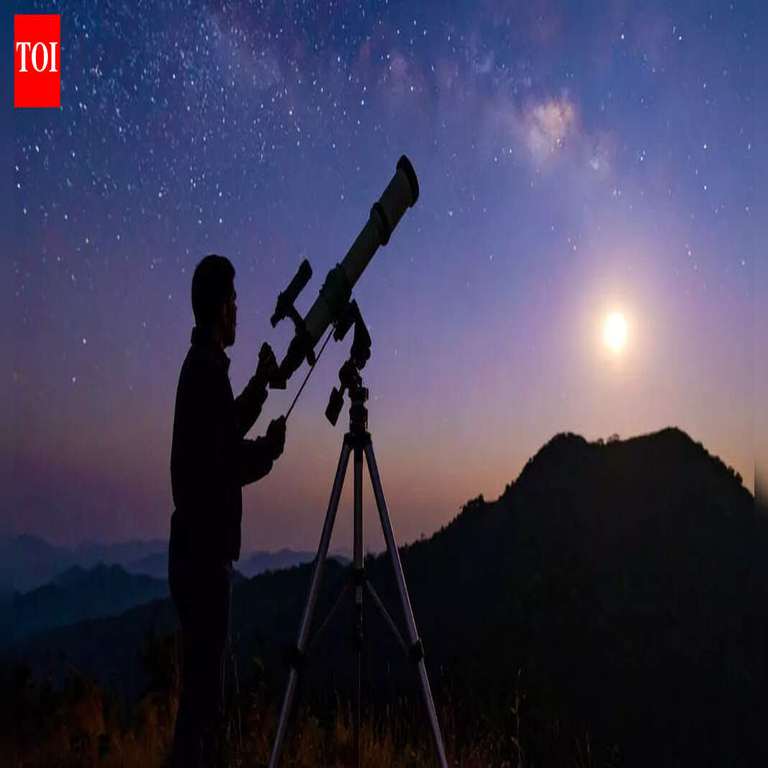
Prime Viewing Opportunities For those looking to witness the Wolf Supermoon, the evenings of January 2 and 3, 2026, present the best opportunities. The moon will rise shortly after sunset, allowing for extended viewing time throughout the night. Notably, the moonrise on January 3 is expected to be particularly spectacular, as it may appear yellow or orange near the horizon due to atmospheric scattering.
The Science Behind Moonrise Illusions When the moon is near the horizon, it can look significantly larger than when it is higher in the sky. This optical illusion occurs because our brains compare the moon to objects on the horizon, such as trees or buildings. That said, the reality is a bit more complicated. it is essential to understand that the size of the moon does not actually change; it is a perceptual phenomenon.
Local Viewing Considerations Moonrise times will vary depending on your location, making it advisable to consult a planetarium app or local almanac for precise timings. This customization allows viewers to plan their experience according to local conditions, enhancing the likelihood of a successful viewing.
Limitations of the Experience While the Wolf Supermoon is an exciting event for many, it is important to temper expectations. Not all observers will notice the significant size difference compared to a regular full moon, and factors such as weather conditions or light pollution can heavily influence visibility. Moreover, the impact of this astronomical event on Earth and its inhabitants is largely aesthetic rather than scientifically profound.
Conclusion In summary, the Wolf Supermoon of January 2026 offers an excellent opportunity for both amateur and seasoned astronomers to engage with the cosmos. Understanding the scientific context of this event can enhance the experience, providing a greater appreciation for the celestial mechanics at play. While it may not yield groundbreaking scientific insights, it invites reflection on our place in the universe and our connection to cultural narratives surrounding natural phenomena.
Editor's note: This article was independently written by the Scoopliner Editorial Team using publicly available information.