Understanding the Wolf Moon: Insights into the Supermoon Phenomenon
हिंदी में सुनें
Listen to this article in Hindi
Learn about the Wolf Moon, a supermoon phenomenon occurring on January 3, 2026, and its significance in astronomy.
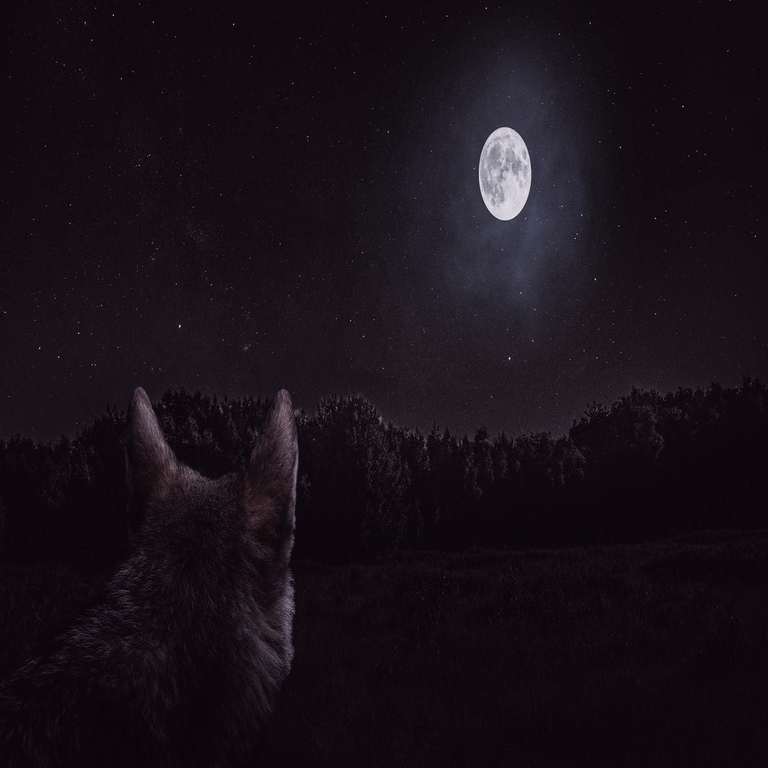
The Wolf Moon, set to appear on January 3, 2026, represents a significant astronomical event as it coincides with a supermoon. This phenomenon occurs when the Moon is at its closest approach to Earth, known as perigee, during its full phase. As a result, the Moon will appear larger and brighter than usual, leading to enhanced visibility for skywatchers. This supermoon is expected to peak around 5 AM EST on January 3, although it can be observed throughout the night from January 2-4, depending on weather conditions.
To optimize the viewing experience, experts suggest watching the Moon during moonrise and moonset, which typically occurs around sunset and sunrise. This timing enhances the visual impact due to a phenomenon known as the 'Moon illusion,' where the Moon appears larger near the horizon compared to when it is high in the sky. Additionally, the color of the Moon shifts to an orange hue near the horizon due to atmospheric scattering, adding to its aesthetic appeal.
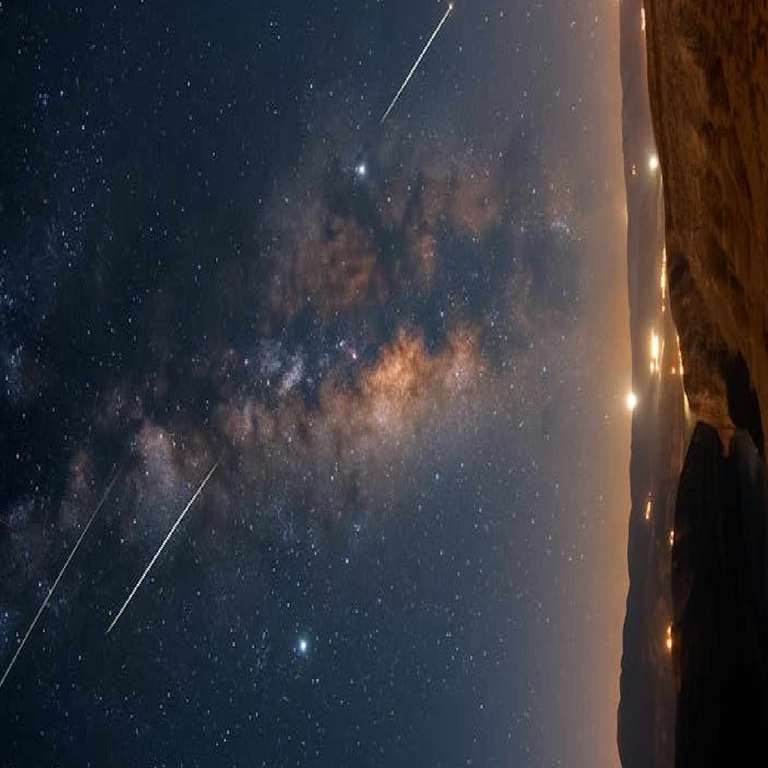
The Wolf Moon is not just a standalone event; it coincides with several other celestial occurrences in January. On the night of January 3, Jupiter will be notably close to the Moon, providing an excellent opportunity for stargazers to observe both celestial bodies. Orion's winter constellation will also be visible, enhancing the overall skywatching experience. Additionally, the supermoon coincides with the peak period of the Quadrantid meteor shower from January 2-3, which is known for its bright meteors or fireballs.
While the supermoon offers a unique visual experience, it is essential to recognize what it does not signify. The term 'supermoon' does not imply any unusual gravitational effects or changes on Earth; rather, it is a descriptive term for the Moon's increased apparent size when viewed from our planet. Furthermore, the visual enhancements during moonrise and moonset are primarily optical illusions, not actual changes in the Moon's physical size.
In a broader scientific context, the observation of supermoons contributes to our understanding of lunar cycles and their effects on Earth. While the supermoon garners public interest and enhances amateur astronomy, it also serves as a reminder of the intricate dynamics between Earth and its natural satellite. That said, the reality is a bit more complicated. it is critical to approach these celestial events with realistic expectations, understanding their natural basis without attributing undue significance or interpretation.
In summary, the Wolf Moon provides an opportunity for both casual observers and dedicated astronomers to appreciate a visually striking phenomenon in our night sky. Its occurrence invites reflection on the relationship between Earth and the Moon, and the ongoing fascination humanity has with celestial events, while also reminding us of the limitations of such observations within the broader spectrum of astronomical science.
Editor's note: This article was independently written by the Scoopliner Editorial Team using publicly available information.