Examining the Potential Cybersecurity Implications of Custom Gmail Domains
हिंदी में सुनें
Listen to this article in Hindi
An analysis of potential cybersecurity risks associated with rumored Gmail domain customization.
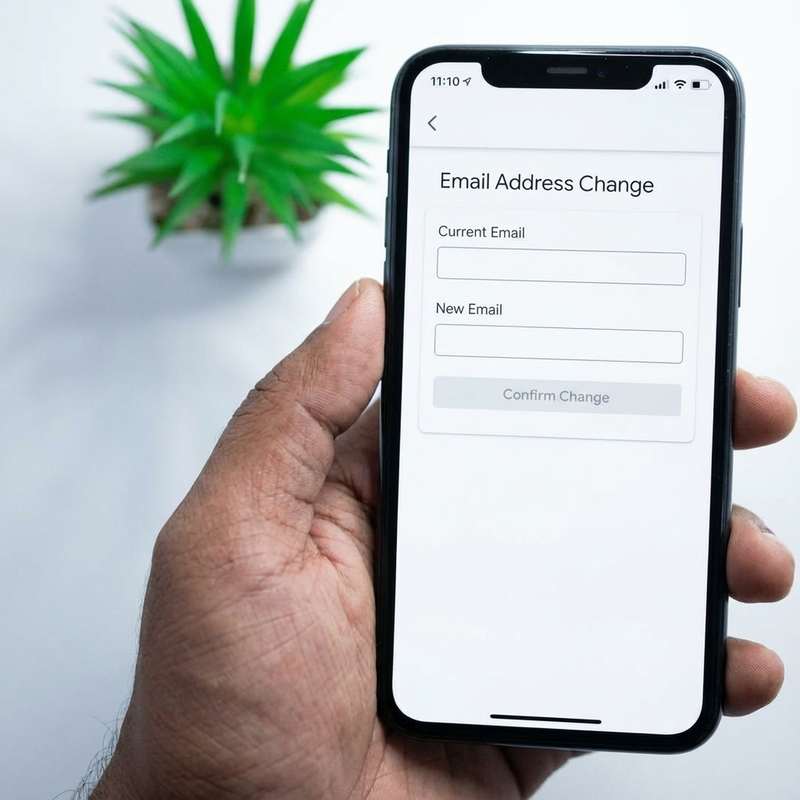
Recent speculation around a potential feature from Google that would allow users to change the domain portion of their Gmail addresses has ignited discussions about its implications. Currently, Gmail users have email addresses ending in '@gmail.com', but if this change were to occur, users could customize their email domain, pending approval from Google. While the feature remains unconfirmed, understanding its possible repercussions is essential for both individual and organizational email users.
One immediate concern with the ability to customize email domains is the impact on spam filtering mechanisms employed by Gmail and other email providers. These systems are designed to protect users from unwanted and potentially harmful messages. If users begin to create email addresses with unfamiliar or newly established domains, these emails could be flagged as spam even if they originate from legitimate sources. The result would likely be that important communications may not reach their intended recipients.
This potential issue is not merely theoretical. Many businesses and startups already face challenges with email deliverability when using custom domains. For instance, a new company may struggle to gain trust from email servers, which can lead to their messages being marked as spam. This challenge is compounded by the need for proper email authentication and consistent sending behavior to build a positive reputation with email service providers.
In the broader ecosystem, allowing users to customize their Gmail domains could lead to a proliferation of new domains, some of which may not be properly secured or verified. This could foster an environment ripe for cyber threats, including phishing attacks where malicious actors impersonate legitimate businesses using slightly modified email addresses. The change could inadvertently provide a tool for cybercriminals, making it more challenging for users to discern legitimate communications from fraudulent ones.
Moreover, the potential for increased spam and phishing attempts could strain the resources of email service providers. The need for enhanced spam detection and verification processes would become even more crucial, necessitating updates to existing systems and possibly leading to a more complex user experience when it comes to email management.
Ultimately, while the idea of customizing Gmail domains might appeal to users seeking a unique identity or branding, the cybersecurity implications cannot be overlooked. Users and organizations would need to navigate a landscape where trust in email communications could be further eroded, necessitating vigilance and possibly enhanced security measures across the board.
So where does that leave things? while the rumored Gmail account change has not been confirmed by Google, the discussions surrounding it highlight vital concerns regarding email security. Until more information is available, users should remain cautious about the potential consequences of such a feature and consider the broader implications for email communication and cybersecurity.
Editor’s note: This article was independently written by the Scoopliner Editorial Team using publicly available information.