Why Ola Electric Founder Bhavish Aggarwal is Selling Stake as Shares Hit 52-Week Low
हिंदी में सुनें
Listen to this article in Hindi
Ola Electric's stock hits a 52-week low, prompting founder Bhavish Aggarwal to sell shares. The move aims to eliminate promoter pledges. Read the analysis.
Ola Electric's stock price has plummeted to a 52-week low, declining an additional 4% today. This continues a significant downward trend that has erased the majority of gains made after its market debut; shares now trade slightly above Rs 30.
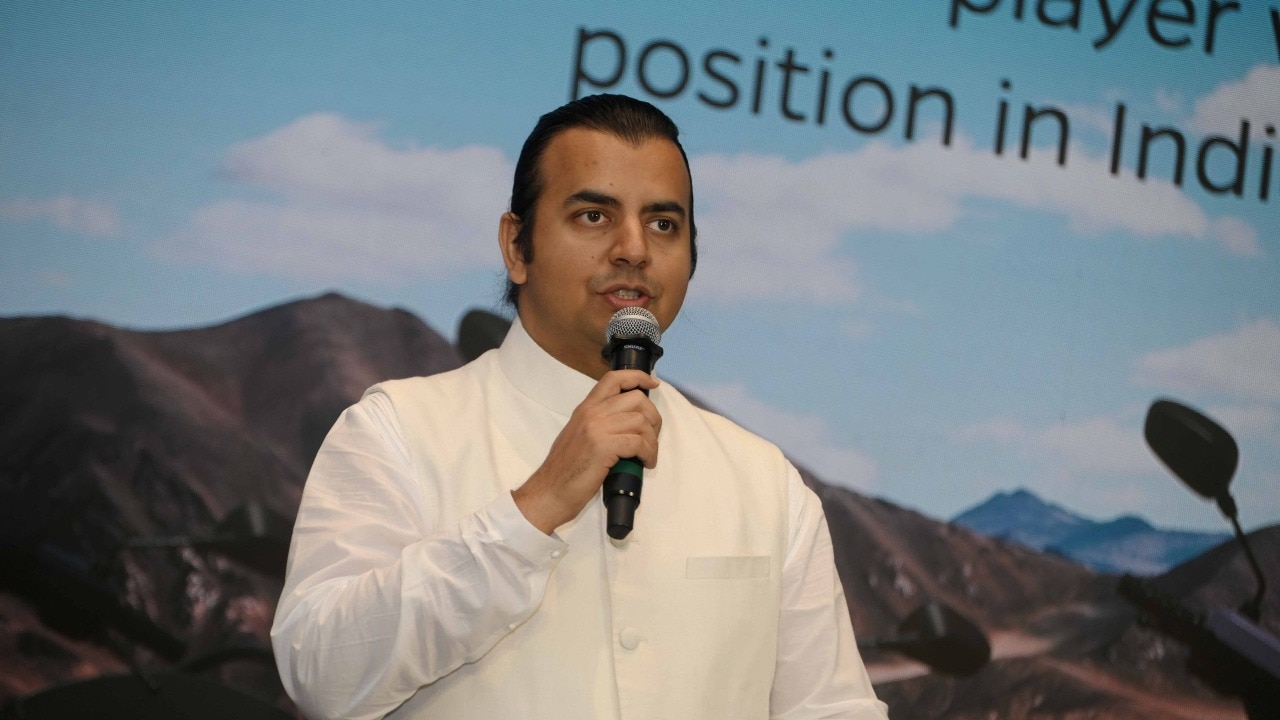
The immediate cause appears to be Ola Electric founder Bhavish Aggarwal's recent sale of shares on the open market over two days. The total value of these transactions exceeds Rs 200 crore.
Typically, substantial sales by a founder, especially when a stock is already performing poorly, tend to unnerve investors. Such actions can cast doubt on the confidence of company promoters while simultaneously increasing the supply of available shares, which can further depress the price.
**Clearing Promoter Pledges**
According to Ola Electric, Aggarwal has executed "a one-time, limited monetisation of a small portion of his personal stake to fully repay a promoter level loan amounting to INR 260 crore." The company stated that this sale will release all previously pledged shares, representing 3.93% of the total, thereby eliminating what it describes as “a critical overhang.”
Ola Electric also noted that even after this transaction, the promoter group will still hold approximately 34% of the company. This represents one of the highest levels of promoter ownership among newly listed companies. The company insists that this sale does not dilute promoter control or reflect any change in long-term strategy.
The company further clarified that this move aims to eliminate all promoter pledges, which can introduce unnecessary risk and volatility. Aggarwal believes Ola Electric should operate with “zero pledge overhang” and is committed to unwinding all leverage.
The company emphasizes that the transaction is occurring at the promoter's personal level and “would have no impact on Ola Electric’s operations, governance, or strategic direction.” The company's focus remains on establishing a globally competitive electric mobility and clean energy company based in India.
**Why the Ola Founder is Selling**
In essence, Aggarwal secured a substantial loan using his shares as collateral and pledged a portion of his stake. He is now selling some of these shares to repay the loan and remove the pledge.
According to Kranthi Bathini, director of equity strategy at WealthMills Securities, “As per the disclosure by the Ola Electric promoter Bhavesh Agarwal, the promoter sold to clear a promoter pledge... and they reiterated... that the promoter... is committed to the long term growth of the company... So through this sale, they want to remove the pledge.”
That said, the reality is a bit more complicated. this sale coincides with existing pressures on Ola Electric's business. The growth of EV sales has slowed considerably. The overall market for electric two-wheelers is not expanding as rapidly as initially anticipated, and competition from other manufacturers has grown more intense.
Revenue is under pressure, and the company continues to operate at a loss. This has created market anxiety about the timeline for achieving stable profitability.
**Should Investors Worry?**
Bathini succinctly summarizes the risk profile, noting that this is a “high EBITDA stock” in a sector where EV penetration is “not as expected” amid “intense competition.” He concludes that it is “suitable to the high risk capital investors, that is it.”
From a technical and governance perspective, the removal of pledges is a positive step, as it reduces financial risk associated with margin calls.
That said, the reality is a bit more complicated. from an equity market sentiment perspective, promoters selling at low prices, coupled with declining sales and an uncertain industry backdrop, suggests that the stock is likely to remain volatile. It is best suited for investors who are comfortable with high risk and extended investment horizons.