India's Renewable Energy Future Hinges on a Smarter, Stronger Grid
हिंदी में सुनें
Listen to this article in Hindi
India's ambitious renewable energy goals require significant investment in grid infrastructure and storage. A look at the challenges and opportunities.
India's commitment to a cleaner energy future is undeniable, but the nation's ability to fully realize its renewable energy potential now depends on a less visible, yet equally crucial, component: a robust and intelligent electricity grid. The focus is shifting from simply generating renewable energy to efficiently and reliably delivering that power to homes and industries across the country. This transition presents both significant challenges and compelling opportunities for investors and businesses alike.
The surge in renewable energy capacity, while laudable, is placing immense strain on the existing grid infrastructure. Unlike traditional power sources, renewable energy sources like solar and wind are inherently intermittent. This variability necessitates sophisticated grid management systems capable of balancing supply and demand in real-time. Without substantial upgrades and the integration of energy storage solutions, India risks undermining its own clean energy ambitions through grid instability and power outages. This is especially critical as the nation's industrial output and digital economy continue to expand, creating an ever-increasing demand for reliable electricity.
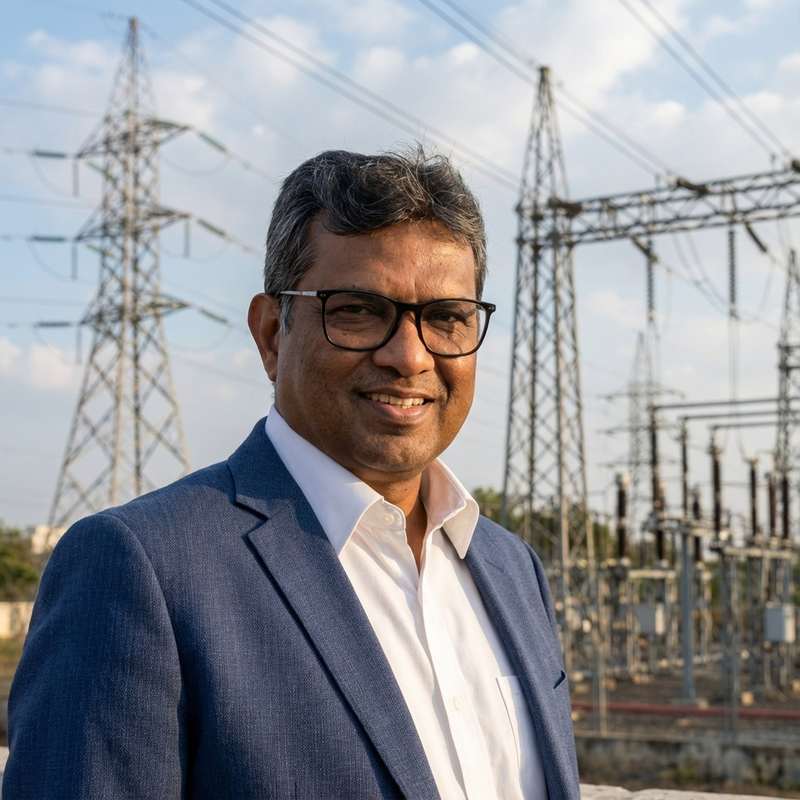
One key area of focus is the development of High-Voltage Direct Current (HVDC) transmission lines. These long-distance transmission lines are crucial for transporting large amounts of renewable energy from resource-rich regions, such as Gujarat and Rajasthan, to major consumption centers across the country. HVDC technology minimizes energy losses during transmission, making it a more efficient and cost-effective solution for delivering clean power over vast distances. Furthermore, the deployment of smart substations equipped with advanced automation and protection systems is essential for maintaining grid stability in densely populated urban areas. These digital substations enable real-time monitoring and control of power flow, allowing for rapid response to fluctuations in supply and demand.
The rise of data centers and AI further complicates the energy landscape. These power-hungry facilities require a constant and reliable supply of electricity, placing additional pressure on the grid. Utilities must invest in expanding transmission capacity and reinforcing substations to meet the growing demands of the digital economy. The good news is that these data centers are increasingly looking to procure green energy, creating opportunities for renewable energy developers and grid operators to collaborate on sustainable solutions. This push for sustainability aligns with global trends and strengthens India's position as a leader in clean energy innovation.
That said, the reality is a bit more complicated. several hurdles remain. Land acquisition for renewable energy projects and transmission lines can be a lengthy and complex process. Right-of-way approvals often face resistance from local communities, delaying project execution. Streamlining these processes and fostering greater public support for renewable energy infrastructure are crucial for accelerating the pace of grid modernization. Another challenge lies in the integration of energy storage solutions. While battery technology is rapidly evolving, the cost of large-scale battery storage remains a barrier. Government policies and incentives are needed to encourage investment in energy storage and create a stable market for these technologies. Investors should be aware of the potential for policy shifts and regulatory changes to impact the economics of renewable energy projects.
Ultimately, India's success in achieving its renewable energy targets depends on a holistic approach that addresses both generation and transmission challenges. A smarter, stronger grid is not just a technical imperative; it is a fundamental requirement for unlocking the full potential of India's clean energy revolution. This involves significant investment in grid infrastructure, advanced technologies, and supportive policies. Investors should carefully analyze the evolving landscape, focusing on companies that offer innovative solutions for grid modernization and energy storage. Understanding the intricacies of RBI policy and its impact on infrastructure financing is also crucial for navigating this dynamic market. As India transitions to a cleaner energy future, a resilient and intelligent grid will be the backbone of its sustainable economic growth. The long-term health of the Indian economy depends on a functioning and forward-thinking electricity market structure.
Editor’s note: This article was independently written by the Scoopliner Editorial Team using publicly available information.