Liverpool's Set-Piece Struggles: A Tactical Breakdown
हिंदी में सुनें
Listen to this article in Hindi
Liverpool's poor set-piece performance leads to the dismissal of coach Aaron Briggs. An analysis of tactical failures and future implications.
Liverpool's recent decision to part ways with set-piece coach Aaron Briggs highlights the urgency for improvement in dead-ball situations. Despite his appointment in September, the statistics surrounding Liverpool's defensive record from set-pieces have prompted this swift action. The club has recorded an alarming figure, conceding 12 goals from non-penalty set-pieces, the highest in Europe's top five leagues. This statistic alone underscores the need for a strategic overhaul in their approach to defending set-pieces.
The numbers paint a grim picture for the Reds. Liverpool concedes at a rate of 8.2 goals per 100 set-pieces, only better than Nottingham Forest, suggesting that the issue is not merely one of personnel but indicative of deeper tactical problems. The team has faced 85 corners this season, yielding a goal approximately every 12 attempts, which is a troubling statistic compared to other clubs like West Ham, who, while also struggling, have faced more corners and conceded at a marginally better rate.
Analyzing the xG (expected goals) metric reveals that Liverpool's defensive woes are not solely due to a lack of aerial prowess. The Reds have the third-lowest xG tally (2.46) from shots conceded after corners in the league. This indicates that while they might successfully win the initial aerial duel, the defensive frailties manifest during the second phase of play, where teams exploit gaps and disorganization in Liverpool's setup. This emphasis on secondary opportunities suggests a clear tactical oversight in their set-piece strategy.
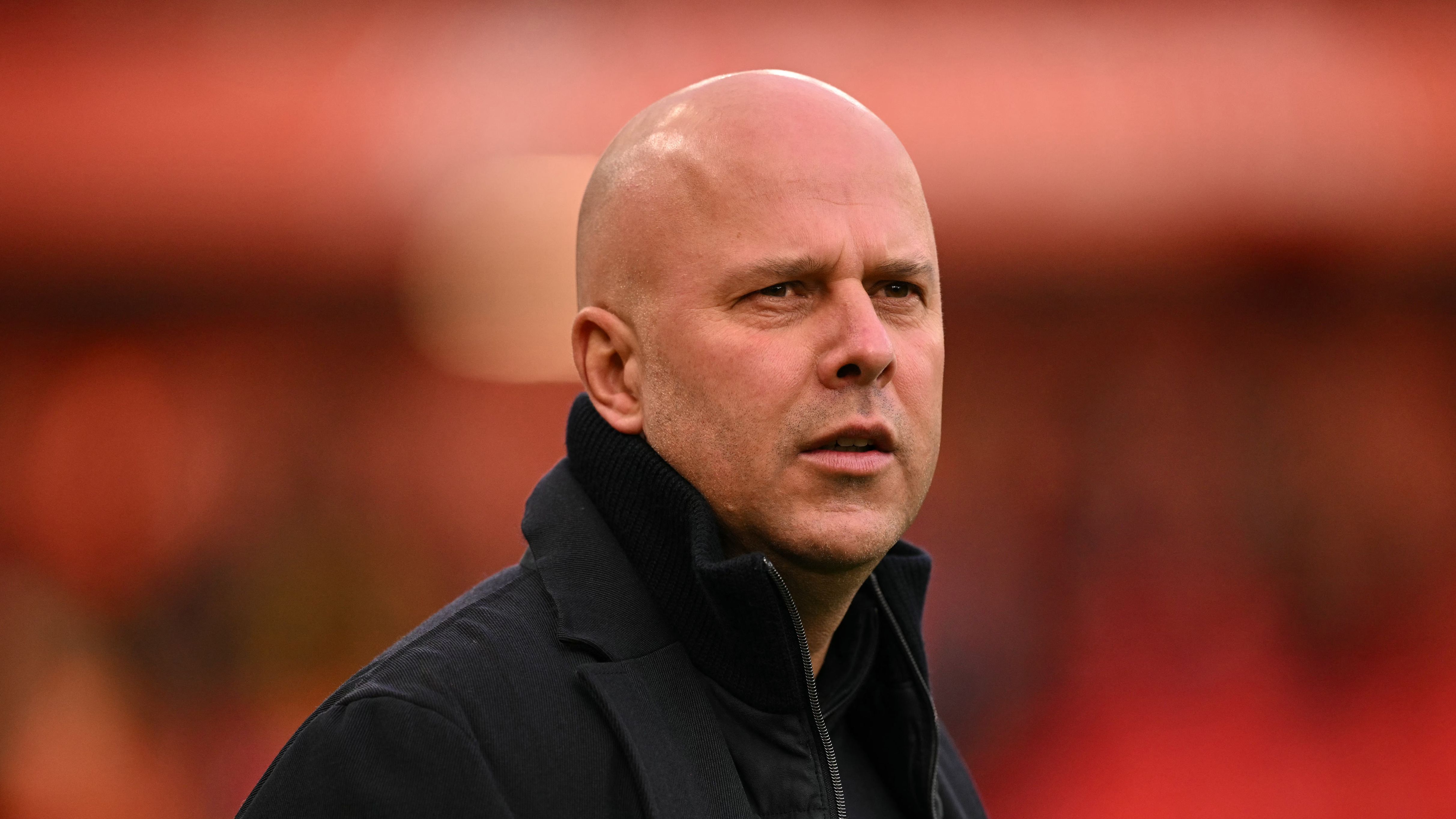
The decision to shift responsibilities for set-pieces to a collective coaching approach under Arne Slot and his staff reflects a pivot towards a more integrated defensive strategy. The move aims to rectify the recurring vulnerabilities that have cost Liverpool crucial points this season. By dispersing responsibility among the coaching staff, the club seeks to foster a more cohesive defensive unit that can better anticipate and respond to the threats posed during dead-ball situations.
Historically, Liverpool has prided itself on a strong defensive record, but recent performances have raised questions about their tactical adaptability. The dismissal of Briggs serves as a reminder that coaching changes can often signal a broader need for strategic reassessment. This situation underscores the importance of not only addressing immediate issues but also implementing long-term solutions that can stabilize a team’s defensive organization.
Looking ahead, Liverpool’s ability to rectify these tactical shortcomings will be critical as they compete in the league and other tournaments this season. A consistent defensive performance, particularly in set-pieces, could be the difference between challenging for titles or merely competing for European qualification. The focus will now be on how effectively the new collective coaching strategy can instill a more resilient approach to defending set-pieces, which has become a significant point of contention in their campaign.
Ultimately, Liverpool's recent setbacks in set-piece situations signal a need for transformation. The club's management must ensure that the lessons learned from this experience lead to positive changes that bolster their overall defensive capabilities, fostering greater synergy among players and coaching staff in the process.
Editor's note: This article was independently written by the Scoopliner Editorial Team using publicly available information.