Revitalizing ODI Cricket: The Impact of Kohli and Sharma
हिंदी में सुनें
Listen to this article in Hindi
Explore how Kohli and Sharma's presence revitalizes ODI cricket and the implications for future scheduling.
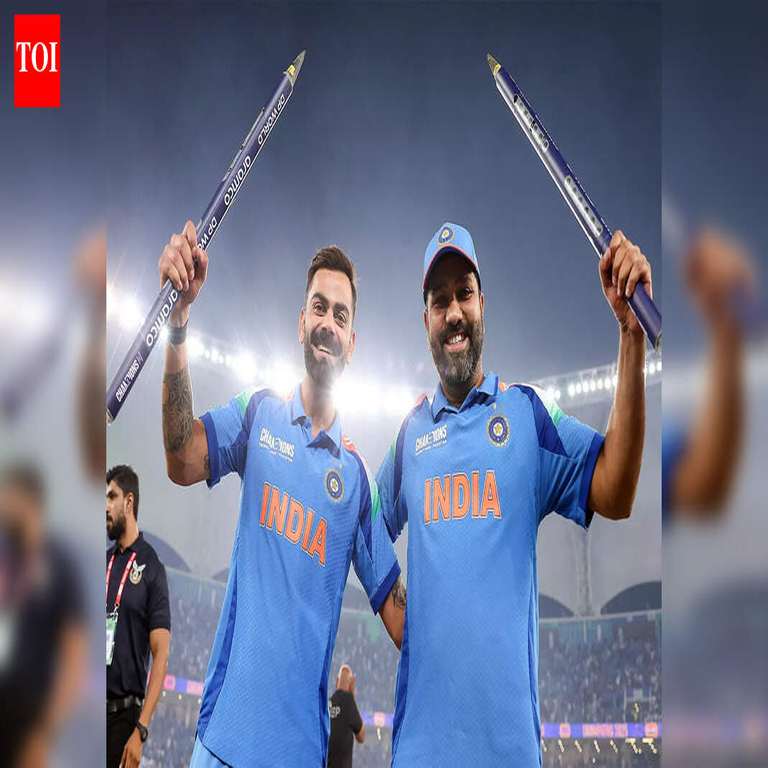
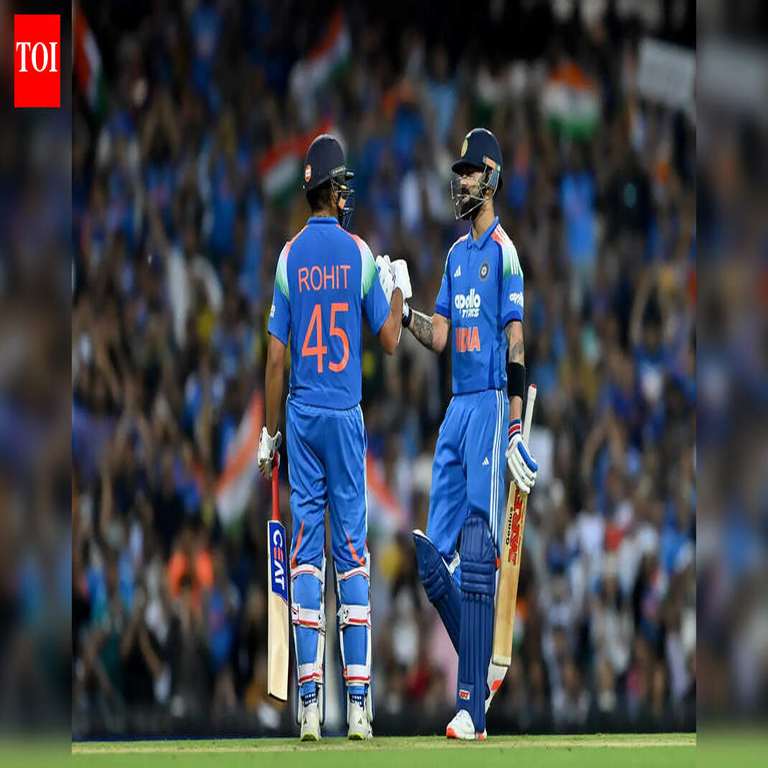
The resurgence of One Day Internationals (ODIs) in the cricketing landscape can be largely attributed to the influence of prominent players like Virat Kohli and Rohit Sharma. Their limited participation in formats other than ODIs has turned each match into a significant event. Recent bilateral series against Australia and South Africa have showcased how their presence can create an electric atmosphere, reminiscent of the excitement during the 2023 ODI World Cup. The challenge for cricket administrators is to leverage this renewed interest effectively.
Irfan Pathan's assertion regarding the need for stronger scheduling reflects a critical understanding of fan engagement dynamics. With Kohli and Sharma stepping back from T20Is and Tests, their appearances in ODIs become less frequent yet more impactful. Pathan's suggestion for longer series or triangular tournaments aims to maximize the engagement that these players generate. This is not merely about quantity; it’s about enhancing the quality of cricketing experiences for fans.
Statistically, the influence of both players is evident in the ICC ODI batting rankings, where Rohit Sharma holds the top position and Virat Kohli closely follows. This dominance underscores their consistency and relevance in the format, indicating that their performances can sway match outcomes considerably. Their presence not only draws crowds but also elevates the competitive nature of the games, making victories more noteworthy.
Kohli and Sharma's commitment to ODIs has also reinforced the format's stature within the cricketing ecosystem. As cricket evolves with emerging formats and changing viewer preferences, the role of marquee players in sustaining interest in traditional formats cannot be overstated. Their selective participation allows them to maintain peak performance levels, which translates into thrilling encounters on the field.
The calls for enhanced scheduling raise important considerations for the future of ODI cricket. With cricketing boards looking to balance traditional formats with the growing T20 leagues, the challenge lies in creating a framework that acknowledges the significance of veteran players while also catering to the development of upcoming talent. The introduction of longer series or multi-team tournaments could provide a platform for these players to shine while also fostering a competitive spirit among emerging cricketers.
So where does that leave things? Kohli and Sharma have not just revitalized interest in ODIs; they have also set a benchmark for how scheduling can influence viewer engagement and match significance. Their performances carry weight, and the strategic decisions around ODI scheduling must evolve to reflect their impact. As the cricketing world looks forward, the emphasis on optimizing formats and player appearances will be crucial for maintaining the relevance of ODIs in a fast-paced sporting environment.
Editor's note: This article was independently written by the Scoopliner Editorial Team using publicly available information.