Hong Kong's Governance Crisis: Local Failures, Global Echoes
हिंदी में सुनें
Listen to this article in Hindi
A localized tragedy in Hong Kong exposes deeper governance issues, with potential ramifications for global perceptions of Chinese administrative control and regional stability.
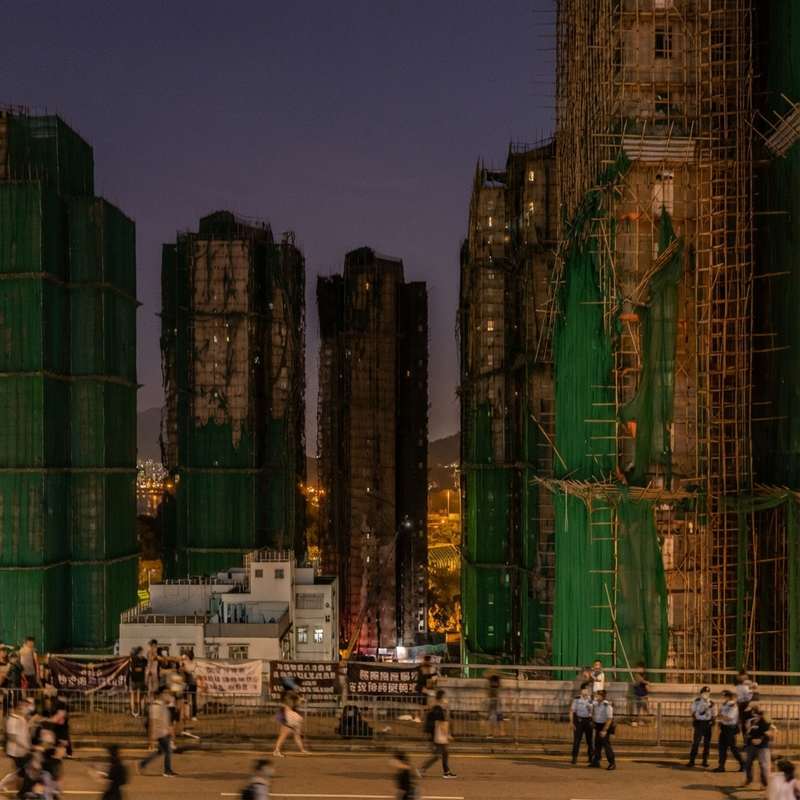
The localized tragedy of a devastating fire in Hong Kong, stemming from alleged corruption and negligence in a renovation project, transcends a simple building safety failure. It exposes a deeper crisis of governance with potential ramifications for regional stability and the global perception of China's administrative control over the special administrative region. While seemingly contained within Hong Kong's urban landscape, such incidents contribute to a broader narrative concerning accountability, transparency, and the rule of law – issues that are increasingly scrutinized in a world grappling with rising geopolitical tensions and competing governance models.
The incident highlights the persistent challenges of integrating Hong Kong's distinct legal and political culture within the framework of mainland China's governance system. The perception of corruption, even if unproven in this specific case, erodes trust in local institutions and fuels anxieties regarding the erosion of Hong Kong’s autonomy – a key element of its unique status and economic vitality. This is particularly sensitive given Hong Kong's historical role as a gateway for foreign investment and a hub for international finance. Diminished confidence in the integrity of local governance can deter foreign capital and impact Hong Kong's competitiveness as a global financial center. Its global position is heavily impacted by its perceived autonomy.
Beyond the immediate economic implications, the incident underscores the social contract between the government and its citizens. When residents feel their concerns are ignored or that their safety is compromised due to alleged malfeasance, it breeds discontent and fuels social unrest. This is particularly acute in a city with a history of pro-democracy movements and ongoing debates about political representation. The inability to effectively address local grievances creates a fertile ground for broader political challenges and undermines the legitimacy of the governing authorities. Events such as this can significantly impact world affairs background.
Furthermore, the global implications extend to the broader narrative of China's governance model. Critics often point to instances of alleged corruption and lack of transparency as inherent weaknesses in the Chinese system. While China has made strides in combating corruption at higher levels, these localized incidents in Hong Kong provide ammunition for those who question the efficacy and accountability of its governance structures. This narrative can be strategically leveraged by competing powers to undermine China's soft power and influence on the global stage.
The incident also raises questions about the effectiveness of regulatory oversight and enforcement mechanisms in Hong Kong. The failure to address residents' concerns regarding safety standards and potential corruption highlights systemic weaknesses that need to be addressed. This requires not only strengthening regulatory frameworks but also fostering a culture of transparency and accountability within local government institutions. Addressing these systemic issues is crucial for restoring public trust and preventing similar tragedies in the future.
That said, the reality is a bit more complicated. effectively addressing these issues is constrained by the complex political landscape in Hong Kong. The influence of pro-Beijing factions within the local government and the diminishing space for dissent create challenges for independent investigations and meaningful reforms. Finding a balance between maintaining stability and upholding principles of good governance will be crucial for ensuring Hong Kong's long-term prosperity and stability. There is also the question of political will, with some observers suggesting Beijing is prioritizing stability over accountability in Hong Kong. This could further erode trust and exacerbate existing tensions.
So where does that leave things? the fire in Hong Kong serves as a stark reminder of the importance of good governance, transparency, and accountability at all levels. While the immediate focus is on addressing the needs of the affected residents and preventing similar incidents, the broader implications extend far beyond Hong Kong's borders. The incident underscores the challenges of integrating different governance models and the potential consequences of failing to address local grievances. Addressing these issues is crucial for maintaining regional stability and upholding the principles of the rule of law in an increasingly complex and interconnected world.
Editor’s note: This article was independently written by the Scoopliner Editorial Team using publicly available information.