Everest: Beyond the Summit, a Story of Risk, Resilience, and Representation
हिंदी में सुनें
Listen to this article in Hindi
Exploring the challenges and rewards of filming on Everest, highlighting the Sherpas' vital role and the personal toll on journalists.
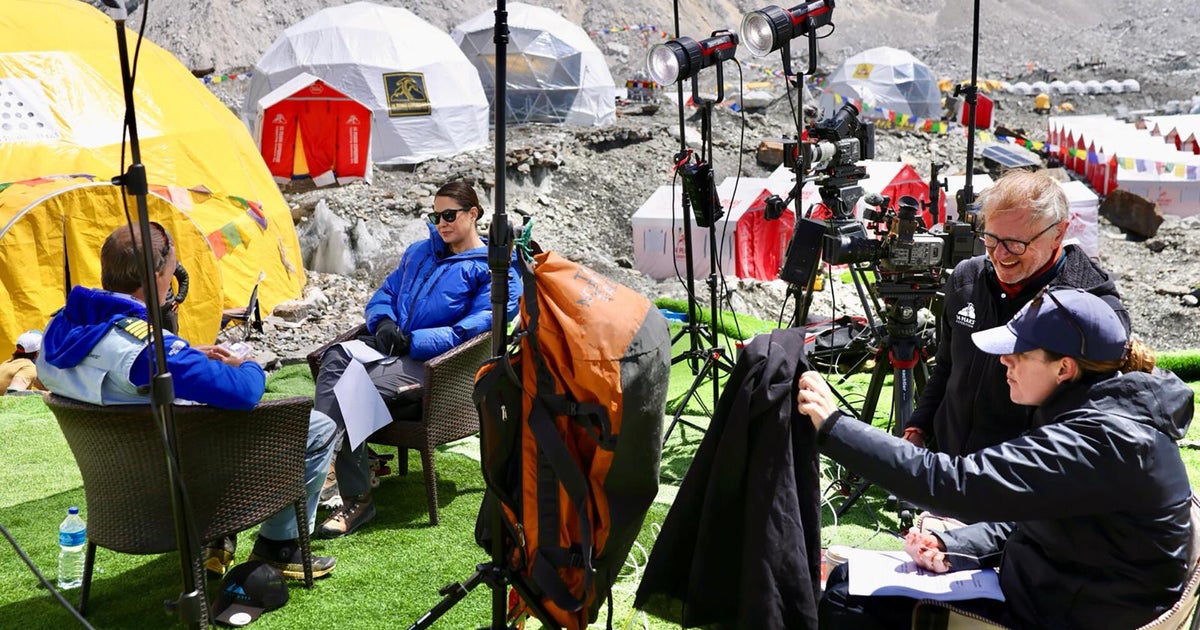
Mount Everest, the world's highest peak, has always held a magnetic pull, not just for mountaineers seeking to conquer its summit, but also for storytellers aiming to capture its majesty and the human drama that unfolds on its slopes. But behind the breathtaking visuals lies a story often untold: the immense logistical and physical challenges of reporting from such an extreme environment, and the critical role of the Sherpa community, who are indispensable to any successful expedition.
Why should the average reader care about the making of a single news segment on Everest? Because it provides a stark microcosm of the increasing demands placed on modern journalism. It's no longer enough to simply report the news; audiences expect immersive experiences, to be transported to the heart of the story. This necessitates a level of risk-taking and physical endurance that pushes journalists beyond their traditional comfort zones.
The ascent to Everest Base Camp is not a casual hike. It’s a grueling test of physical and mental fortitude, demanding months of preparation. The air thins with every step, and the risk of altitude sickness, avalanches, and other unforeseen dangers looms large. The elite team behind the recent 60 Minutes segment understood this intimately, undergoing rigorous training to prepare for the challenge. But even the best preparation can't guarantee immunity to the mountain's harsh realities. This highlights a fundamental truth about reporting from extreme environments: the inherent unpredictability and the constant need to adapt.
Furthermore, this story underscores the ethical considerations involved in such endeavors. Every expedition to Everest has an environmental impact, and the presence of a film crew inevitably adds to this burden. It's crucial to acknowledge and mitigate these effects, ensuring that the pursuit of a compelling story doesn't come at the expense of the delicate Himalayan ecosystem. Sustainable tourism and responsible reporting practices are not just buzzwords; they are essential for preserving the mountain for future generations.
Beyond the environmental concerns, the story also shines a light on the often-overlooked contributions of the Sherpa people. For generations, these skilled mountaineers have been the backbone of Everest expeditions, guiding climbers, carrying equipment, and ensuring the safety of everyone on the mountain. Their expertise is invaluable, yet they often receive inadequate recognition and compensation for their efforts. The segment featuring Nima Rinji Sherpa, the youngest person to summit the world's 14 highest mountains, helps to address this imbalance, giving voice to a community that deserves greater visibility and respect.
That said, the reality is a bit more complicated. it is essential to acknowledge the limitations of this type of coverage. While showcasing the Sherpas' contributions is commendable, there’s a risk of perpetuating stereotypes or reducing them to mere supporting characters in a Western-dominated narrative. Authentic representation requires a deeper engagement with their culture, perspectives, and aspirations, going beyond simply acknowledging their physical prowess. Future reporting should strive to give Sherpas more agency in telling their own stories, rather than simply having their stories told for them.
The economic impact of Everest expeditions is also significant. The mountain is a multi-million dollar industry, attracting climbers from around the world who are willing to pay exorbitant fees for the chance to reach the summit. This influx of money can bring economic benefits to local communities, but it can also exacerbate inequalities and lead to unsustainable practices. A closer examination of the [Indian economy](https://www.example.com/indian-economy) in the Himalayan regions reveals a complex interplay of tourism, development, and environmental concerns, requiring careful management and equitable distribution of resources. Understanding the nuances of [RBI policy](https://www.example.com/rbi-policy) impacts on the region is crucial for sustainable growth.
Ultimately, the story of filming on Everest is a story of human resilience, collaboration, and the enduring power of storytelling. It's a reminder that behind every captivating image, there are countless hours of planning, preparation, and risk-taking. And it's a call to action to ensure that the voices of those who make these stories possible, particularly the Sherpa community, are amplified and respected.