What happens to mayonnaise, creams in space? Astronauts to find out
Researchers studying soft matter on the International Space Station expose how gravity silently influences the stability and transformation of creams, drugs, and gels, offering new insights for material design.
A partnership between researchers at Politecnico di Milano and Universit de Montpellier has delivered a new experimental laboratory to the International Space Station (ISS), aiming to explore the behaviour of soft and complex matter in microgravity.
The COLIS facility, part of the European Space Agency (ESA)'s ‘Colloids in Space’ programme and supported by Italian and French space agencies, is dedicated to uncovering how gravity influences materials in products such as sunscreens, mayonnaise, and pharmaceuticals.
advertisement
Soft matter, including gels and glasses, evolves slowly over time, affecting the shelf life and stability of consumer products. To understand these changes, scientists chose to conduct experiments in near-zero gravity, a move designed to isolate the effect gravity has on the ageing and restructuring of disordered materials.
By observing how materials respond in space, the researchers hope to inform the design of improved formulations.
MORE ABOUT COLIS
COLIS employs advanced tools to observe tiny variations called ‘speckle patterns’ as laser beams pass through test samples. These techniques reveal how the internal structure of gels and colloidal glass transforms, while controlled thermal stimulation allows researchers to trigger and monitor the materials’ ageing in a reproducible way.
Luca Cipelletti, from Universit de Montpellier, reflects on the project’s legacy: “COLIS is the culmination of more than 25 years’ work with the Politecnico di Milano. Bringing soft matter physics to the ISS is a technological and scientific step that opens up new frontiers when it comes to studying disordered matter.”
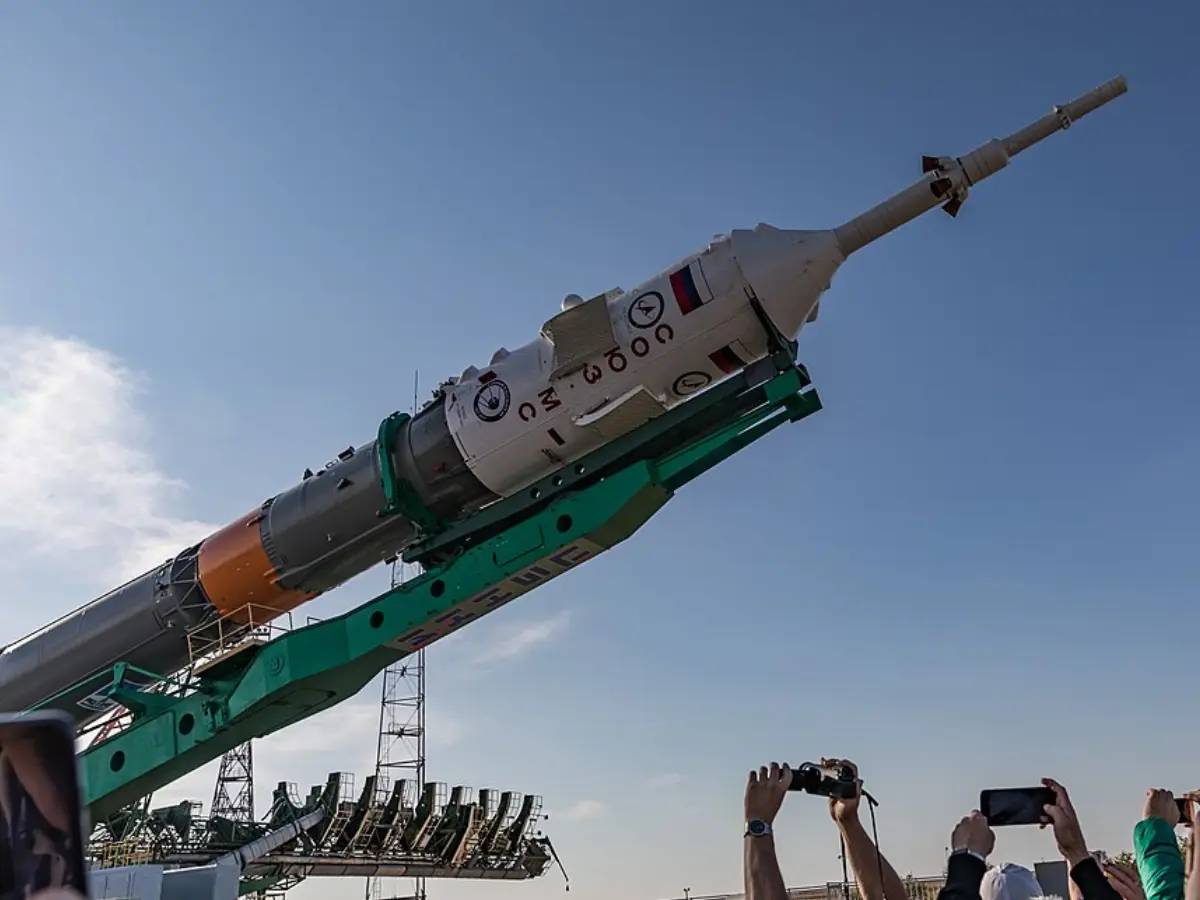
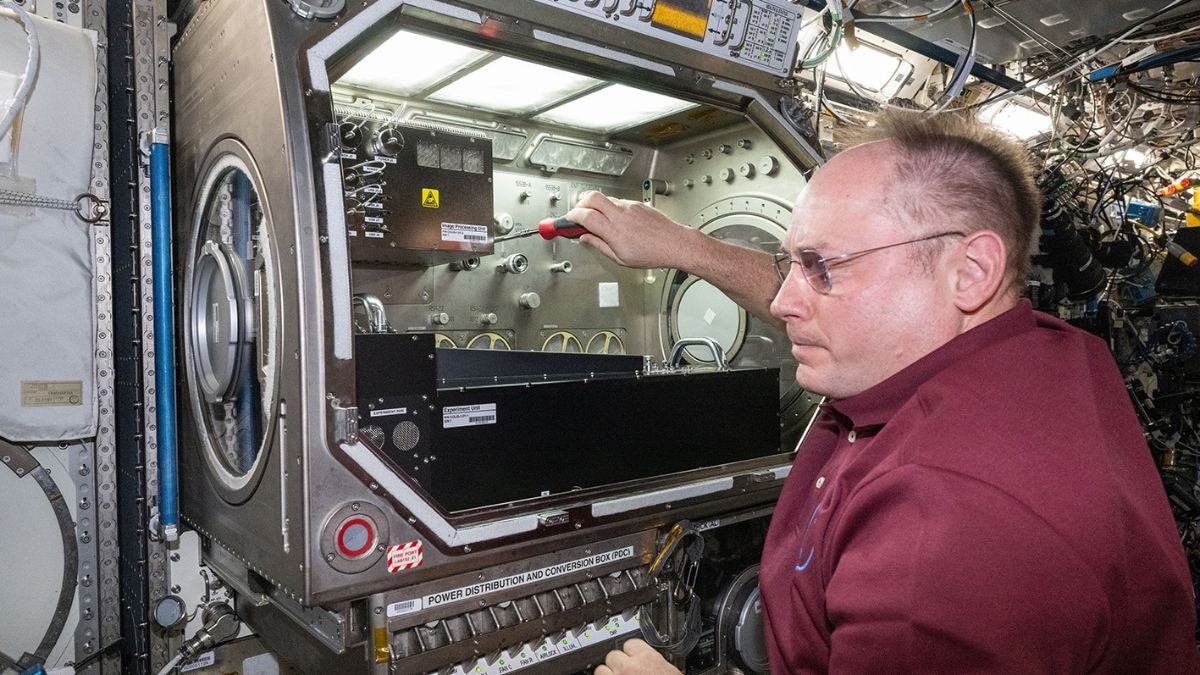
The COLIS facility was designed by scientists, constructed by Redwire Space, and delivered to the ISS by NASA’s Cygnus NG-21 freighter. It is now operational, analysing samples of gels and glasses composed of colloidal nanoparticles, ideal for investigating changes in structure and properties over time.
Initial results from COLIS have shown that gravity has a greater influence on soft matter than previously thought, affecting material properties in the long term.
Piazza concludes, “It’s amazing to see how much gravity, so familiar in our daily lives, acts behind the scenes to shape the materials we use every day. These observations help us understand and improve the behaviour of matter over time – a goal that directly affects the quality of life on Earth.”
- Ends