Uber's Background Check Failures Highlight Tech's Accountability Problem
हिंदी में सुनें
Listen to this article in Hindi
A NY Times report reveals Uber's deficient background checks, allowing violent felons to drive. This raises concerns about tech companies prioritizing profit over safety.
A scathing New York Times report has ignited a fresh wave of scrutiny against Uber, revealing that the ride-hailing giant's background check system has significant flaws, potentially putting passengers at risk. Consumer Watchdog, a nonprofit advocacy group, is now urging users to switch to Lyft, citing Uber's prioritization of profits over passenger safety.
The Times investigation, published in late December 2025, found that Uber's background checks allowed individuals with convictions for serious crimes, including child abuse, assault, and stalking, to become drivers. The critical loophole? Uber only disqualifies drivers if the conviction occurred within the past seven years. Lyft, in contrast, reportedly bans drivers with violent felony convictions regardless of when they occurred.
The report further alleges that Uber was aware of these shortcomings but chose not to address them adequately, prioritizing speed and cost savings over enhanced safety measures. Jill Hazelbaker, a former Uber chief marketing director, reportedly called the decision not to implement better background checks "indefensible."
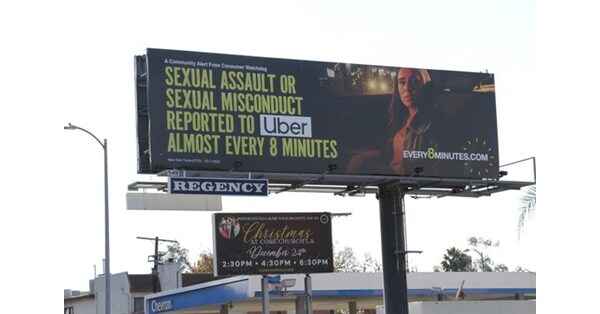
These revelations are particularly troubling given previous reports of safety issues within the Uber ecosystem. A previous New York Times investigation earlier in 2025 found that Uber received a report of sexual assault or sexual misconduct in the United States almost every eight minutes on average. While Uber has reportedly studied the problem, the company has been hesitant to implement solutions like better driver training or in-car cameras, fearing it could lead to drivers being classified as employees rather than independent contractors.
The core issue lies in the 'gig economy' business model that Uber and many other tech companies employ. By classifying workers as independent contractors, companies avoid providing benefits, protections, and oversight that employees typically receive. This model has faced increasing criticism for potentially incentivizing companies to cut corners on safety and security in the pursuit of profit and rapid growth.
Consumer Watchdog president Jamie Court has been particularly vocal, stating that "Passengers cannot trust Uber to adequately screen its drivers," and that the company "puts its profits above the safety of its passengers." The organization has even sponsored billboards across California warning the public about Uber's failure to address sexual assault and misconduct claims.
This incident underscores a broader trend in the technology industry: the tension between innovation, rapid scaling, and responsible corporate citizenship. While technology offers immense potential for convenience and progress, it also carries the risk of unintended consequences if safety and ethical considerations are not prioritized. As users become increasingly aware of these risks, companies like Uber will face growing pressure to prioritize user safety and well-being over short-term financial gains. The long-term implications could include stricter regulations, greater legal liabilities, and a shift in consumer preferences towards companies with a stronger commitment to safety and ethical practices.
Editor’s note: This article was independently written by the Scoopliner Editorial Team using publicly available information.