Russia's Purge of Ultranationalists: Consolidating Power Amidst Protracted Conflict
हिंदी में सुनें
Listen to this article in Hindi
Moscow's elimination of figures like Stanislav Orlov signals a broader effort to reassert control over paramilitary groups and suppress dissent as the war in Ukraine continues.
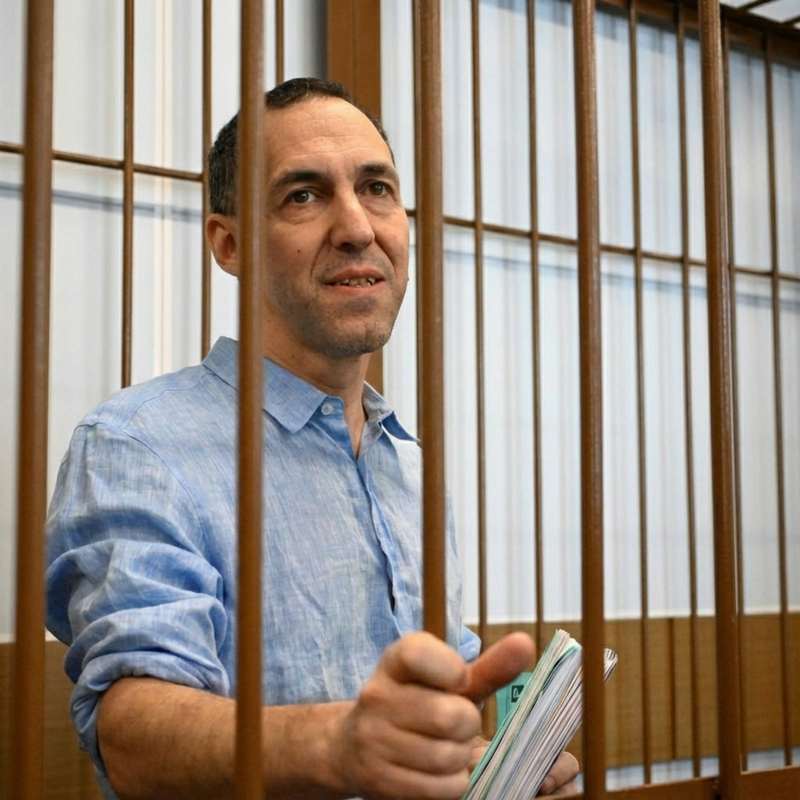
The ongoing conflict in Ukraine has exposed vulnerabilities within Russia's power structure, leading to a renewed emphasis on consolidating authority and suppressing potential challenges to the Kremlin's dominance. The death of Stanislav Orlov, leader of the far-right Española unit, is indicative of a broader trend: the systematic dismantling of semi-autonomous armed groups and the silencing of ultranationalist voices that once served as vital components of Russia's war effort. This strategic shift reflects Moscow's determination to maintain control amidst the uncertainties of a protracted conflict and the potential for internal instability.
The Kremlin's initial embrace of radical formations like Española was a pragmatic calculation. These groups provided a readily available pool of fighters and propagated a fervent brand of patriotism that resonated with certain segments of Russian society. That said, the reality is a bit more complicated. the Wagner Group's mutiny in June 2023 exposed the inherent risks of allowing independent armed actors to operate outside the direct chain of command. The mutiny underscored the potential for these groups to become instruments of internal dissent, challenging the Kremlin's authority and destabilizing the political landscape. The incident prompted Moscow to reassess its reliance on paramilitary forces and initiate a comprehensive effort to reassert control over the security apparatus.
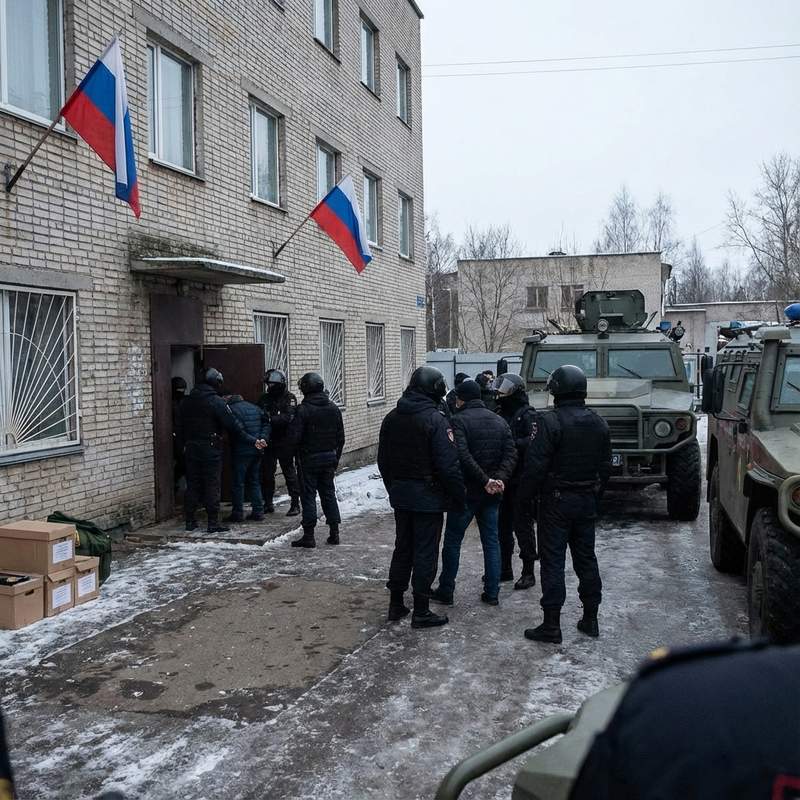
The crackdown on ultranationalists serves multiple strategic objectives. First, it eliminates potential sources of internal opposition. By silencing prominent critics and dismantling independent armed groups, the Kremlin aims to prevent the emergence of alternative power centers that could challenge its authority. Second, it streamlines the command structure and ensures that all military and security forces are directly accountable to the state. This is particularly important in the context of the war in Ukraine, where coordination and unity of purpose are essential for achieving strategic objectives. Third, it sends a clear message to other potential challengers: any attempt to deviate from the Kremlin's agenda will be met with swift and decisive action. This serves as a deterrent, discouraging others from pursuing independent paths or questioning the official narrative.
The suppression of ultranationalist elements also has implications for Russia's international relations. While these groups initially served as a tool for projecting Russian power and influence, their extremist ideologies and violent actions have damaged Russia's reputation and fueled international condemnation. By cracking down on these groups, the Kremlin may be attempting to mitigate some of the reputational damage and improve its standing on the global stage. That said, the reality is a bit more complicated. this effort is complicated by the fact that the ultranationalists represent a significant constituency within Russia, and alienating them entirely could create new challenges for the Kremlin. The balance between consolidating power and maintaining domestic support will be a delicate one for Moscow to navigate.
The future trajectory of Russia's relationship with ultranationalist groups remains uncertain. While the Kremlin has clearly demonstrated its willingness to suppress dissent and dismantle independent armed formations, it may also seek to co-opt certain elements of the ultranationalist movement and integrate them into the regular military or other state-controlled institutions. This would allow Moscow to harness the energy and patriotism of these groups while ensuring that they remain firmly under its control. The long-term success of this strategy will depend on the Kremlin's ability to manage the competing interests and ideologies within the ultranationalist movement and to maintain a credible narrative that resonates with both domestic and international audiences.
The Kremlin's actions reflect a broader pattern of authoritarian consolidation, a trend observed in various geopolitical contexts. [World affairs background] Much like other regimes facing internal or external pressures, Moscow is prioritizing stability and control over political pluralism and individual liberties. This approach may be effective in the short term, but it also carries the risk of stifling innovation and undermining the long-term legitimacy of the regime. The ongoing conflict in Ukraine has created a volatile and unpredictable environment, and the Kremlin's efforts to consolidate power are likely to continue as long as the conflict persists. As Russia navigates this complex landscape, its actions will have far-reaching implications for the future of the region and the global balance of power. The recent moves by the Kremlin have also begun to indirectly affect [India’s global position], forcing New Delhi to reassess its strategic partnerships.
Ultimately, the death of Stanislav Orlov and the broader crackdown on ultranationalists highlight the challenges of maintaining control in a wartime environment. The Kremlin's actions reflect a pragmatic calculation, aimed at eliminating potential sources of internal opposition and ensuring the unity of command. That said, the reality is a bit more complicated. they also underscore the risks of relying on extremist ideologies and independent armed actors as instruments of state policy. As the conflict in Ukraine continues, Moscow will need to carefully balance the competing demands of security, stability, and legitimacy to maintain its grip on power. Readers who want to understand the [topic basics] should look at the initial stages of the conflict.
Editor’s note: This article was independently written by the Scoopliner Editorial Team using publicly available information.