Want your brain to age more slowly? Do this to keep it healthy
हिंदी में सुनें
Listen to this article in Hindi
A new study reveals strength training and muscle mass can slow brain aging, while hidden abdominal fat accelerates it. Learn how to keep your brain healthy.
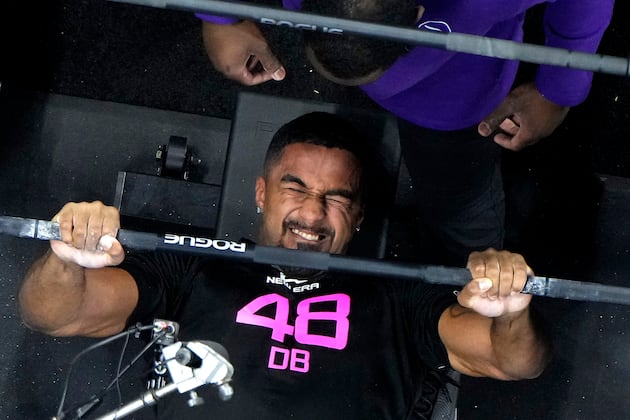
Lifting weights could be key to a younger, healthier brain, according to new research. A study presented at the Radiological Society of North America's annual meeting highlights the importance of strength training for brain health, suggesting that building muscle mass can protect the brain and slow down its aging process. The research also points to hidden abdominal fat as a factor that can speed up brain aging.
Dr. Cyrus Raji, the study's senior author and an associate professor of radiology and neurology at Washington University School of Medicine in St. Louis, Missouri, emphasized the connection between physical and cognitive well-being. "Healthier bodies with more muscle mass and less hidden belly fat are more likely to have healthier, youthful brains," he stated in a news release. He added that improved brain health reduces the risk of future brain diseases like Alzheimer's.
The study acknowledges that as people age, they typically lose muscle mass and accumulate hidden belly fat. That said, the reality is a bit more complicated. the findings demonstrate that these factors directly impact brain health and that positive changes are achievable.
**How the Study Was Conducted**
Researchers utilized full-body magnetic resonance imaging (MRI) to analyze fat, muscle, and brain tissue in 1,164 healthy adults across four locations. They measured fat and muscle quantities and used the brain's structure to estimate its biological age. The participants' average age was just over 55, and slightly more than half were women.
An artificial intelligence (AI) algorithm assessed total normalized muscle volume, hidden belly fat (visceral fat), fat under the skin (subcutaneous fat), and predicted brain age based on the MRI scans. The results indicated that individuals with a higher ratio of visceral fat to muscle mass tended to have older-appearing brains. Notably, the amount of subcutaneous fat did not significantly correlate with brain age.
**Earlier Research Supports the Findings**
Similar findings emerged from a smaller Brazilian study in April, which focused on brain protection against dementia. The study, conducted by researchers at the State University of Campinas, followed 44 adults with cognitive impairment. Those who engaged in strength training for six months experienced improvements in memory and brain anatomy, while those who did not lift weights showed decline. The results were published in the journal GeroScience.
**Taking Action**
According to Dr. Raji, individuals can actively influence their brain health by building muscle and reducing hidden belly fat – goals he describes as "realistic and actionable." He also suggested that whole-body MRI and AI-generated brain age estimates can serve as valuable benchmarks for developing targeted interventions to reduce visceral fat and increase muscle mass.
The research reinforces the established link between physical and brain health, demonstrating their direct impact on each other.
Dr. Raji stated that this research confirms existing theories regarding the connection between body composition and brain health. It also provides a basis for incorporating these biomarkers into future studies involving metabolic interventions and treatments.
**The Role of Weight-Loss Drugs**
The university's press release also addressed the potential role of weight-loss drugs in relation to the study's findings. The impact appears to be complex.
Commonly prescribed glucagon-like peptide-1 (GLP-1) medications like Ozempic are effective at reducing body fat but may also lead to muscle loss. Dr. Raji suggested the study's results could inform the development of next-generation therapies that prioritize visceral fat reduction while preserving muscle mass.
The researchers hope their findings will contribute to new weight-loss strategies that prioritize targeting hidden body fat and increasing muscle volume to promote brain health.