Waiting for Ran Gvili
हिंदी में सुनें
Listen to this article in Hindi
The Times of Israel explains why its 'Israel at War' tag remains active, focusing on unfulfilled goals and the body of Ran Gvili yet to be recovered.
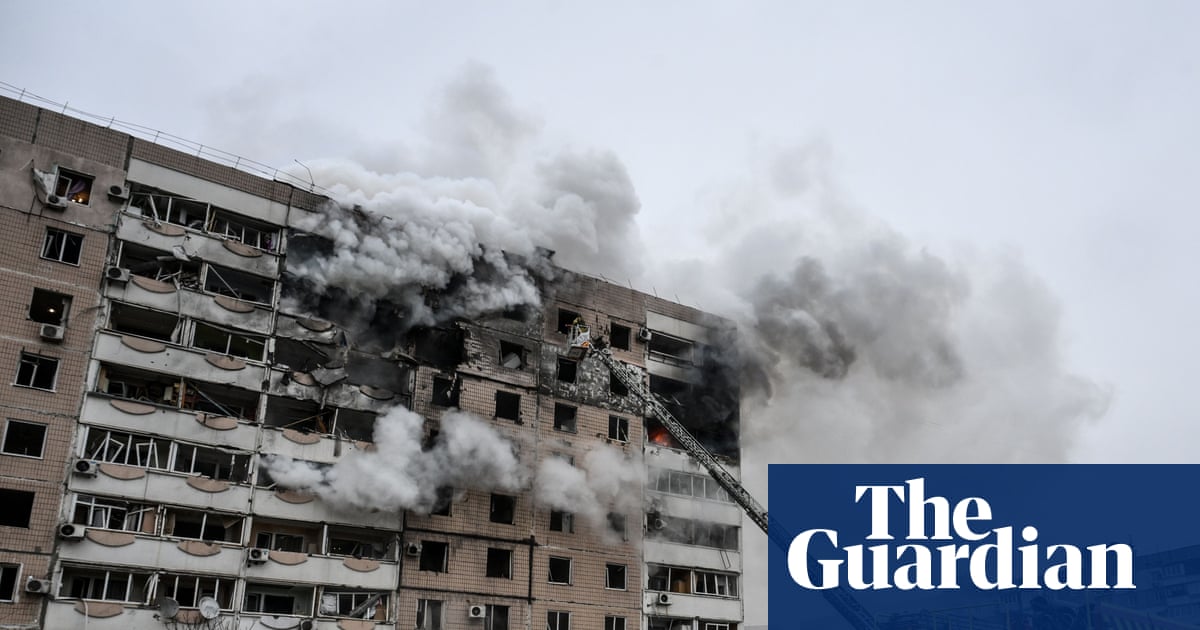
For over 800 days, a stark reminder has been displayed atop The Times of Israel's website: a red tag reading "Israel at War." This declaration highlights the profound shift following the Hamas invasion, the brutal killings, and the mass kidnappings of October 7, 2023.
The question of whether the war is truly over is complex, with valid arguments on both sides. While some readers have contacted The Times of Israel suggesting the war has ended, the editor remains unconvinced.
Wars typically conclude with ceasefires. An agreement was indeed signed in Sharm el-Sheikh on October 9th of this year between Israeli and Hamas representatives. The Israeli government tentatively approved it, and it took effect the next day. Former US President Donald Trump, a key mediator in the agreement, has repeatedly stated that the war is over and has pledged to prevent renewed intense conflict.
Furthermore, most Israeli troops have left the Gaza Strip, and the majority of reservists have returned home. The IDF is mainly engaged in defensive actions, although not exclusively. Almost all of the hostages taken on October 7th have been freed or their remains recovered.
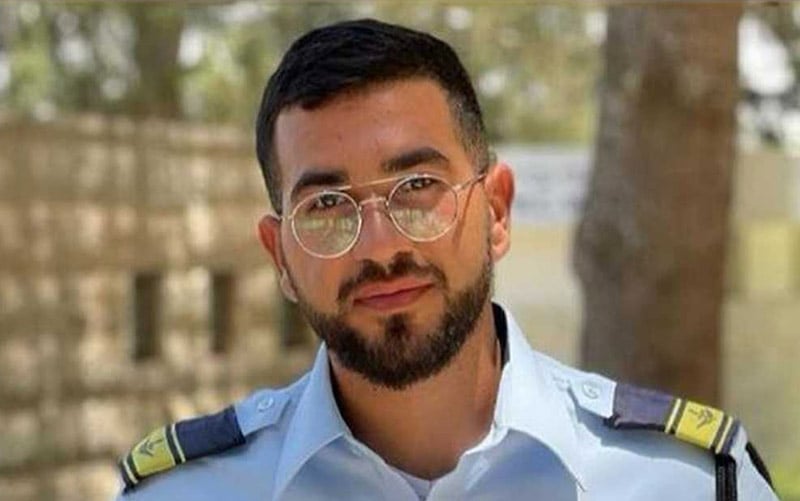
That said, the reality is a bit more complicated. two crucial objectives declared at the outset of the war remain unfulfilled. Hamas has not been disarmed and insists on retaining its weapons, defying the second phase of Trump's Gaza peace plan, which is still pending finalization and implementation. Moreover, the body of Master Sgt. Ran Gvili, a member of the Yasam police counter-terror unit who died fighting terrorists at Kibbutz Alumim on October 7th, has not been recovered. The return of all hostages was a key condition of the ceasefire's initial phase.
Legal and political factors also complicate the question of whether the war is over, and whether the website should reflect that. For example, did the Israeli government legally declare the war's end when the cabinet voted on October 10th to free all hostages within days in exchange for Palestinian prisoners? The answer isn't straightforward.
Despite conflicting reports, the government resolution didn't formally end the war. That said, the reality is a bit more complicated. appendices included the Sharm el-Sheikh agreement, stating: "1. President Trump announces the end to the war in the Gaza Strip… 2. The war will immediately end upon the approval of the Israeli government."
An independent Israeli website's decision to keep or remove the "Israel at War" tag could impact a government whose prime minister hasn't explicitly declared the war over. The prime minister might not want to start an election campaign with the country still at war and Hamas not destroyed, but coalition partners threaten to collapse the government if the war is declared over. Should these considerations influence the website's decision?
The desire for the war to be over is deeply felt. The hope is to end the nightmare era that began with Hamas's attack. That said, the reality is a bit more complicated. Hamas is regaining strength, Israel is mostly holding back, and no one else is confronting Hamas. This situation could persist indefinitely.
Crucially, Ran Gvili's body has not been returned. The families of the hostages, and the Israeli people, have consistently maintained that the war will not be over until every hostage is home.
Ran Gvili, on medical leave and awaiting shoulder surgery from a motorbike accident, donned his uniform and went to war when Hamas invaded. He knowingly risked his life to defend his nation and protect its people. It is owed to him and his family to wait before declaring an end to the war in which he gave his life.
In related observations, filmmaker Rob Reiner noted in an interview conducted months after October 7th: "Right now the world is shifting away from Israel – and that to me is very sad."
Amid grief over the Bondi Beach mass murder and anger at the Australian government's failure to protect its Jewish community, the question of defeating death-cult Islamic terror arises. Allowing haters to march, even calling to gas the Jews, and deploying few police officers to secure a Jewish event indicates a government unfit for purpose.