India's Test Team in Turmoil: Gambhir's Leadership Under Scrutiny Amid Whitewash
हिंदी में सुनें
Listen to this article in Hindi
India's Test team struggles under Gautam Gambhir raise questions about leadership after consecutive whitewashes. What does this mean for the future?
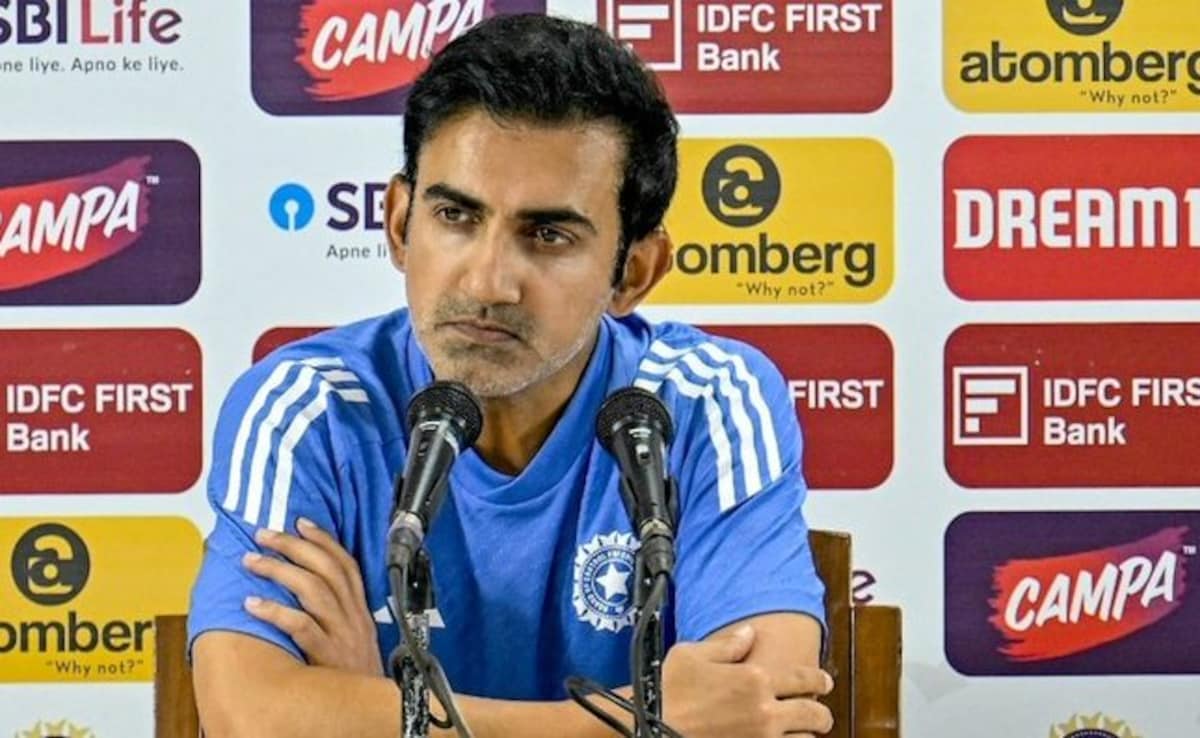
The recent denial from BCCI secretary Devajit Saikia regarding VVS Laxman being approached as the next head coach for the Indian men's Test cricket team highlights the ongoing instability within the team's leadership structure. Speculation surrounding Laxman's potential appointment arose following India's dismal performance in Test matches, specifically the recent 0-2 whitewash against South Africa, which marked the second consecutive year the team has faced a similar fate under Gautam Gambhir's guidance. This performance trend raises critical questions about the effectiveness of the current coaching regime in the longest format of the game.
Historically, the Indian Test team has been a stronghold, characterized by formidable leadership from figures like MS Dhoni, Virat Kohli, and Rohit Sharma, who maintained a robust record at home. That said, the reality is a bit more complicated. Gambhir's tenure has begun to unravel that legacy, with the team suffering a significant defeat to New Zealand last year and now, South Africa. Notably, these losses not only reflect poorly on the team's current capabilities but also jeopardize their chances for future success in the ICC World Test Championship.
The BCCI's clear statement that no changes are being contemplated suggests a desire for stability, but it concurrently ignores the pressing reality of the team's declining performance. The whitewash against South Africa has compounded the concerns regarding Gambhir's coaching effectiveness, especially given the significant implications for India's standings in the World Test Championship. With another setback, the specter of missing out on the 2025 final looms larger, depending on forthcoming results.
While Gambhir has successfully led the Indian limited-overs team to victories in the ICC Champions Trophy and Asia Cup, the stark contrast in performance between formats raises the question of whether his coaching style is adaptable across different formats. The inability to translate success in T20 and ODI formats to Test cricket could indicate a deeper issue within the team's strategy and preparation.
The media’s speculation regarding Laxman’s potential role signals a growing frustration among fans and analysts alike, reflecting a yearning for a return to the successful strategies of the past. That said, the reality is a bit more complicated. Saikia’s denial emphasizes that any changes in leadership will not be hastily made, which could both stabilize the current setup while also heightening tensions if further failures occur.
As the Indian Test team looks ahead, the urgency for strategic reassessment becomes paramount. The combination of recent failures and the lack of clarity in leadership roles could result in a long-term impact on team morale and performance. The BCCI’s commitment to maintaining the current leadership structure will be tested in the coming months as they navigate a crucial phase in the World Test Championship cycle.
In summary, the denial of Laxman's appointment does not erase the pressing need for the BCCI to evaluate the effectiveness of its current coaching strategies and leadership in Test cricket. The future of the team hinges on its ability to adapt and evolve, or risk falling further behind in the competitive landscape of international cricket.
Editor’s note: This article was independently written by the Scoopliner Editorial Team using publicly available information.