Navigating Early Development: The Importance of Puppyhood Learning
हिंदी में सुनें
Listen to this article in Hindi
गति:
Exploring how early puppyhood experiences reflect broader public health themes in animal care and human-animal relationships.
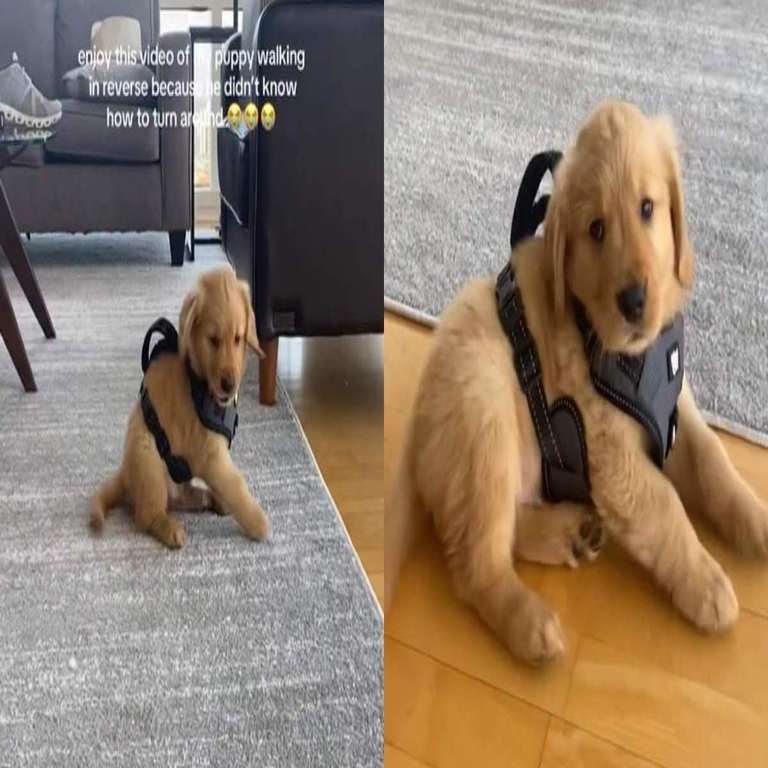
The heartwarming video of Pilot, a Golden Retriever puppy, inadvertently walking in reverse serves as an engaging reminder of the developmental stages animals undergo during early life. These moments of clumsy exploration not only bring joy to pet owners but also hold significant implications for public health and the understanding of human-animal relationships.
Early Development and Its Lessons Puppies, like many young animals, experience a phase characterized by trial and error as they learn to navigate their bodies and environments. This phase is crucial, not only for the animals themselves but also in shaping the dynamics of their interactions with humans. Understanding this developmental process can influence how pet owners approach training, socialization, and overall care for their pets.
The Role of Observation in Learning As evidenced by the reactions to Pilot's video, many pet owners resonate with the challenges of early puppyhood. The humor derived from Pilot's attempts to backtrack rather than turn around speaks to a broader principle of learning through observation and experience. Observing such behaviors can encourage pet owners to be more patient and understanding, which could lead to better training outcomes and stronger bonds between pets and their owners.
Public Health and Animal Welfare The relationship between humans and animals is increasingly recognized as a factor in public health. Pets can provide emotional support, reduce stress, and even improve physical health through increased activity levels. Understanding the developmental stages of animals can inform policies that promote animal welfare, which in turn enhances the benefits pets provide to their owners and communities.
Social Media's Role in Awareness The viral nature of Pilot's video highlights the power of social media in raising awareness about animal behavior and development. As more people engage with content that showcases the humorous yet relatable challenges of pet ownership, there is potential for increased public interest in responsible pet care and training practices. This could lead to a more informed public that prioritizes the well-being of animals.
Limitations and Unknowns While the joyful moments of puppyhood capture public attention, it is essential to recognize the limits of such representations. Not all animals experience the same developmental milestones at the same pace, and factors such as breed, environment, and upbringing can significantly influence their growth. More research is needed to understand these variables and their implications for animal behavior and training.
Implications for Policy and Education Awareness about puppy development can also extend to policy implications. Governments and organizations advocating for animal welfare may benefit from integrating educational programs that emphasize proper training and socialization techniques based on developmental stages. This could lead to a decrease in behavioral issues among pets and improve the overall health of both animals and their owners.
Conclusion The charming antics of a puppy like Pilot encapsulate a broader narrative about growth, learning, and the importance of nurturing relationships between humans and animals. By examining these moments through a public health lens, we can foster a deeper understanding of the significance of early development in pets and the potential benefits this holds for society at large.
Editor's note: This article was independently written by the Scoopliner Editorial Team using publicly available information.
Based on information from :
DogTime
•
03 Jan 2026, 01:00 AM IST