Celestial Debris and Atmospheric Fireworks: Understanding the Science Behind the Ursid Meteor Shower
हिंदी में सुनें
Listen to this article in Hindi
An in-depth look at the Ursid meteor shower, explaining the science of comet debris, atmospheric entry, and optimal viewing conditions for this annual event.
As the year draws to a close, skywatchers in the Northern Hemisphere have the opportunity to witness the annual Ursid meteor shower. While not as prolific as other showers like the Perseids or Geminids, the Ursids offer a fascinating glimpse into the dynamic processes occurring within our solar system and the interaction of celestial debris with Earth's atmosphere. This shower presents a valuable opportunity to understand the fundamental science behind meteor showers in general, going beyond simply spotting 'shooting stars.'
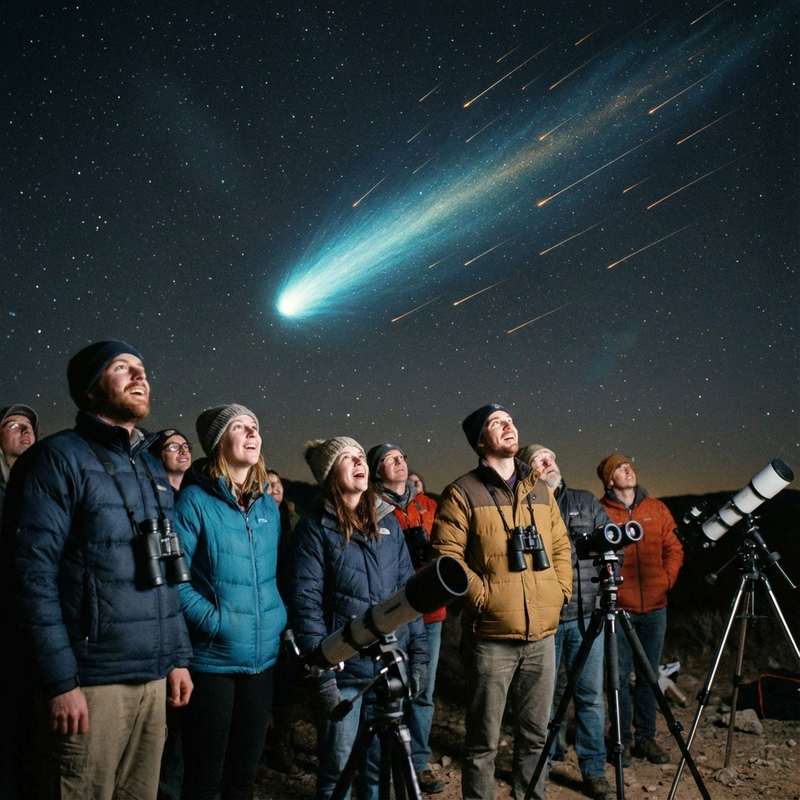
At its core, a meteor shower is a consequence of Earth's orbital path intersecting with a stream of debris left behind by a comet or, less frequently, an asteroid. These icy bodies, as they journey through the solar system, shed dust and small rocky particles. This material continues along a similar orbital path to the parent comet, creating a 'river' of debris in space. When Earth crosses this river, these particles, ranging in size from grains of sand to pebbles, enter our atmosphere at tremendous speeds – often tens of kilometers per second.
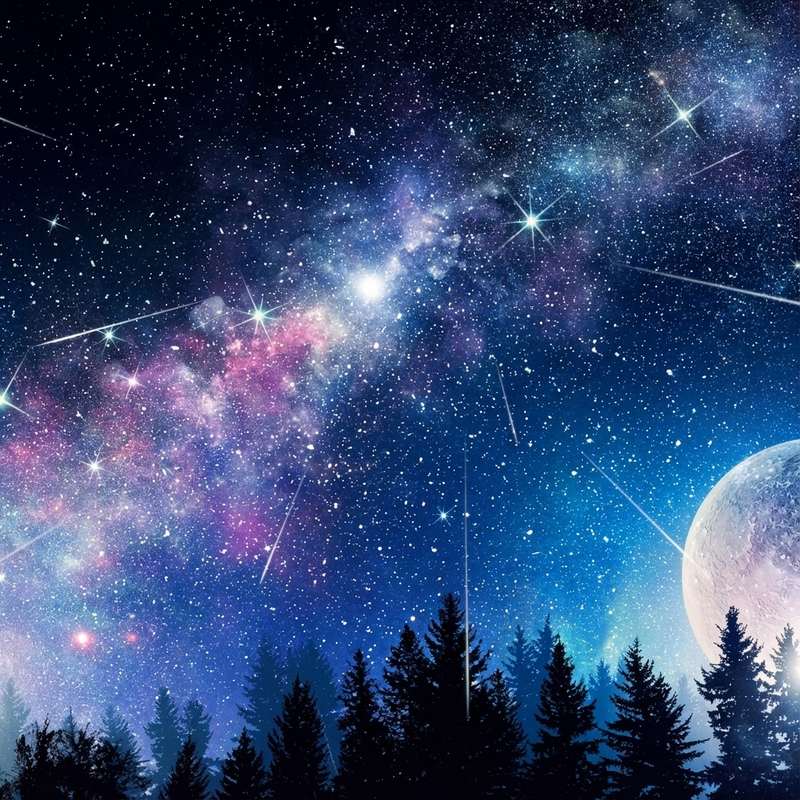
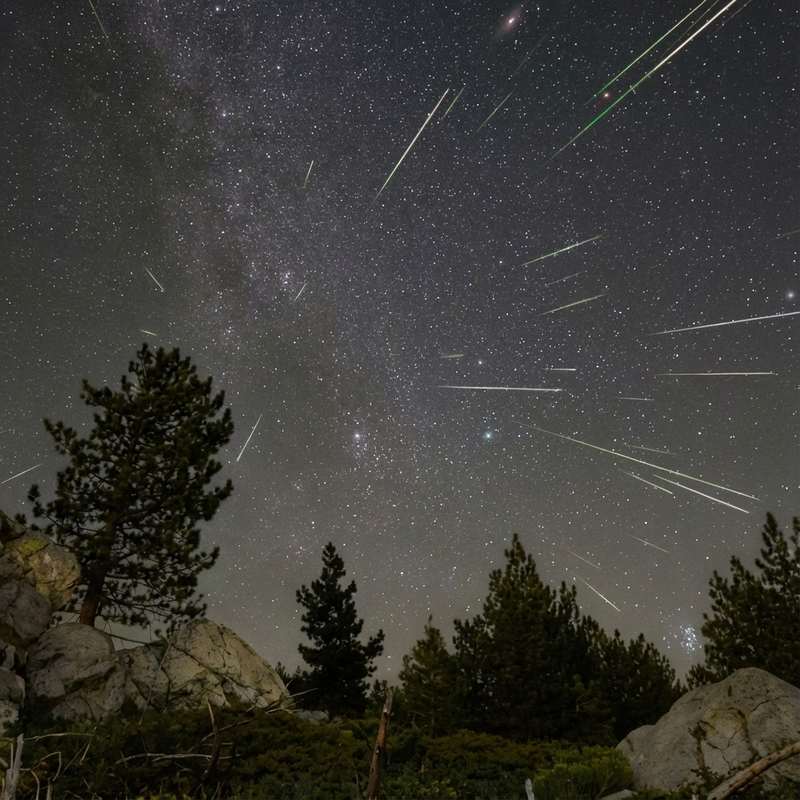
The spectacle we observe as a meteor shower is the result of this high-speed entry. The extreme friction between the particles and the air molecules causes the particles to heat up intensely. This intense heat vaporizes the meteoroid and ionizes the surrounding air, creating a column of glowing plasma that we perceive as a meteor, also commonly referred to as a 'shooting star.' The color of the meteor often depends on the chemical composition of the particle and the atmospheric gases it interacts with. For example, sodium produces a characteristic yellow-orange glow.
The Ursid meteor shower is associated with the comet 8P/Tuttle. The radiant, the point in the sky from which the meteors appear to originate, lies in the constellation Ursa Minor, the Little Dipper – hence the name 'Ursid.' While the meteors appear to come from this radiant, they can actually be seen anywhere in the night sky. Locating the radiant can help confirm that what you are seeing is indeed an Ursid meteor, rather than a sporadic meteor, which occurs randomly throughout the year. [Internal link: Science basics explainer].
This year's Ursid shower is predicted to peak around December 22nd. Under ideal conditions, observers might see 5 to 10 meteors per hour, with the possibility of brief surges. The visibility of any meteor shower is highly dependent on several factors. Light pollution from urban areas significantly reduces the number of meteors visible. The presence of moonlight can also wash out fainter meteors, making them difficult to see. Fortunately, this year, the thin crescent moon should provide minimal interference, increasing the chances of a good viewing experience.
Astronomer Peter Brown emphasizes the importance of dark skies for optimal viewing. This highlights a crucial aspect of astronomical observation: minimizing external factors that can obscure faint celestial objects. Choosing a location far from city lights and allowing ample time for your eyes to adjust to the darkness (around 20-30 minutes) are essential for maximizing meteor visibility. Refraining from using electronic devices like mobile phones, which emit bright light, is also crucial, as it can disrupt dark adaptation.
The study of meteor showers like the Ursids contributes to our broader understanding of the solar system's composition and the distribution of cometary debris. [Internal link: Related field context]. By analyzing the trajectories and speeds of meteors, scientists can infer information about the orbits and origins of their parent comets. Furthermore, the interaction of meteoroids with Earth's atmosphere provides valuable insights into atmospheric physics and chemistry.
While the Ursid meteor shower is a predictable annual event, the exact number of meteors observed can vary from year to year. This variability is due to the uneven distribution of debris within the cometary stream. Furthermore, our understanding of the precise structure of these debris streams is still incomplete, leading to uncertainties in predicting the intensity of future showers. [Internal link: Prior research background].
So where does that leave things? the Ursid meteor shower offers a chance to witness a fascinating astronomical phenomenon. While not the most spectacular shower, it provides a tangible connection to the dynamic processes occurring within our solar system. Understanding the science behind meteor showers, from the origin of cometary debris to the physics of atmospheric entry, enriches the viewing experience and underscores the importance of continued astronomical observation.
Editor’s note: This article was independently written by the Scoopliner Editorial Team using publicly available information.