Geopolitical Shifts and Sovereignty: Israel's Recognition of Somaliland
हिंदी में सुनें
Listen to this article in Hindi
Israel's recognition of Somaliland raises questions about sovereignty, regional stability, and global diplomatic alignments.
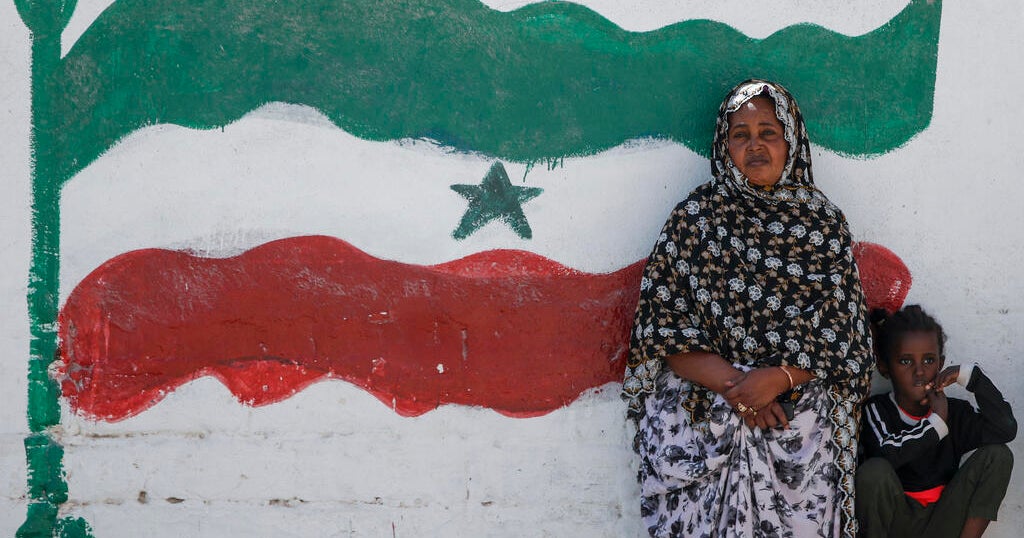
The recent recognition of Somaliland by Israel has triggered a complex geopolitical response, highlighting the intricate web of territorial disputes, regional alliances, and international diplomacy. This development is particularly significant as it underscores ongoing tensions in the Horn of Africa, a region already marked by historical grievances and geopolitical interests.
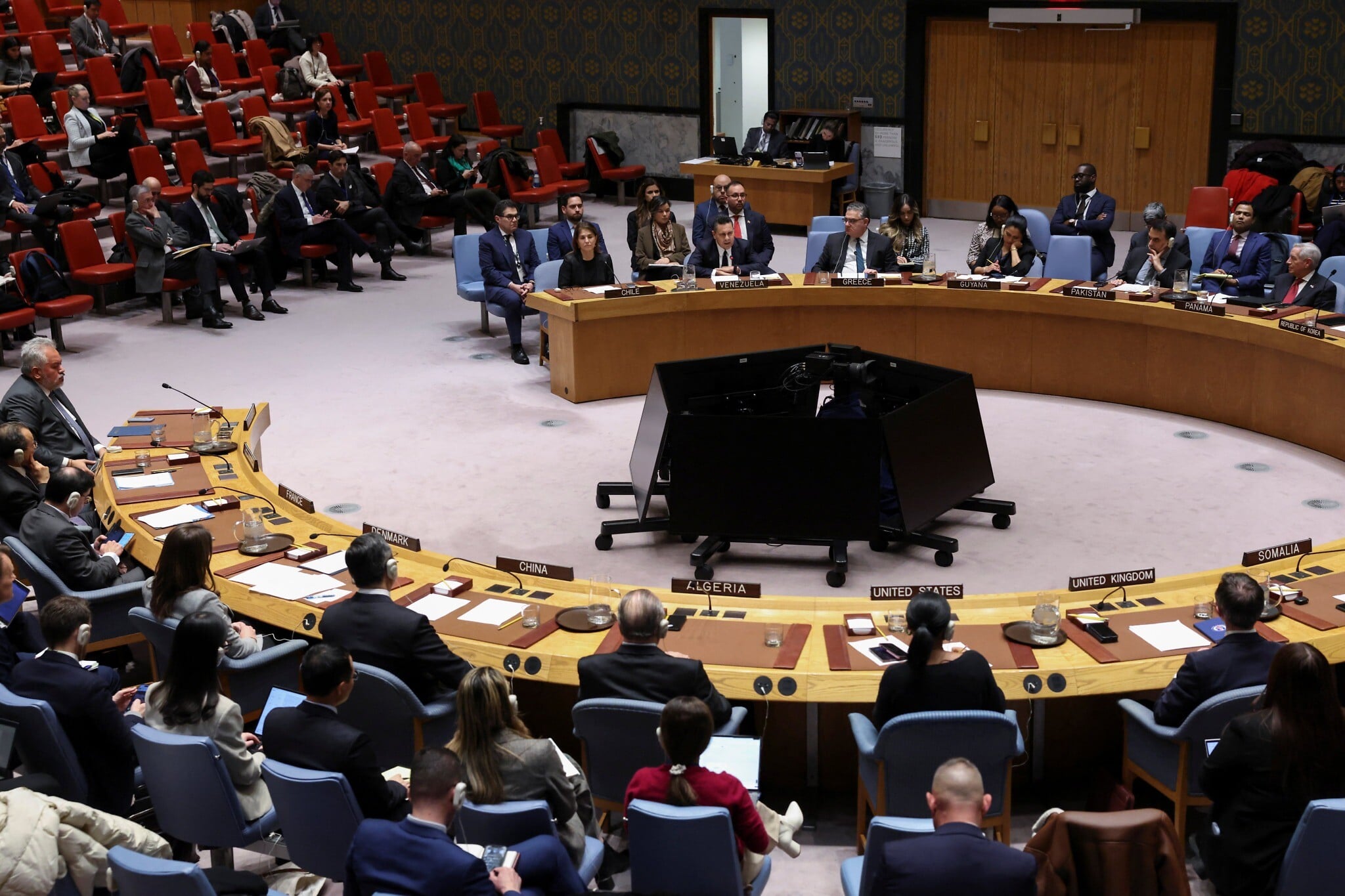
Israel’s recognition of Somaliland comes at a time when Somalia is preparing to assume the presidency of the UN Security Council, amplifying the diplomatic stakes involved. Somaliland's self-declared independence from Somalia in 1991 has not been widely recognized, which adds layers of complexity to Israel’s unilateral move. The act is perceived not just as a recognition of sovereignty but also as a challenge to Somalia's territorial integrity, which is a core concern for many regional actors.
The geopolitical landscape of the Horn of Africa is increasingly defined by the interests of external powers, including those from the Middle East and the West. Israel's recognition can be interpreted through the lens of the Abraham Accords, which aimed to foster new alliances and economic partnerships in the region. By establishing ties with Somaliland, Israel seeks to expand its influence in a strategically important area that connects to major maritime routes, particularly the Gulf of Aden.
The immediate regional reaction has been one of condemnation, with several countries viewing Israel's action as a provocation. Nations like Egypt and Turkey, along with regional organizations such as the Gulf Cooperation Council, have expressed concern over the potential destabilization of the region. These reactions illustrate the fragile nature of sovereignty claims in the Horn of Africa, where historical animosities and territorial disputes are prevalent. The situation is further complicated by the ongoing humanitarian challenges within Somalia, where the central government struggles with legitimacy and control.
This recognition also places Israel in a delicate position concerning its relationships with other African nations. While some may view it as a step towards enhancing Israel's diplomatic standing in the continent, others see it as an infringement on the rights of a recognized state. The European Union's response reinforces the importance of sovereignty and territorial unity, indicating that Israel's recognition may have broader implications for its diplomatic relations in Africa and beyond.
The recognition of Somaliland by Israel raises questions about the effectiveness of international norms governing state sovereignty and territorial integrity. As the UN Security Council prepares to address this issue, the potential for further diplomatic fallout looms large. The meeting may not only focus on Israel's actions but could also open discussions on the need for a more coherent international approach to self-declared states and their recognition.
Furthermore, the recognition signifies a shift in the strategic landscape of the Horn of Africa, where countries are increasingly pursuing bilateral relations that may sidestep traditional alliances. This could lead to a reconfiguration of power dynamics, with smaller nations seeking recognition and support from more influential states to bolster their own positions. The implications of such shifts could be profound, affecting regional stability and the prospects for conflict resolution.
So where does that leave things? Israel's recognition of Somaliland is a pivotal moment that reflects broader geopolitical trends and the complexities of statehood in the modern world. As regional actors respond and the international community deliberates, the outcome of this situation will likely influence the future of diplomacy and state recognition in the region, possibly reshaping alliances and conflicts for years to come.
Editor’s note: This article was independently written by the Scoopliner Editorial Team using publicly available information.