UN Agencies: Gaza Averted Famine, But Gains Remain Fragile Without Sustained Support
हिंदी में सुनें
Listen to this article in Hindi
UN agencies report famine has been pushed back in Gaza, but warn that the progress is fragile and could be reversed without more aid. 1.6M still food insecure.
A new report indicates that the Gaza Strip is no longer experiencing famine conditions, thanks to a recent ceasefire and improved access for humanitarian aid and commercial goods. That said, the reality is a bit more complicated. UN agencies are cautioning that this progress is precarious. The Food and Agriculture Organization (FAO), UNICEF, the World Food Programme (WFP), and the World Health Organization (WHO) jointly warned that without a significant and sustained increase in assistance, the situation could quickly deteriorate, plunging hundreds of thousands back into famine.
The Integrated Food Security Phase Classification (IPC) analysis reveals that while no areas are currently classified as experiencing famine, a staggering 1.6 million people – 77% of Gaza's population – still face acute food insecurity. This includes over 100,000 children and 37,000 pregnant and breastfeeding women who are projected to suffer from acute malnutrition through April of next year. Four governorates – North Gaza, Gaza Governorate, Deir al-Balah, and Khan Younis – are classified as being in a state of emergency, indicating severe food insecurity, high malnutrition levels, and an elevated risk of mortality.
Although the ceasefire has facilitated increased deliveries of essential supplies, including food, animal feed, and commercial imports, most families continue to struggle with severe shortages. Since the ceasefire began, over 730,000 people have been displaced, many residing in makeshift shelters and heavily dependent on humanitarian aid. The situation is further compounded by limited access to clean water, sanitation, and healthcare, as well as widespread destruction of agricultural land, livestock, and vital infrastructure.
Even with improved market supplies, many vulnerable families cannot afford nutritious food, especially protein-rich options. A large percentage of households are unable to afford food or access clean water, and children's diets are severely lacking in diversity, with many consuming only one or two food groups. Overcrowded shelters, damaged sewage systems, and unreliable water supplies are exacerbating the crisis, leading to disease outbreaks, particularly among children.
The FAO, UNICEF, WFP, and WHO are prepared to expand their operations, but import restrictions, access limitations, and funding shortfalls are hindering their ability to provide adequate support for food security, nutrition, health, water, sanitation, agriculture, and livelihood recovery.
Rein Paulsen, Director of FAO's Office of Emergencies and Resilience, emphasized the need to support local food production. "Gaza’s farmers, herders and fishers are ready to restart food production, but they cannot do so without immediate access to basic supplies and funding," he said.
Lucia Elmi, UNICEF Director of Emergency Operations, highlighted the vulnerability of children. "Gaza's children are no longer facing deadly famine, but they remain in grave danger... These fragile gains could vanish overnight if fighting resumes. We need sustained humanitarian access, restored basic services, and above all, lasting peace," Elmi stated.
Ross Smith, WFP Director of Emergency Preparedness and Response, stressed the importance of building on the progress made. "Now is the time to double down on these gains and ensure people can reliably access essential services," Smith said.
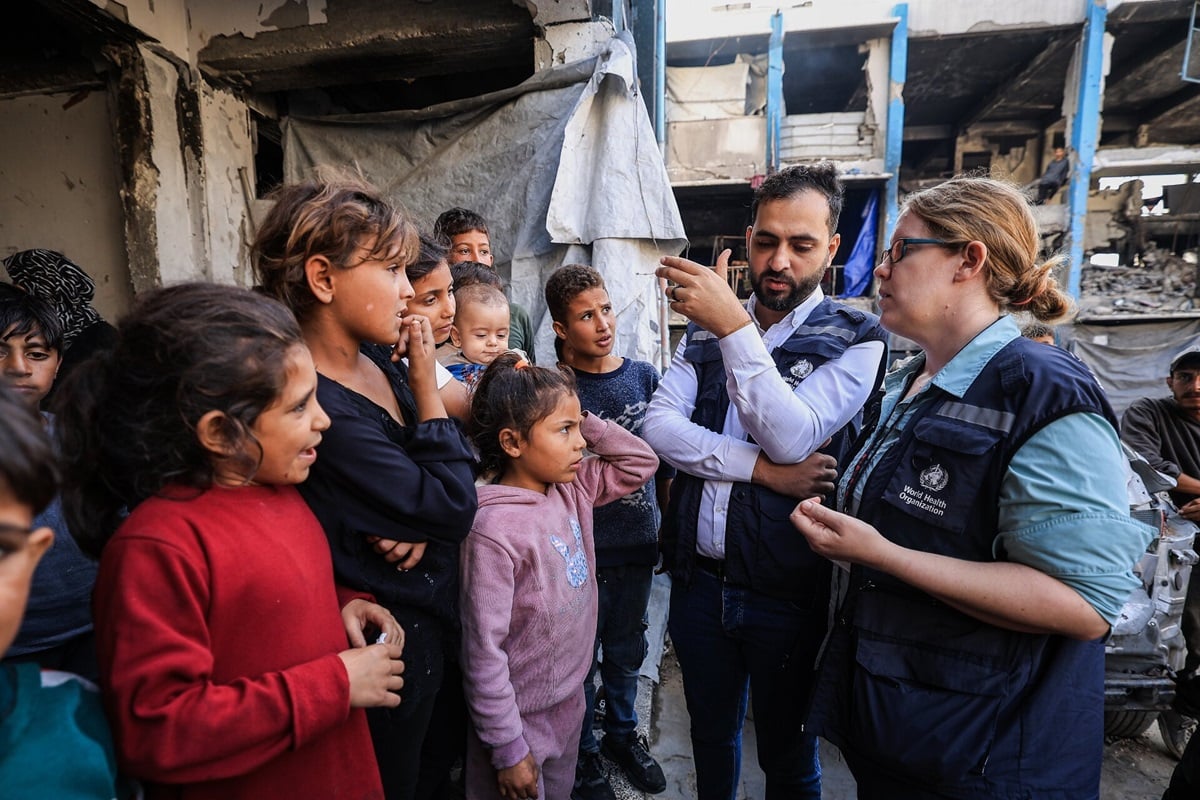
Altaf Musani, WHO's Director for Humanitarian and Disaster Management, pointed out the extensive damage to Gaza's health infrastructure. "Only fifty per cent of Gaza's health facilities are partially functional... Much more is needed to address the vast health needs," Musani noted.
- The agencies are calling on all parties to:
- Guarantee consistent, safe, and timely humanitarian and commercial access throughout Gaza.
- Remove restrictions on essential imports, including agricultural supplies, food, nutrition, and healthcare items.
- Increase funding for essential services to prevent further decline and enable recovery.
- Reactivate local food production and supply chains.
The UN agencies warn that the progress made since the ceasefire is at risk without immediate action. Sustained access, adequate supplies, and sufficient funding are crucial to preventing a return to famine and facilitating Gaza's recovery.