Pressure Mounts on Ukrainian Forces in Southern Conflict Zones
हिंदी में सुनें
Listen to this article in Hindi
Ukrainian forces face significant challenges in southern regions as Russian military gains reshape territorial control and strategic dynamics.
The ongoing conflict in Ukraine has escalated, particularly in the southern regions where Ukrainian forces are currently under intense pressure. This situation is noteworthy as it reflects the broader geopolitical dynamics at play, where territorial control remains a critical component of military strategy. The recent Russian advances have resulted in significant territorial gains in areas such as Zaporizhzhia, which not only alters the local military landscape but has implications for broader regional stability and international relations.
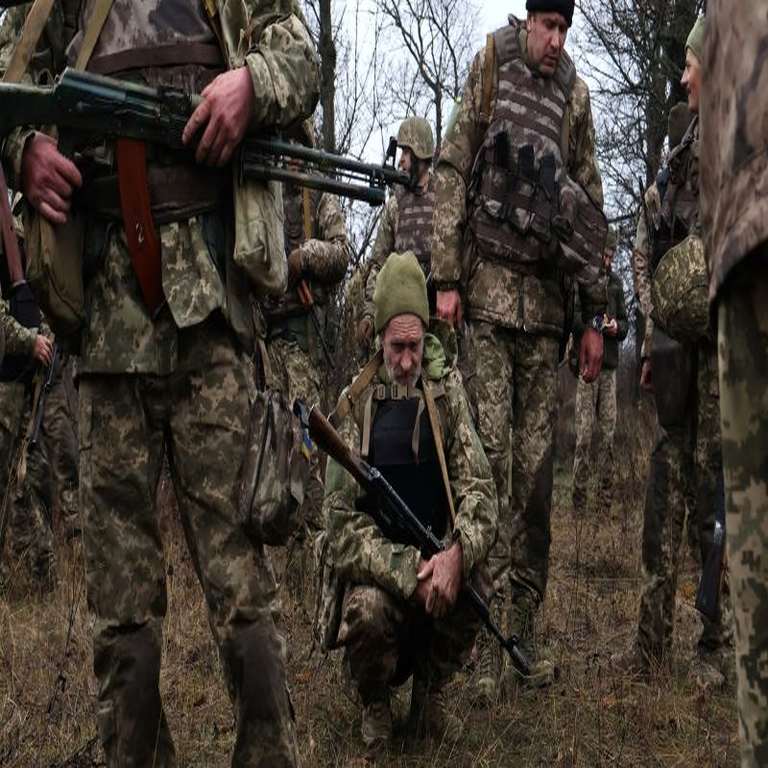
The Russian military's ability to outnumber and outmaneuver Ukrainian forces in these regions exemplifies the challenges faced by Ukraine in sustaining its defensive operations. The Ukrainian military is reportedly relying on less well-equipped units, indicating potential resource limitations that could hinder their operational effectiveness. The situation is further complicated by the difficult terrain, particularly in regions with low-lying areas that restrict reinforcement capabilities and make defensive maneuvers more challenging.
This development is crucial now as it coincides with Russia's strategic intent to strengthen its negotiating position by expanding territorial claims. Control over these regions not only enhances Russia’s leverage in any future negotiations but also contributes to its narrative of territorial consolidation, potentially affecting the calculations of international stakeholders involved in the conflict. The geopolitical implications extend beyond the battlefield, as altered territorial dynamics could influence the responses of NATO and other Western allies regarding military support and sanctions policy.
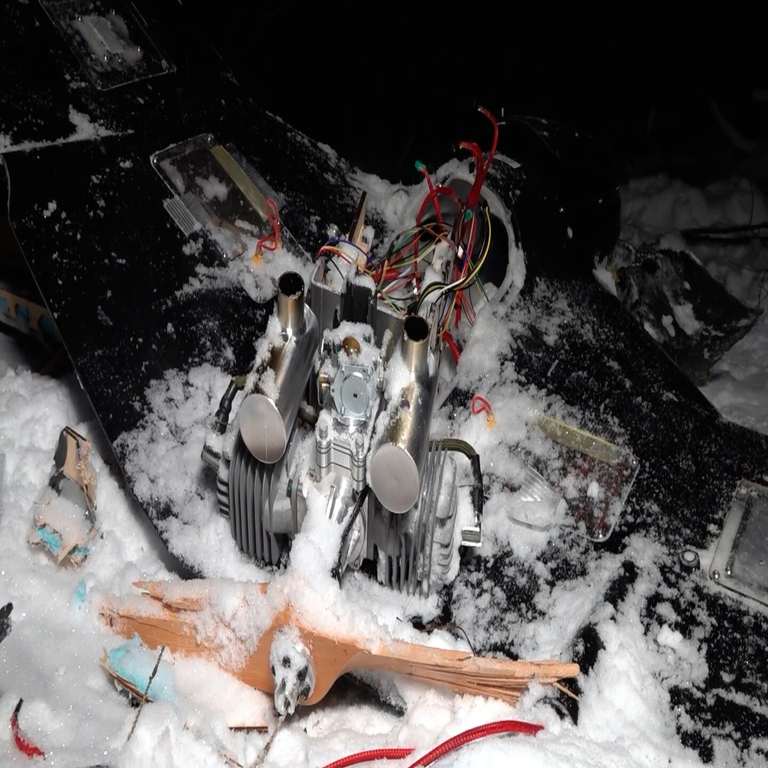
The tactical reliance of Ukrainian forces on drone technology in open countryside highlights both the innovation in their military strategy and the limitations they face in urban combat scenarios. Drones can be effective in countering Russian infantry, but the complexities of urban warfare—characterized by abandoned buildings and tight quarters—diminish their effectiveness. As the conflict continues to evolve, understanding these tactical shifts becomes essential for comprehending the overall strategic landscape.
Moreover, the situation in Huliaipole, now referred to as a “grey zone,” emphasizes the precariousness of current military positions. While Ukrainian troops maintain a presence, the overwhelming numerical superiority of Russian forces complicates any potential for a successful counteroffensive. This not only raises concerns about immediate military outcomes but also poses long-term risks to Ukraine's territorial integrity and sovereignty.
The dynamics in southern Ukraine are emblematic of a larger struggle for influence in Eastern Europe. As the conflict persists, the responses from the international community will be critical in determining the trajectory of the war. The potential for increased military aid to Ukraine or shifts in diplomatic strategies from Western nations could be influenced by unfolding events on the ground. The geopolitical stakes are high, with regional stability hanging in the balance as both sides vie for control.
So where does that leave things? the ongoing military pressures in southern Ukraine serve as a microcosm of the larger conflict and its implications for regional and global security. The outcomes of these confrontations will likely resonate beyond the immediate geographic area, influencing international relations and the strategic calculations of global powers that are increasingly invested in the region’s fate.
Editor's note: This article was independently written by the Scoopliner Editorial Team using publicly available information.