Tit-for-Tat Warfare Escalates: Drone Strikes and the Shifting Sands of the Black Sea
हिंदी में सुनें
Listen to this article in Hindi
Ukrainian drone strikes in Krasnodar Krai signal a new phase in the conflict, impacting Russian logistics and raising the stakes in the Black Sea region.
The low hum of drones has become an increasingly familiar soundtrack to the ongoing conflict between Ukraine and Russia, and recent strikes deep within Russian territory suggest a significant ratcheting up of tensions. Beyond the immediate damage, these attacks represent a calculated strategy aimed at disrupting Russian supply lines, degrading its military capabilities, and inflicting economic pain. For those watching from afar, particularly businesses and governments with interests in the region, understanding the implications of this escalating drone warfare is crucial.
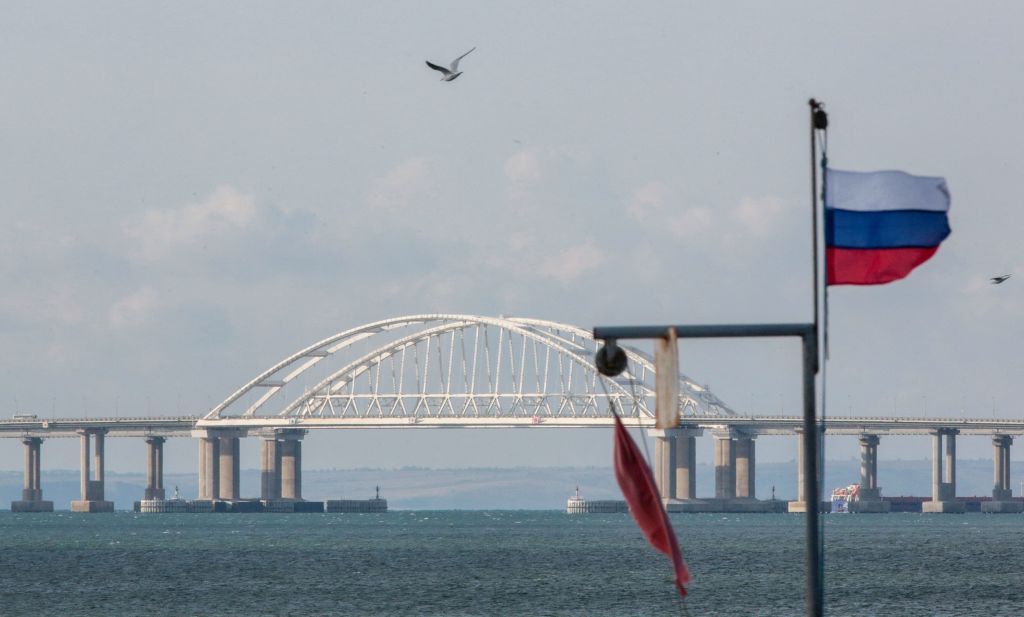
Why does this matter? Firstly, the attacks on Krasnodar Krai, a region bordering the Black Sea and the Sea of Azov, directly impact Russia's logistical network. This area serves as a vital artery for supplying Russian forces in occupied Ukrainian territories, including Crimea. Disrupting this flow of resources can weaken Russia's military position and potentially alter the balance of power on the battlefield. The Crimean Bridge, a key transport route, is within striking distance of Volna, highlighting the vulnerability of this critical infrastructure.
Secondly, the targeting of energy infrastructure, such as pipelines and terminals, carries significant economic consequences. Russia relies heavily on energy exports, and any disruption to these flows can impact its revenue streams and its ability to finance the war effort. These strikes demonstrate Ukraine's capacity to strike at the heart of the Russian economy, adding another layer of pressure on the Kremlin. The attacks also send a signal to international markets, raising concerns about the security of Russian energy supplies and potentially leading to price volatility. Investors tracking the Indian economy, for example, understand that disruptions to global energy markets can have knock-on effects on domestic inflation and economic growth.
The broader implications extend beyond the immediate conflict zone. The Black Sea is a critical waterway for international trade, and escalating military activity in the area raises the risk of disruptions to shipping lanes and increased insurance costs. This could impact global supply chains and further exacerbate existing economic challenges. Moreover, the use of drones as offensive weapons raises complex legal and ethical questions about the nature of modern warfare. The lack of clear international norms governing the use of autonomous weapons systems creates a gray area that could lead to further escalation and instability.
It's important to acknowledge the inherent risks and limitations. While these drone strikes may inflict damage and disrupt Russian operations, they are unlikely to be a decisive factor in the overall conflict. Russia possesses significant military capabilities and can retaliate in various ways. Furthermore, there is always a risk of miscalculation or unintended escalation, which could lead to a wider conflict. The ongoing development of RBI policy and the resulting potential impact on regional investment will be a key focus for many observers.
Balanced against these risks are some potential upsides. The drone strikes could force Russia to divert resources to defensive measures, weakening its offensive capabilities elsewhere. They could also boost morale in Ukraine and demonstrate the country's resilience in the face of aggression. Furthermore, the attacks could put pressure on the Russian government to negotiate a peaceful resolution to the conflict.
Ultimately, the escalating drone warfare in the Black Sea region underscores the complex and unpredictable nature of the conflict. It is a reminder that the war is not confined to the front lines but is increasingly impacting critical infrastructure and the global economy. Understanding the dynamics of this evolving conflict is essential for navigating the geopolitical risks and mitigating potential economic consequences. In the context of Topic basics for readers, it is vital to remember that this conflict did not arise overnight.
As things stand, this situation demands careful monitoring and a nuanced understanding of the risks and opportunities. Businesses with interests in the region should assess their exposure and develop contingency plans. Governments should work to de-escalate tensions and promote a peaceful resolution to the conflict. And the international community must address the legal and ethical challenges posed by the increasing use of drones in warfare.
Editor’s note: This article was independently written by the Scoopliner Editorial Team using publicly available information.