Shifting Dynamics in Ukraine: The Implications of Kyrylo Budanov’s Appointment
हिंदी में सुनें
Listen to this article in Hindi
An analytical examination of Kyrylo Budanov's appointment as Ukraine's chief of staff and its geopolitical implications.
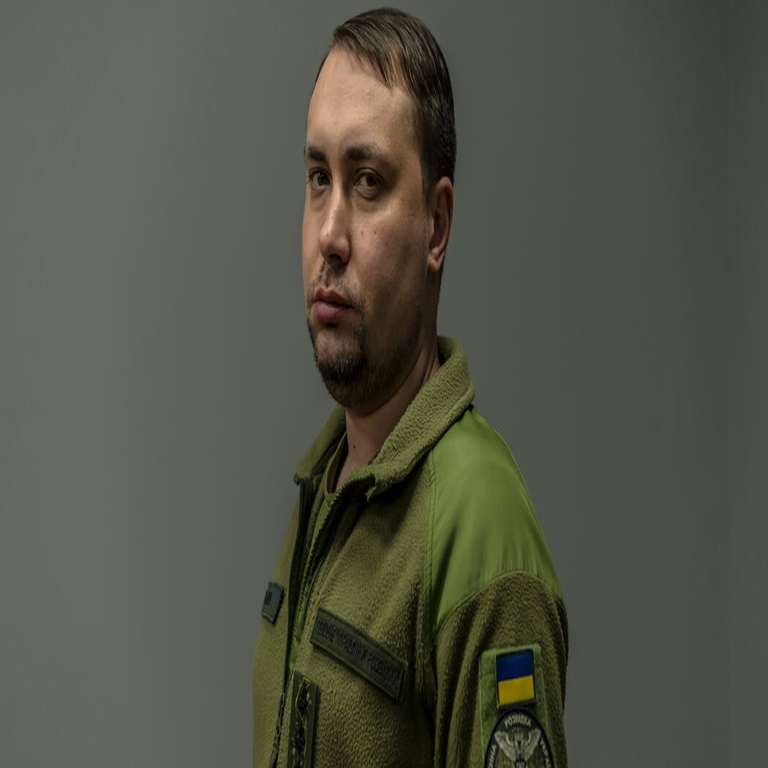
In the context of an ongoing conflict with Russia and increasing international scrutiny, Ukraine's political landscape is undergoing significant changes. The appointment of Kyrylo Budanov, previously head of military intelligence, as the new chief of staff to President Volodymyr Zelensky reflects a strategic realignment as Ukraine seeks to navigate a complex geopolitical environment. This transition comes at a critical juncture when discussions around potential cease-fires and elections are gaining momentum, driven by external pressures from both the United States and Russia.
Budanov’s move from military intelligence to a political role underscores the blurred lines between military and civilian governance in Ukraine, especially during wartime. His expertise in intelligence operations will likely be instrumental in shaping the administration's approach to negotiations with Moscow. That said, the reality is a bit more complicated. it also raises questions about the separation of military and political powers in a society that has faced significant corruption issues, particularly highlighted by the recent resignation of Andriy Yermak over a scandal. This shift may be perceived as an effort by Zelensky to consolidate power and control over Ukraine's political narrative, especially as elections loom on the horizon.
The decision to appoint a military figure to such a high-ranking political position may resonate with both domestic audiences and international allies who view a strong military presence in governance as a stabilizing force amid the ongoing conflict. Nevertheless, it presents inherent risks, particularly regarding democratic processes and the potential for militarization of political discourse. The international community will be keenly observing how this balance is managed, particularly in light of Ukraine's aspirations for EU integration and NATO alignment.
Another critical aspect of Budanov's appointment is its timing concerning the ongoing discussions about peace negotiations. The U.S. and Russia have both expressed interest in seeing Ukraine hold elections as part of a broader peace agreement. Budanov's role could either facilitate or complicate these discussions, given his military background and the potential perception of him as a rival to Zelensky. This dynamic could create friction within Ukraine's leadership, particularly if Budanov's military experience is viewed as a counterbalance to Zelensky's political approach.
Furthermore, the shift in leadership may impact Ukraine's intelligence community. Budanov's departure from military intelligence could lead to a restructuring that might affect operational effectiveness, especially as Ukraine continues to face espionage threats and military challenges. The leadership vacuum left in the military intelligence agency could create vulnerabilities at a time when the country's security apparatus is under heightened scrutiny.
As Budanov steps into his new role, the implications for Ukraine's foreign relations will be significant. His military background might bolster Ukraine's negotiating position in talks with Western allies, who may view his leadership as a signal of military readiness. That said, the reality is a bit more complicated. this perspective must be tempered with the understanding that military solutions alone cannot resolve the underlying political issues that have fueled the conflict.
In summary, Kyrylo Budanov's appointment as chief of staff is a multifaceted development with the potential to reshape Ukraine's political and military landscape. As discussions around cease-fires and elections intensify, the interplay between military leadership and political governance will be critical in determining the future trajectory of Ukraine's response to the ongoing war with Russia. The balance of power within the administration, the effectiveness of Ukraine's intelligence operations, and the broader implications for international diplomacy will all hinge on how Budanov navigates this new role amidst the complexities of wartime governance.
Editor's note: This article was independently written by the Scoopliner Editorial Team using publicly available information.