Ukraine: A Shifting Battlefield and Fragile Hopes for Peace
हिंदी में सुनें
Listen to this article in Hindi
The Ukraine war sees renewed fighting in Sumy, fragile diplomatic efforts, and persistent questions about Russia's long-term goals. An in-depth analysis.
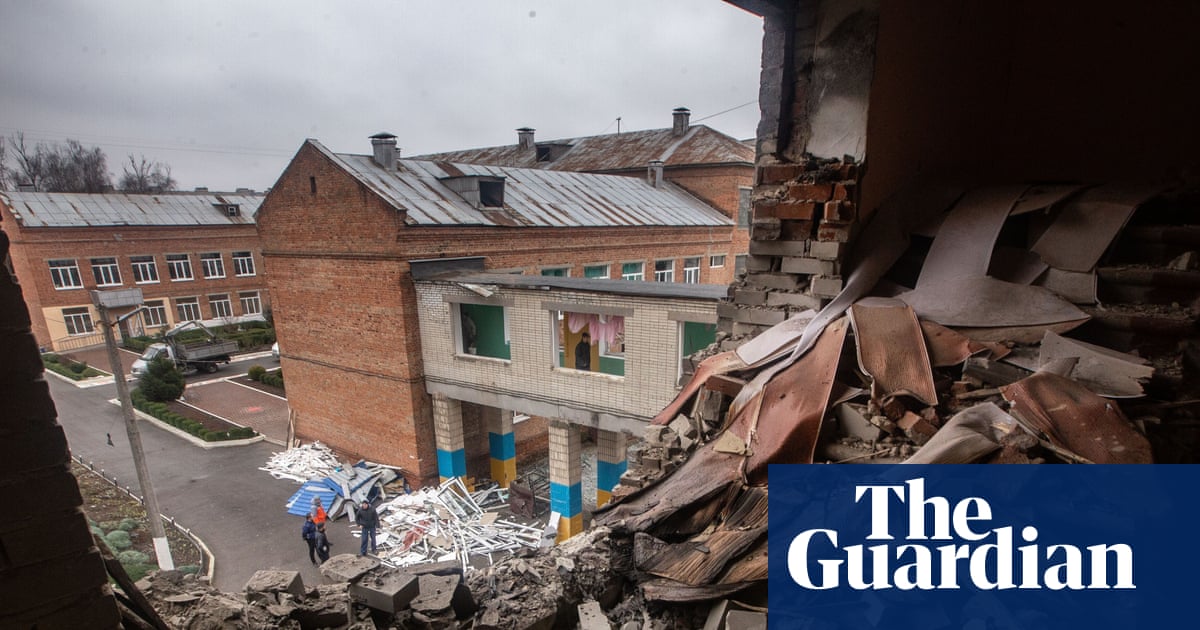
The grinding conflict in Ukraine, now well into its second year, continues to defy easy resolution. While headlines often focus on specific battles or diplomatic overtures, the underlying reality remains a complex interplay of military pressure, geopolitical maneuvering, and the enduring human cost of war. The recent intensification of fighting in the Sumy region, previously relatively quiet, serves as a stark reminder that the front lines are far from static, and that Russia retains the capacity to open new areas of conflict. This renewed push, coupled with reports of forced displacement of civilians, paints a grim picture of the war's impact on ordinary Ukrainians, even in areas that have seen less intense combat in recent times.
Why does this localized resurgence of violence matter to a global audience? The answer lies in the cascading effects of the conflict. Beyond the immediate humanitarian crisis, the war has destabilized energy markets, disrupted global supply chains, and triggered a massive refugee crisis. The ongoing fighting ties up significant resources, both military and financial, diverting funds from other critical areas like development and climate change mitigation. Moreover, the conflict has profoundly reshaped the geopolitical landscape, leading to increased military spending, renewed debates about NATO's role, and a deepening divide between Russia and the West.
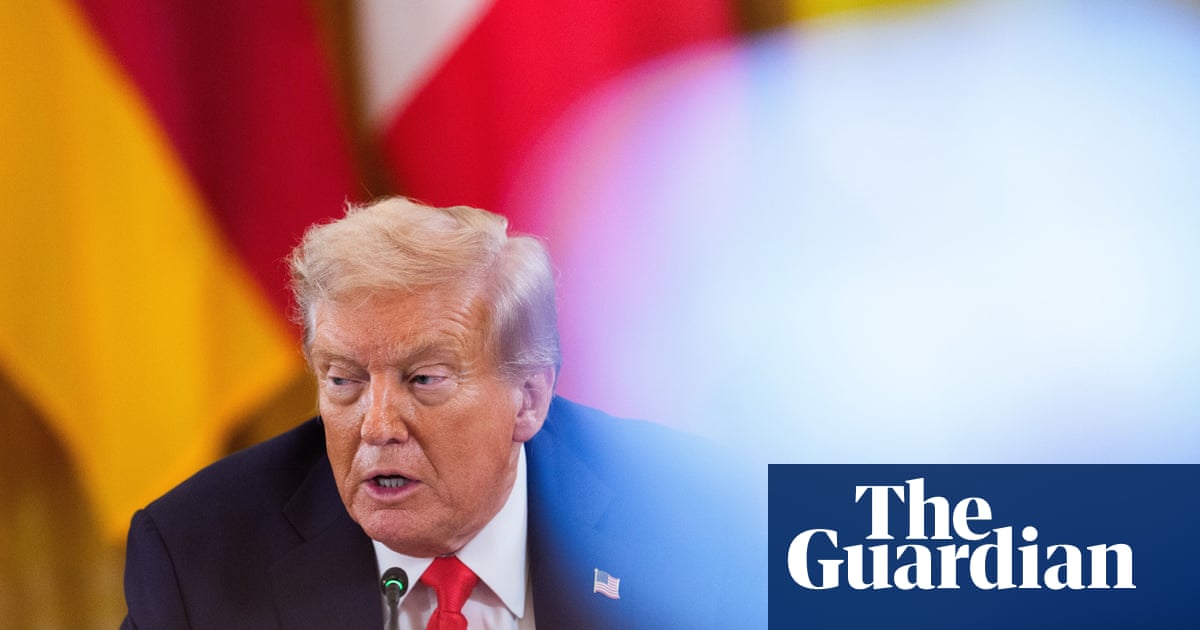
Against this backdrop of renewed fighting, diplomatic efforts continue, albeit with limited visible progress. The flurry of meetings, statements, and reported back-channel discussions highlights the international community's desire to find a way out of the conflict. That said, the reality is a bit more complicated. the lack of a clear breakthrough underscores the deep-seated mistrust and conflicting objectives that plague the peace process. Any potential path towards a resolution must address the core issues at stake, including Ukraine's territorial integrity, security guarantees for all parties, and the future of Russia's relationship with the West. The recent discussions in Florida, involving both US and Ukrainian envoys, suggest that the search for a diplomatic solution remains active, but the absence of concrete outcomes points to the significant challenges that lie ahead. The future of the Indian economy, for example, depends to some extent on stable global supply chains, which are vulnerable to disruption from this conflict.
The situation is further complicated by differing interpretations of Russia's long-term goals. While some analysts believe that Moscow is primarily focused on securing specific territorial gains in eastern Ukraine, others warn that its ambitions extend far beyond this, potentially including the destabilization of neighboring countries and the weakening of the Western alliance. These concerns are fueled by intelligence reports suggesting that President Putin has not abandoned his broader strategic objectives, despite the setbacks his military has faced. Understanding these objectives is crucial for crafting an effective response to the crisis. Overestimating Russia's ambitions could lead to unnecessary escalation, while underestimating them could leave Ukraine and its allies vulnerable to further aggression.
One of the key limitations of the current diplomatic efforts is the lack of direct, high-level engagement between Russia and Ukraine. While back-channel talks and indirect communication may be useful in exploring potential areas of compromise, ultimately, a lasting peace agreement will require face-to-face negotiations between the leaders of the two countries. The Kremlin's denial of planned three-way talks involving the US underscores the difficulty in achieving this. Furthermore, any peace deal must be sustainable and just, addressing the underlying grievances that fueled the conflict and ensuring that the rights and interests of all parties are protected. The basics of RBI policy also influence the global economic picture, impacting the conflict's effects worldwide.
For Scoopliner.com readers, understanding the nuances of the Ukraine conflict is essential for navigating an increasingly complex and interconnected world. The war's impact extends far beyond Eastern Europe, affecting everything from energy prices to international trade. By staying informed about the latest developments, including the renewed fighting, diplomatic efforts, and the ongoing debate about Russia's intentions, readers can better assess the risks and opportunities that this conflict presents. Ultimately, the search for a peaceful and lasting resolution to the Ukraine crisis will require a concerted effort from all stakeholders, based on a clear understanding of the challenges and a commitment to finding common ground. The stakes are high, not only for Ukraine and Russia, but for the entire global community.