Ukraine War: Hungary Approves EU Loan but Refuses Contribution
हिंदी में सुनें
Listen to this article in Hindi
Hungary's Orbán agrees not to block EU loan to Ukraine but won't contribute. Cyberattacks, sanctions, and settlement talks detailed.
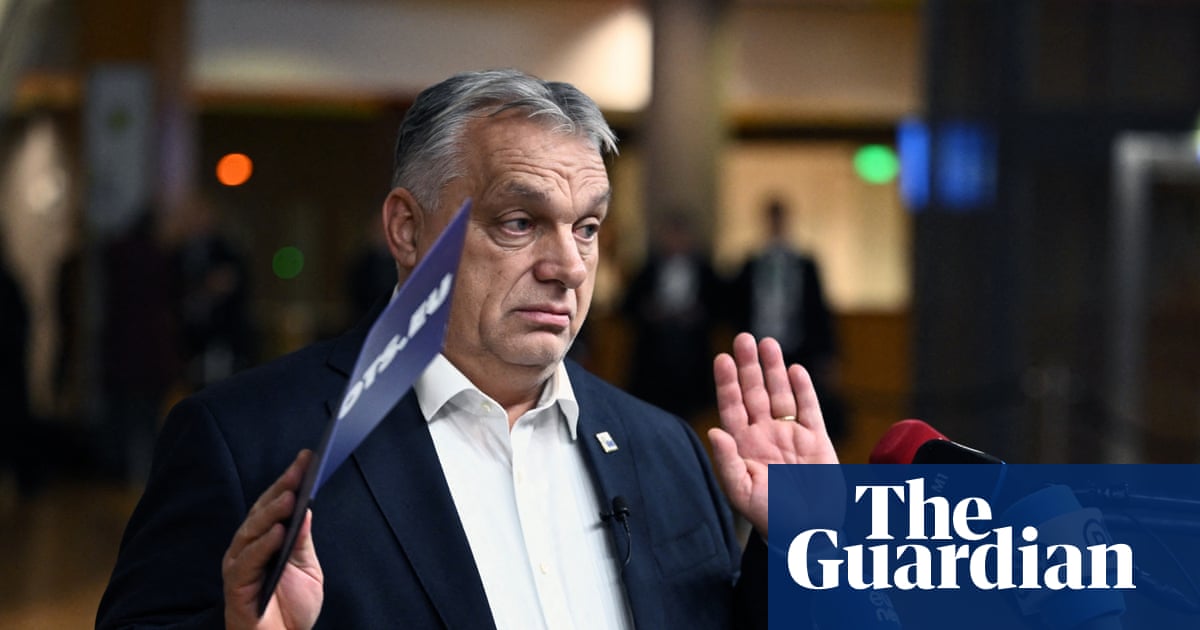
Hungary has agreed not to stand in the way of a substantial EU-backed, interest-free loan to Ukraine. This loan is intended to address Ukraine's military and economic needs over the next two years. That said, the reality is a bit more complicated. Hungary, along with Slovakia and the Czech Republic, will not be included in the loan's guarantees, as they did not wish to contribute to the financing. Diplomats finalized the loan agreement early Friday after failing to reach a consensus on using frozen Russian assets. Hungary, which maintains close ties with Moscow, had previously voiced its opposition to the loan, similar to its stance against using Russian assets.
German Chancellor Friedrich Merz stated that Ukraine would only be required to repay the loan if Russia provides reparations for the war. The EU also retains the option to utilize Russian assets immobilized within the EU to cover the repayment should Russia fail to provide compensation. Merz, a strong advocate for using frozen assets, acknowledged that the loan decision sends a “clear signal” to Russian President Vladimir Putin.
This agreement followed extensive discussions among leaders regarding the complex technical aspects of a loan secured by frozen Russian assets. Diplomats noted that these details proved too intricate or politically sensitive to resolve at this time. One EU diplomat commented that the focus had shifted from aiding Ukraine to preserving the image of those advocating for the use of frozen assets. A primary obstacle in utilizing Russian funds was providing Belgium, where €185 billion of the total €210 billion in European Russian assets are held, with sufficient protection against potential financial and legal repercussions from Russian retaliation if the funds were released to Ukraine.
In other developments, former U.S. President Donald Trump has urged Ukraine to expedite negotiations to end the Russian invasion. Speaking to reporters, Trump expressed hope that Ukraine would act swiftly, citing Russia's presence and potential changes in their position with prolonged delays. Trump envoys Steve Witkoff and Jared Kushner are reportedly scheduled to meet with Russian officials in Miami for discussions, following prior meetings with a Ukrainian delegation in Berlin.
The Danish government has formally accused Russia of orchestrating two separate cyber-attacks, describing it as “very clear evidence” of hybrid warfare. The Danish Defence Intelligence Service (DDIS) reported that Moscow was behind a cyber-attack targeting a Danish water utility in 2024, as well as a series of distributed denial-of-service attacks targeting Danish websites preceding municipal and regional council elections in November. The DDIS statement cited Russia’s “hybrid war against the west,” stating that the objective was to create instability and punish countries supporting Ukraine.
On Thursday, Russian strikes near Odesa, a Ukrainian Black Sea port, resulted in the death of a woman in her car. The attacks also damaged infrastructure, prompting the regional governor to appeal to residents experiencing prolonged power outages to cease blocking roads in protest. Oleh Kiper, the governor, reported via Telegram that a Russian drone killed a woman traveling across a bridge in her car southwest of Odesa, also injuring her three children. Kiper urged residents affected by the power outages to remain patient and discontinue the roadblocks.
In response to the ongoing conflict, Britain has imposed sanctions on additional Russian oil companies and Canadian-Pakistani businessman Murtaza Lakhani, aiming to intensify pressure on Moscow. The government's actions on Thursday targeted 24 individuals and entities, including what it identified as Russia’s largest remaining unsanctioned oil companies: Tatneft, Russneft, NNK-Oil, and Rusneftegaz. Earlier that day, the EU also imposed sanctions on 41 ships associated with Russia’s “shadow fleet,” which is allegedly used to circumvent Western trading restrictions.