The Implications of Russia's Attacks on Ukraine's Wheat Exports
हिंदी में सुनें
Listen to this article in Hindi
Russia's recent strikes on Ukrainian ports highlight critical global food security concerns amidst ongoing geopolitical tensions.
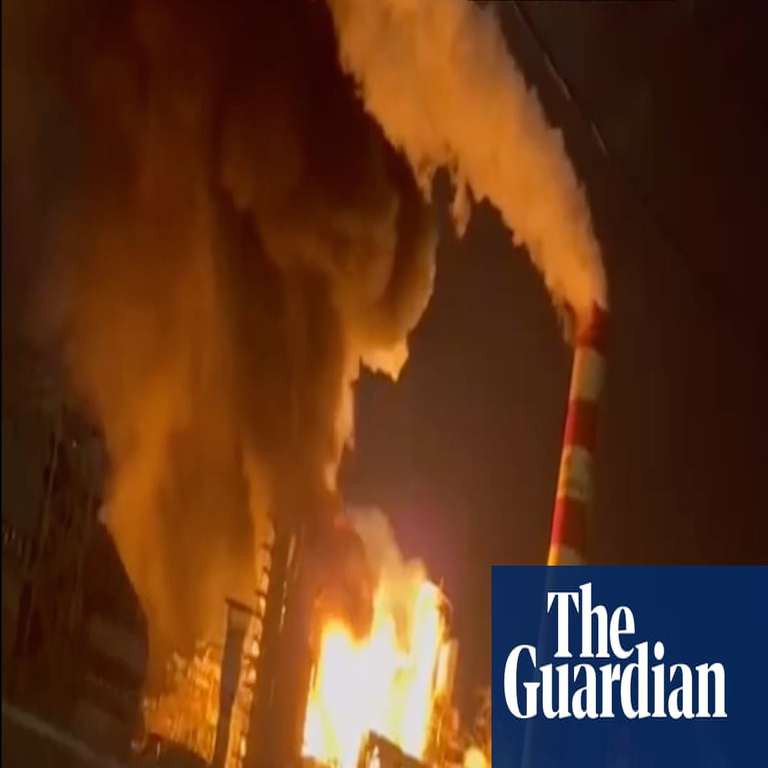
The ongoing conflict between Russia and Ukraine has significant implications for global food security, particularly as Ukraine remains a major player in agricultural exports. The recent attacks on Ukrainian ports, specifically targeting vessels engaged in wheat loading operations, underscore the precarious nature of food supply chains that are vital not only to Ukraine but also to many nations relying on its agricultural output.
The Black Sea, a critical maritime route for the exportation of Ukrainian wheat, has become increasingly dangerous due to Russia's military actions. By striking civilian vessels and port infrastructure, Russia is not only demonstrating its military capabilities but also sending a clear message regarding its strategic priorities in the region. Such actions threaten to destabilize the existing food supply networks which have already been strained due to the ongoing war, exacerbating the risk of food shortages in various parts of the world.
Food security has become an urgent issue in the context of international relations, particularly as countries grapple with rising food prices and supply chain disruptions attributed to the war. With many nations depending on Ukrainian grain, the attacks can be interpreted as a broader tactic aimed at undermining Ukraine's economic stability while simultaneously affecting global agricultural markets. This dynamic raises critical questions about how the international community will respond to the challenges posed by the conflict.
Moreover, these strikes reveal the complex interplay between military strategy and economic warfare. Russia's aggression is not merely about territorial control but also about exerting influence over global commodities markets. By targeting Ukraine's agricultural sector, Russia is attempting to leverage its military might to achieve economic objectives, potentially leading to long-term shifts in global food sourcing and pricing.
On the Ukrainian side, the government's response involves not only military retaliation but also efforts to maintain operational capabilities at critical ports. The resilience demonstrated by Ukrainian authorities in continuing to operate the affected ports indicates a strategic focus on ensuring that agricultural exports remain a lifeline for the economy amidst ongoing hostilities. That said, the reality is a bit more complicated. the risks associated with operating in such a volatile environment cannot be overlooked, as repeated strikes on civilian infrastructure could lead to increasing civilian casualties and international condemnation.
Additionally, the broader geopolitical landscape complicates the situation. The conflict has implications for international alliances and the global balance of power. As nations navigate their responses to Russia's actions, it is evident that food security is now a crucial factor in diplomatic negotiations and strategic planning. Countries that rely heavily on Ukraine's agricultural exports may find themselves compelled to take a more active stance in addressing the conflict, potentially reshaping alliances and partnerships.
Furthermore, the ongoing military actions, including drone strikes from both Ukrainian and Russian forces, signal a potential escalation in hostilities that could further destabilize the region. The targeting of critical infrastructure on both sides indicates a shift towards a more aggressive phase of the conflict, raising concerns about the potential for broader regional implications.
So where does that leave things? the recent attacks on Ukraine's wheat-exporting capabilities highlight a critical juncture in the geopolitical landscape where food security intersects with military strategy. As nations assess their positions and responses, the implications of these developments will resonate far beyond the immediate conflict, influencing global markets, international relations, and the overall stability of food supplies worldwide.
Editor's note: This article was independently written by the Scoopliner Editorial Team using publicly available information.