The Shifting Sands of Trust: Ukraine War Tests International Norms and Alliances
हिंदी में सुनें
Listen to this article in Hindi
The Ukraine war is not just a regional conflict but a stress test on international trust, impacting diplomatic norms, intelligence sharing, and alliance cohesion.
The ongoing conflict in Ukraine continues to act as a catalyst, accelerating existing geopolitical trends and exposing vulnerabilities in international systems built on cooperation and trust. While military clashes dominate headlines, the less visible erosion of trust between nations – and within alliances – presents a longer-term challenge to global stability. This erosion manifests in several key areas, from intelligence sharing and airspace integrity to the handling of diplomatic disputes and the interpretation of international law. The ripple effects extend far beyond the immediate conflict zone, impacting international relations and potentially reshaping the global order.
One critical area of concern is the increasing strain on established norms regarding airspace sovereignty. The recent incident involving Polish jets intercepting a Russian reconnaissance aircraft over the Baltic Sea highlights the heightened state of alert and the potential for miscalculation in a region already fraught with tension. Similarly, the detection of objects entering Polish airspace from Belarus, even if identified as smuggling balloons, underscores the challenges of maintaining border security and interpreting intent in a complex security environment. These events, while seemingly isolated, contribute to a broader atmosphere of distrust, requiring increased vigilance and potentially leading to a more militarized approach to border security across Europe. This is also impacting world affairs background as countries re-evaluate security doctrines.
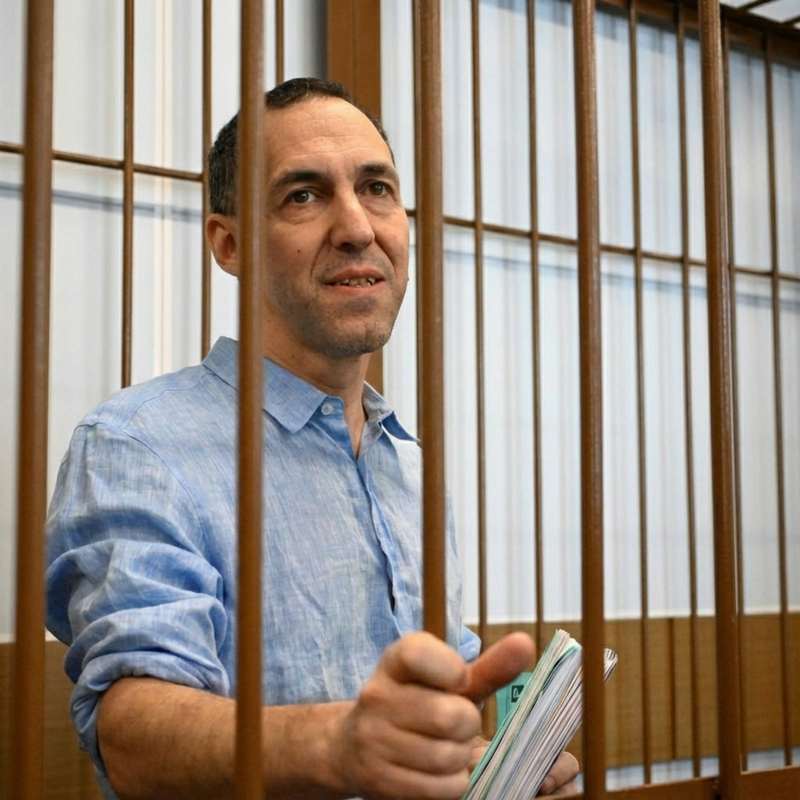
The case of Laurent Vinatier, the French national imprisoned in Russia, exemplifies the challenges of navigating legal and diplomatic complexities amid strained relations. Accusations of espionage and the application of restrictive “foreign agent” laws further complicate diplomatic efforts and erode trust between nations. The Kremlin's public statement placing the “ball in France's court” adds a layer of political maneuvering, highlighting the use of individuals as bargaining chips in a broader geopolitical game. This practice undermines the principles of due process and consular protection, potentially chilling international exchanges and academic collaborations.
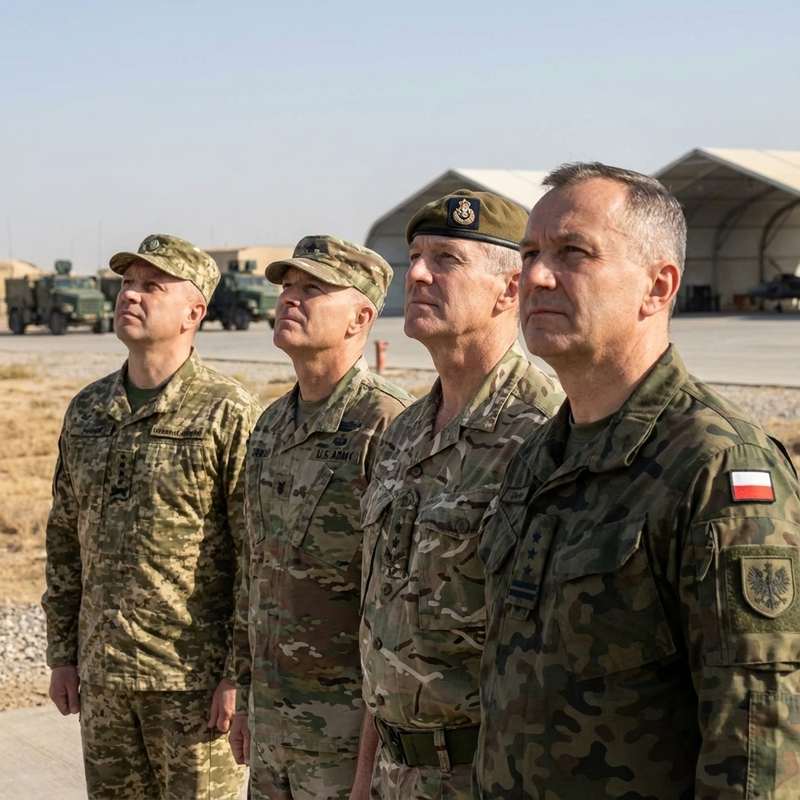
Furthermore, the conflict is testing the cohesion and effectiveness of international alliances, particularly within NATO. While the alliance has presented a united front in supporting Ukraine, the varying levels of commitment and the differing threat perceptions among member states create underlying tensions. The incidents involving airspace violations near Poland and the Baltic states raise questions about the speed and effectiveness of NATO's response mechanisms and the degree to which member states are willing to risk escalation. These concerns, while often unspoken, contribute to a sense of unease and necessitate constant reassessment of alliance strategies and capabilities.
The information space is another critical battleground where trust is being actively eroded. The proliferation of disinformation and propaganda, originating from various sources, aims to sow discord, undermine public confidence in institutions, and manipulate public opinion. This phenomenon, amplified by social media and other digital platforms, poses a significant challenge to governments and international organizations seeking to maintain credibility and counter false narratives. The ability to discern truth from falsehood becomes increasingly difficult, further eroding trust in established sources of information and creating fertile ground for conspiracy theories and extremist ideologies. The future stability of the global information ecosystem is dependent on countries' abilities to handle information warfare.
Looking ahead, the path to rebuilding trust will be long and arduous. It requires a commitment to transparency, adherence to international law, and a willingness to engage in genuine dialogue, even with adversaries. That said, the reality is a bit more complicated. the current geopolitical climate, characterized by increasing polarization and a resurgence of great power competition, makes such efforts exceedingly difficult. The ongoing conflict in Ukraine serves as a stark reminder of the fragility of international norms and the importance of safeguarding the foundations of trust upon which global stability depends.
Editor’s note: This article was independently written by the Scoopliner Editorial Team using publicly available information.