The Legacy of Nuclear Disarmament: Strategic Implications for Ukraine and Beyond
हिंदी में सुनें
Listen to this article in Hindi
Explore the geopolitical ramifications of Ukraine's nuclear disarmament and its ongoing implications in global security dynamics.
The recent resurgence of tensions in Eastern Europe has brought renewed scrutiny to the historical decisions made by former Soviet states, particularly Ukraine, in the aftermath of the Cold War. The dismantlement of Ukraine’s nuclear arsenal shortly after its independence in 1991, underpinned by security assurances from major powers, is increasingly viewed as a strategic miscalculation amid ongoing conflicts. As geopolitical dynamics shift, the implications of Ukraine's nuclear decision resonate not only within its borders but also across the global stage.
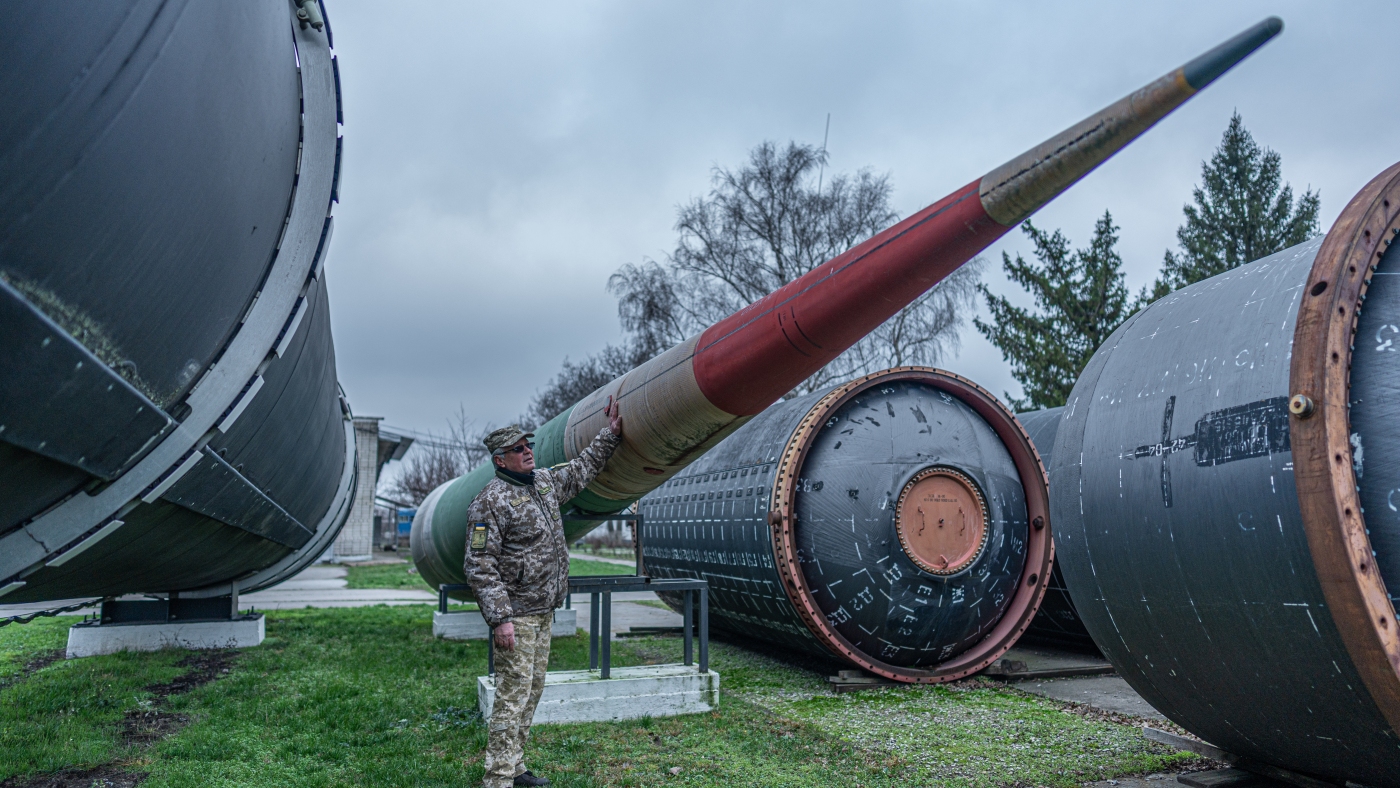
The Museum of Strategic Missile Forces in Pobuzke serves as a stark reminder of this historical context. It encapsulates the Cold War era's arms race and illustrates the complexities of nuclear policy in a post-Soviet landscape. With the backdrop of the current military confrontations, the museum symbolizes a broader conversation about security, sovereignty, and the role of nuclear capabilities in deterring aggression.
Today, most Ukrainians express regret over the relinquishment of their nuclear weapons, interpreting it as a misjudgment that has left their nation vulnerable. This sentiment reflects a growing narrative that questions the efficacy of international security guarantees. The museum's visitors, driven by a mix of curiosity and historical reflection, engage with artifacts that speak to a time when Ukraine held significant nuclear capabilities, evoking a sense of what might have been had those weapons remained in Ukrainian hands.
The geopolitical significance of Ukraine's disarmament extends beyond national borders. It raises critical questions about the reliability of security assurances provided by nuclear powers. The 1994 Budapest Memorandum, which promised Ukraine’s sovereignty and territorial integrity in exchange for its nuclear disarmament, is under scrutiny as the Russian invasion unfolds. Observers note that the perceived failure of these guarantees may affect nuclear policy decisions in other states considering disarmament or nuclear capability development.
Furthermore, the situation highlights the evolving landscape of global nuclear deterrence. As nations reassess their security needs in light of perceived threats, the implications for non-proliferation initiatives and disarmament treaties could be profound. The frustration felt by Ukrainians today may echo in other regions where nations face similar dilemmas about the balance between disarmament and national security.
The risks associated with a potential rearmament by Ukraine also merit consideration. The prospect of Ukraine re-establishing a nuclear arsenal could escalate tensions within the region and provoke a response from Russia and other neighboring countries. It raises concerns about a renewed arms race in Eastern Europe, which could undermine the fragile stability that has been achieved since the end of the Cold War.
In examining the historical and contemporary implications of Ukraine's nuclear disarmament, it is essential to recognize the role of international diplomacy in shaping security environments. The current geopolitical landscape emphasizes the necessity for robust dialogue and multilateral security arrangements that address the concerns of all states involved, particularly those that feel threatened by external aggression.
As the narrative of Ukraine's nuclear history unfolds, it becomes clear that the lessons learned extend beyond its borders. Other nations facing similar security dilemmas may look to Ukraine’s experience as a cautionary tale about the complexities of disarmament. The global discourse surrounding nuclear capabilities, security guarantees, and the principles of sovereignty will continue to evolve, influenced by the ongoing conflict in Ukraine and the broader implications it holds for international relations.
Editor’s note: This article was independently written by the Scoopliner Editorial Team using publicly available information.