The Shifting Sands of Celebrity Influence: Criminal Justice and the Court of Public Opinion
हिंदी में सुनें
Listen to this article in Hindi
The Russell Brand case highlights the complex intersection of celebrity power, criminal justice, and the evolving dynamics of public opinion in a globally interconnected world.
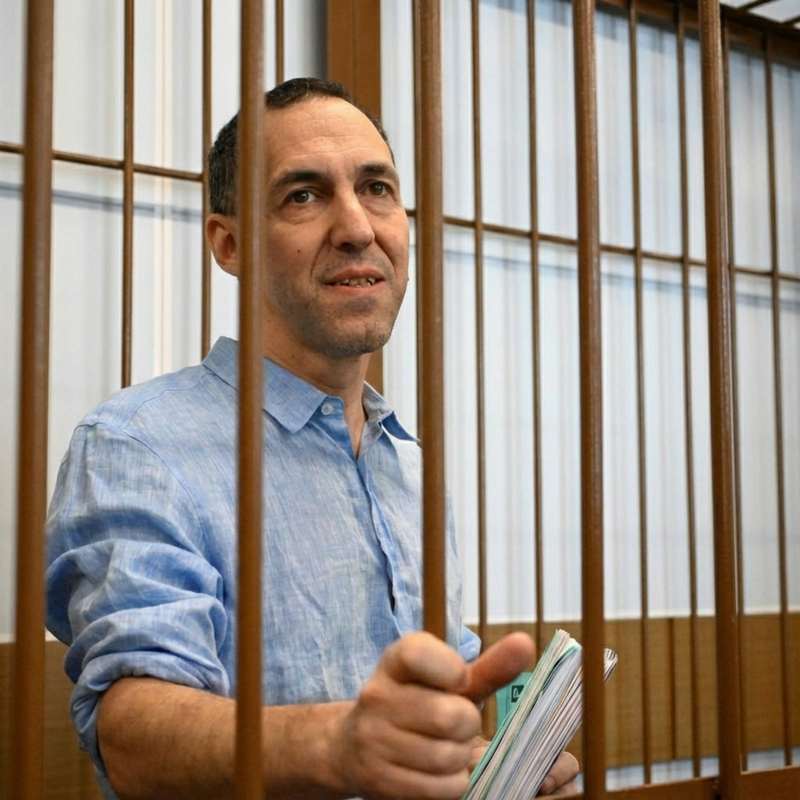
The power dynamics inherent in celebrity culture are increasingly under scrutiny, with implications extending far beyond the entertainment industry. While accusations against prominent figures are not new, the speed and scale at which these controversies now unfold, fueled by social media and a heightened awareness of power imbalances, are reshaping the landscape of influence and accountability. The case of Russell Brand, facing multiple allegations of sexual assault, serves as a potent example of this evolving dynamic, raising fundamental questions about the interplay between fame, justice, and public perception.
Historically, celebrity status often provided a protective shield, enabling individuals to navigate legal and social challenges with relative ease. The Brand case, however, demonstrates a potential shift in this paradigm. The initial reporting by Channel 4 and The Sunday Times triggered a cascade of public condemnation and police investigation, highlighting the diminished tolerance for alleged abuses of power. This shift reflects a broader societal reckoning with issues of consent, accountability, and the responsibility of influential figures. The global reach of media and social platforms ensures that such cases resonate far beyond national borders, influencing perceptions and setting precedents for similar situations worldwide. This echoes a trend visible in other industries, such as the #MeToo movement's impact on corporate governance and workplace behavior globally.
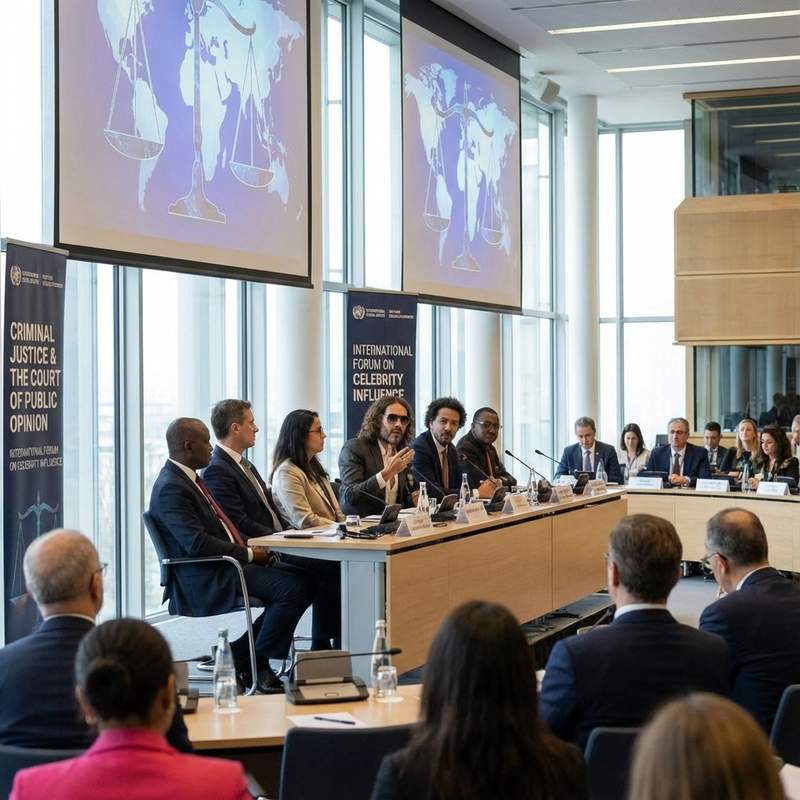
The legal proceedings against Brand will unfold within the UK's criminal justice system, a system that, like those in many Western democracies, is predicated on the principles of due process and presumption of innocence. That said, the reality is a bit more complicated. the court of public opinion operates under different rules. Social media platforms, news outlets, and public discourse can quickly amplify allegations, potentially influencing public perception and even impacting the impartiality of legal proceedings. This tension between legal principles and public sentiment underscores the complexities of navigating high-profile cases in the digital age. The UK's approach to these cases will be closely watched by other nations grappling with similar challenges – balancing the rights of the accused with the imperative to address allegations of abuse and protect potential victims.
Furthermore, the Brand case raises questions about the role and responsibility of media organizations in perpetuating or challenging power imbalances. The initial reports that triggered the investigation underscore the potential for investigative journalism to hold powerful individuals accountable. That said, the reality is a bit more complicated. they also highlight the ethical considerations involved in reporting on sensitive allegations and the need for responsible and balanced coverage. The case may prompt media outlets globally to re-evaluate their internal policies and procedures for handling allegations of misconduct, particularly those involving individuals with significant influence. This is increasingly important in a world where media credibility is constantly challenged by misinformation and disinformation campaigns, making robust reporting standards a necessity for maintaining public trust.
The outcomes of the legal proceedings and the ongoing public discourse surrounding the Brand case will likely have far-reaching consequences. A conviction could embolden victims of abuse to come forward and further erode the protective shield afforded by celebrity status. Conversely, an acquittal could reinforce existing power dynamics and undermine efforts to promote accountability. Regardless of the specific outcome, the case serves as a crucial test of the evolving relationship between celebrity, justice, and public opinion in a globally interconnected world. The long-term impact will depend on how societies choose to learn from this case and how they adapt their legal, social, and media landscapes to better address issues of power, accountability, and justice. The global nature of celebrity culture means the ramifications will extend far beyond the UK, potentially influencing legal and social norms worldwide. This also intersects with ongoing debates about freedom of speech and the limits of public discourse, especially in the context of online platforms. Understanding the dynamics of information warfare also becomes crucial when analyzing narratives pushed around such cases.
The uncertainties remain substantial. The legal proceedings are ongoing, and the full extent of the allegations may not be fully known for some time. The impact on Brand's career and reputation is already significant, but the long-term consequences are yet to be determined. More broadly, the case serves as a reminder of the challenges of balancing individual rights with the need to address systemic issues of power and abuse in a rapidly changing world. The intersection of celebrity influence, criminal justice, and public opinion demands careful consideration and a commitment to upholding the principles of fairness, accountability, and justice.
[Internal Link: World affairs background on media accountability] [Internal Link: Topic basics for readers on sexual assault laws]
Editor’s note: This article was independently written by the Scoopliner Editorial Team using publicly available information.