The Cycle of Violence: How Instability in Israel Impacts Regional Security
हिंदी में सुनें
Listen to this article in Hindi
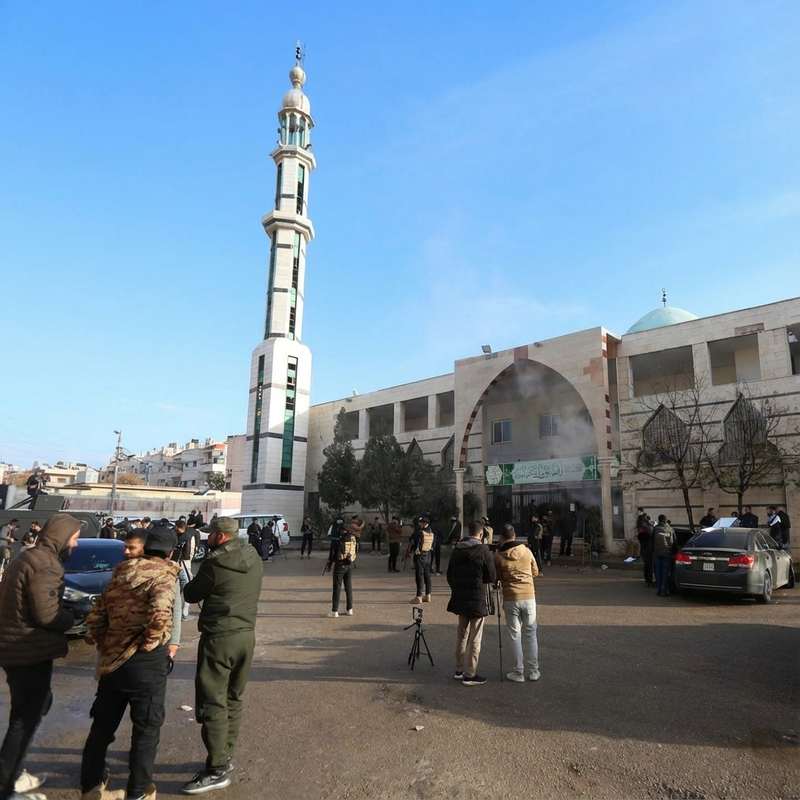
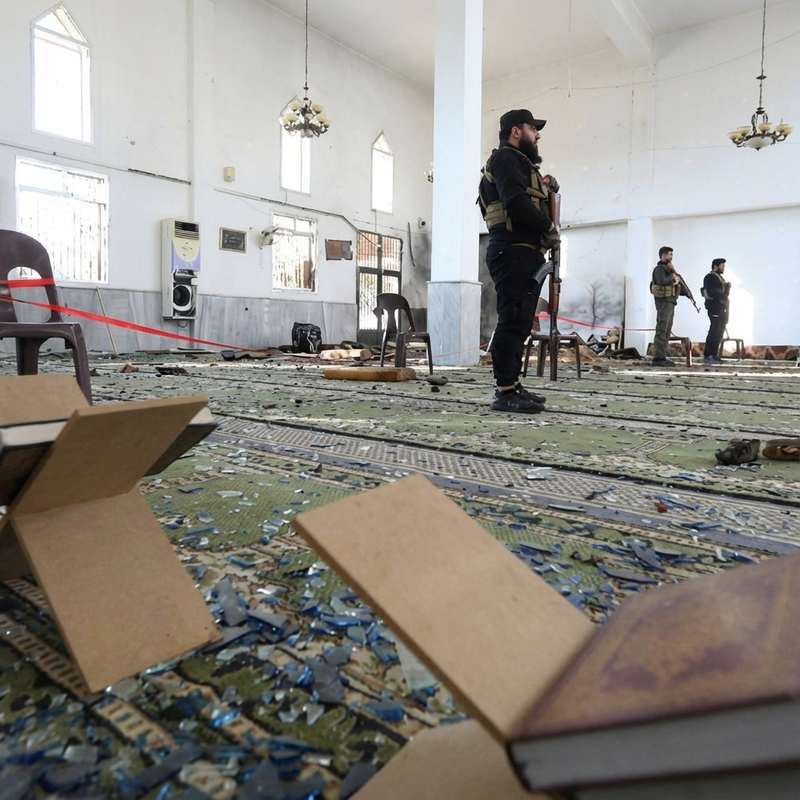
Attacks in Israel underscore the fragility of regional security, potentially impacting international diplomacy and security strategies. Analysis inside.
The recurring cycle of violence between Israelis and Palestinians continues to destabilize the region, creating ripple effects that extend far beyond the immediate conflict zone. While localized incidents may appear isolated, they contribute to a broader climate of instability that can influence international relations and security policies. The underlying factors driving this conflict are deeply rooted in territorial disputes, political grievances, and historical narratives, making sustainable solutions exceptionally difficult to achieve.
One of the key geopolitical implications stems from the potential for these localized events to escalate into larger confrontations. Increased violence can embolden extremist groups on both sides, undermining efforts towards peaceful negotiation and potentially drawing in external actors seeking to capitalize on the instability. The involvement of external powers, whether through diplomatic maneuvering, financial support, or military aid, can further complicate the situation and exacerbate existing tensions.
The impact of such instability extends beyond the immediate region. Disruptions to trade routes, energy supplies, and diplomatic relations can have global economic consequences. Furthermore, the ongoing conflict serves as a breeding ground for radical ideologies, potentially inspiring acts of terrorism in other parts of the world. The Israeli-Palestinian conflict has long been a focal point for international attention, and its unresolved nature continues to fuel anti-Western sentiment in some regions, complicating counter-terrorism efforts and broader diplomatic initiatives. Understanding the historical context of world affairs and the evolving dynamics of the Middle East is crucial for developing effective strategies to address these challenges.
The Israeli government's response to attacks, such as the demolition of attackers' homes, is a contentious issue. While intended as a deterrent, critics argue that such measures constitute collective punishment and may be counterproductive, potentially fueling further resentment and radicalization within Palestinian communities. This policy, and others, highlight the complex ethical and legal considerations involved in managing the conflict. The effectiveness of deterrent measures is constantly debated, and there is no clear consensus on the optimal approach to preventing future attacks. The complexities of finding a pathway to peace are further compounded by the internal political dynamics within both Israel and Palestine, where hardline factions often wield significant influence.
Furthermore, the economic disparities between Israel and the Palestinian territories contribute to the ongoing tensions. The limited economic opportunities and restricted movement experienced by many Palestinians can foster a sense of desperation and resentment, making them more susceptible to extremist ideologies. Addressing these economic imbalances is crucial for creating a more stable and equitable environment, but it requires sustained investment and a willingness to address the underlying political issues that hinder economic development. India's global position as a key player in international affairs makes it an important voice in advocating for peaceful resolutions and economic cooperation in the region.
Uncertainties remain regarding the future trajectory of the conflict. The ability of international actors to mediate a lasting peace agreement is constrained by the deep-seated mistrust and conflicting narratives that characterize the relationship between Israelis and Palestinians. The success of any future peace process will depend on a willingness from both sides to compromise and address the core issues of territory, security, and refugees. Without significant progress on these fronts, the cycle of violence is likely to continue, perpetuating instability and hindering regional development.
The recent attacks and subsequent reactions underscore the urgent need for a renewed focus on de-escalation and conflict resolution. While immediate security concerns are paramount, a long-term solution requires addressing the underlying causes of the conflict and fostering a climate of trust and cooperation. Failure to do so will only perpetuate the cycle of violence, with potentially far-reaching consequences for regional and global security.
Editor’s note: This article was independently written by the Scoopliner Editorial Team using publicly available information.