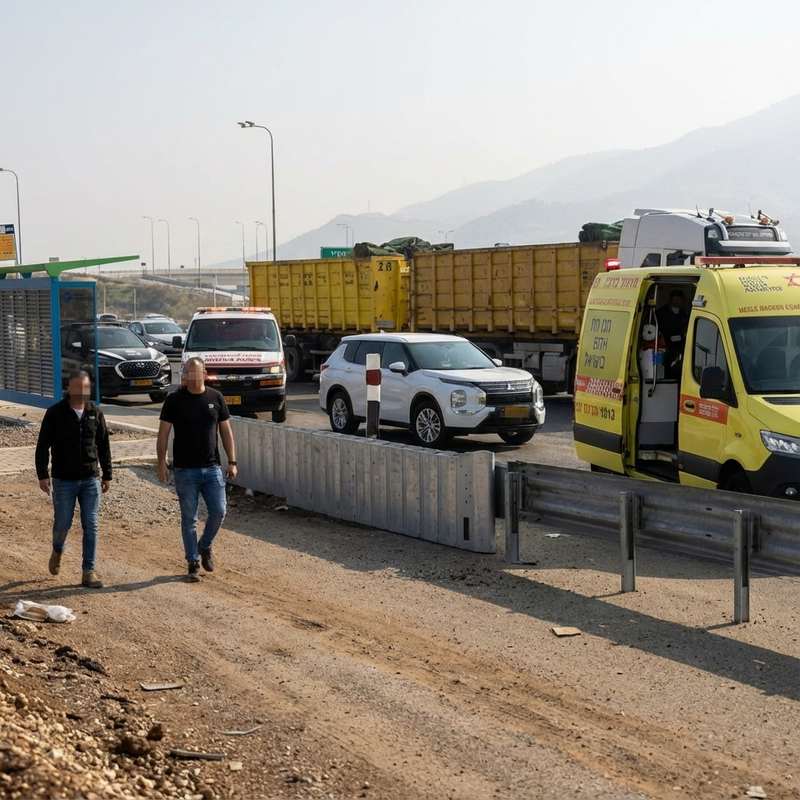
Erosion of Security in Israel: A Symptom of Shifting Regional Dynamics
हिंदी में सुनें
Listen to this article in Hindi
The recent attacks in Israel highlight a deeper erosion of security, reflecting complex regional power dynamics and policy implications beyond immediate events.
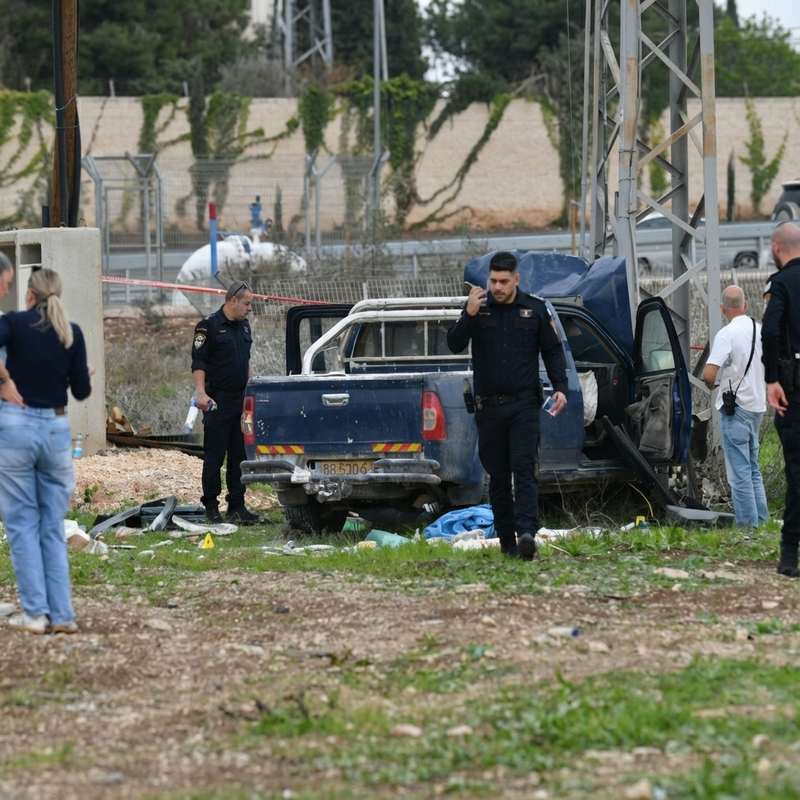
The recurring cycles of violence in Israel and the Palestinian territories are not isolated incidents, but rather symptoms of a deeper, systemic instability rooted in a complex interplay of political, economic, and social factors. The recent attacks in northern Israel, while tragic in their immediate consequences, underscore a longer-term trend: the gradual erosion of security and the potential for escalation driven by unresolved grievances and shifting regional power dynamics.
The frequency of such incidents, regardless of their specific triggers, points to a fundamental failure to address the underlying causes of the Israeli-Palestinian conflict. A key factor is the stalled peace process, which has left a political vacuum filled by frustration and despair, particularly among young Palestinians. This vacuum creates fertile ground for radicalization and violence. The economic hardships faced by many Palestinians, coupled with the ongoing expansion of Israeli settlements in the West Bank, further exacerbate tensions and fuel resentment.
Beyond the immediate context, these incidents have broader regional implications. They can be seen as a microcosm of the larger geopolitical competition playing out in the Middle East. While direct state-sponsored conflict has decreased, non-state actors and localized violence are increasingly used as proxies to exert influence and destabilize rivals. The perceived weakness or vulnerability of one side can embolden actors on the other, leading to a dangerous cycle of escalation. The ongoing conflict also impacts international relations, particularly regarding global energy markets and security concerns. For example, instability in the region can disrupt oil supplies, driving up prices and impacting economies worldwide. Understanding the basics of these dynamics is crucial to comprehending the complex web of global interdependencies.
Domestically, the Israeli government faces increasing pressure to respond forcefully to such attacks. Calls for tougher security measures and military operations in the West Bank are likely to intensify, potentially leading to further clashes and civilian casualties. This, in turn, risks alienating moderate Palestinians and undermining any remaining prospects for a negotiated settlement. Furthermore, such incidents can fuel political polarization within Israeli society, making it more difficult to forge a consensus on how to address the conflict. The Israeli government's response will likely be influenced by its own internal political dynamics, as well as external pressure from international actors. The nation's approach to foreign policy is deeply intertwined with these domestic considerations.
The actions of the IDF, as highlighted by the planned operation in Qabatiya, are a critical component of this dynamic. While intended to deter future attacks, such operations often carry the risk of unintended consequences, including civilian casualties and further radicalization of the Palestinian population. The effectiveness of these measures in achieving long-term security is questionable, as they often fail to address the root causes of the conflict. The long-term efficacy of security-based solutions remains uncertain, and this uncertainty underscores the need for a more comprehensive approach that addresses the political, economic, and social dimensions of the conflict.
Several constraints limit the potential for a swift resolution. The deep-seated mistrust between Israelis and Palestinians, the lack of a credible peace process, and the involvement of external actors with competing interests all contribute to the intractability of the conflict. Moreover, the absence of strong international leadership and a clear vision for a viable two-state solution further complicates matters. The future trajectory of the Israeli-Palestinian conflict remains uncertain. That said, the reality is a bit more complicated. one thing is clear: without a concerted effort to address the underlying causes of violence and promote a just and lasting peace, the cycle of escalation is likely to continue, further eroding security and stability in the region and potentially impacting global affairs.
Editor’s note: This article was independently written by the Scoopliner Editorial Team using publicly available information.