Unprecedented New Year's Violence in the Netherlands: A Geopolitical Analysis
हिंदी में सुनें
Listen to this article in Hindi
Analyzing the recent surge in violence in the Netherlands and its broader implications for social cohesion and public safety.
The recent outbreak of violence in the Netherlands during New Year's celebrations has raised significant concerns about social cohesion and public safety in the region. With two fatalities reported from fireworks-related incidents and widespread attacks against emergency services, this event underscores a complex interplay of cultural practices, public policy, and law enforcement challenges that could have far-reaching implications both domestically and in the broader European context.
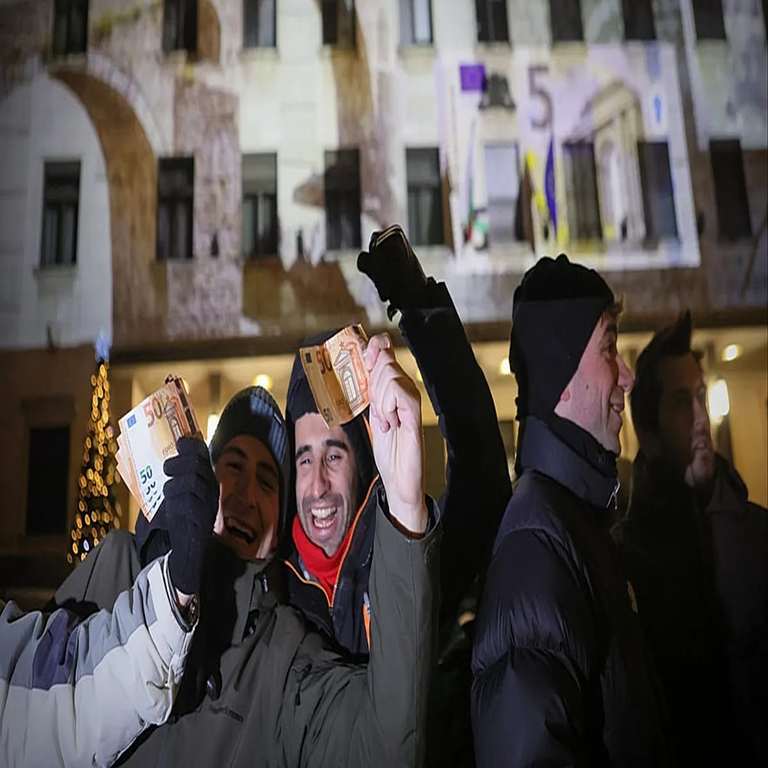
As the Netherlands prepares to implement a ban on unofficial fireworks, the surge in purchases leading up to this New Year's Eve highlights a cultural attachment to firework displays. The record spending of €129 million on fireworks reflects not only a tradition but also a resistance to impending regulatory changes. The substantial investment in fireworks could signify an underlying tension between individual freedoms and collective safety, raising questions about how societies negotiate these boundaries, particularly in times of heightened anxiety over public order.
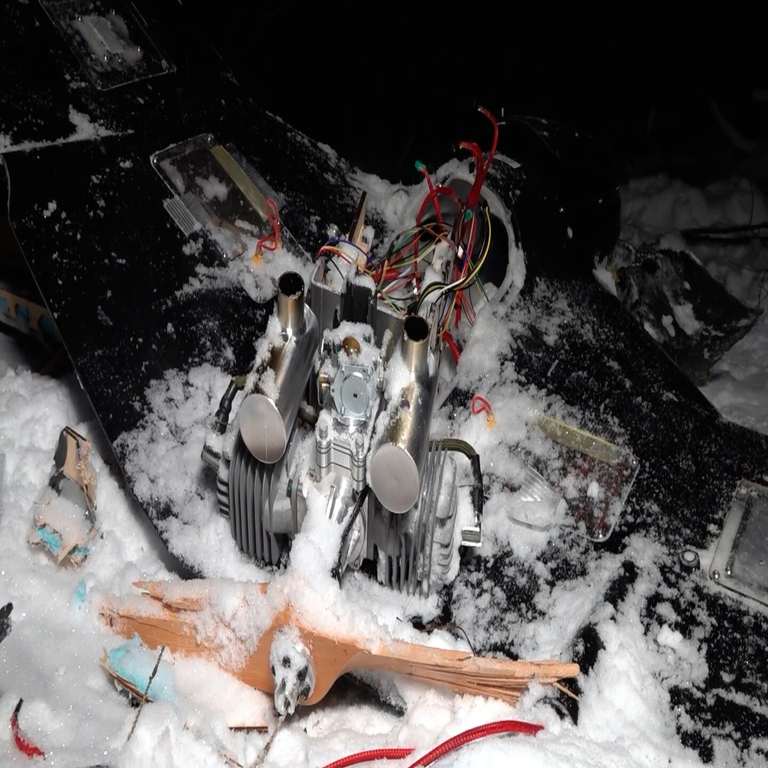
The violence against police and emergency services is particularly concerning. The reported escalation of attacks, including petrol bomb incidents, indicates a potential breakdown in the relationship between law enforcement and certain segments of the public. This deterioration in trust could have long-term implications for policing strategies and community engagement, necessitating a reevaluation of approaches to public safety and emergency response.
From a geopolitical perspective, the incidents in the Netherlands could reflect broader trends in Europe. The rise in civil disobedience, particularly during celebratory events, may resonate with growing discontent among populations facing economic pressures and social fragmentation. Such unrest can serve as a catalyst for broader movements, complicating the political landscape across the continent.
This situation also raises questions about the effectiveness of existing public safety frameworks. The rapid mobilization of a nationwide alert system indicates a reactive rather than proactive approach to public safety. The ability of law enforcement to manage large crowds during significant cultural events is crucial, and ongoing challenges could necessitate a reassessment of resource allocation and crisis management practices.
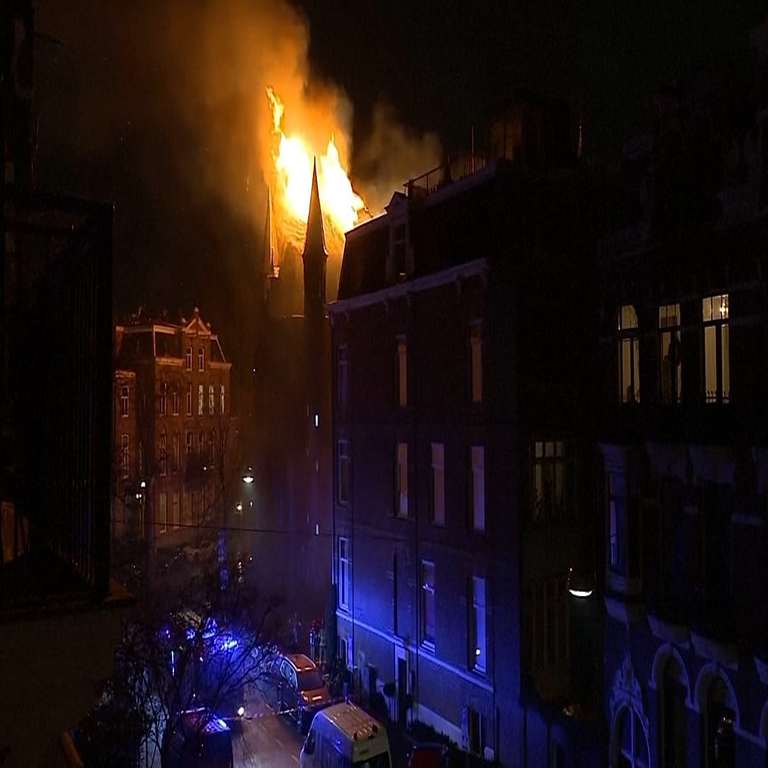
Furthermore, the occurrence of significant property damage, such as the fire that gutted a historic church in Amsterdam, underscores an additional layer of concern regarding cultural heritage preservation amidst civil unrest. The loss of such landmarks can have a lasting impact on community identity and cohesion, emphasizing the need for strategic planning in the preservation of cultural assets in volatile environments.
The implications of these events extend beyond national borders, as the Netherlands serves as a bellwether for broader European trends. Regional stability is often tied to perceptions of safety and security, and incidents of violence can ripple through neighboring countries, potentially influencing their social policies and law enforcement strategies. The interconnectedness of European nations suggests that domestic unrest can have transnational ramifications, affecting diplomatic relations and collaborative efforts on security.
So where does that leave things? the unprecedented violence in the Netherlands during the New Year’s celebrations is a multifaceted issue that raises critical questions about the fabric of society, the effectiveness of public safety measures, and the broader geopolitical landscape of Europe. The responses to these incidents will likely shape not only national policy but also the regional approach to managing civil unrest in the future.
Editor's note: This article was independently written by the Scoopliner Editorial Team using publicly available information.