Shifting Dynamics in the Israeli-Palestinian Conflict: Implications for Regional Stability
हिंदी में सुनें
Listen to this article in Hindi
Examining the geopolitical implications of U.S. concerns over Israeli West Bank policies and their impact on regional stability.
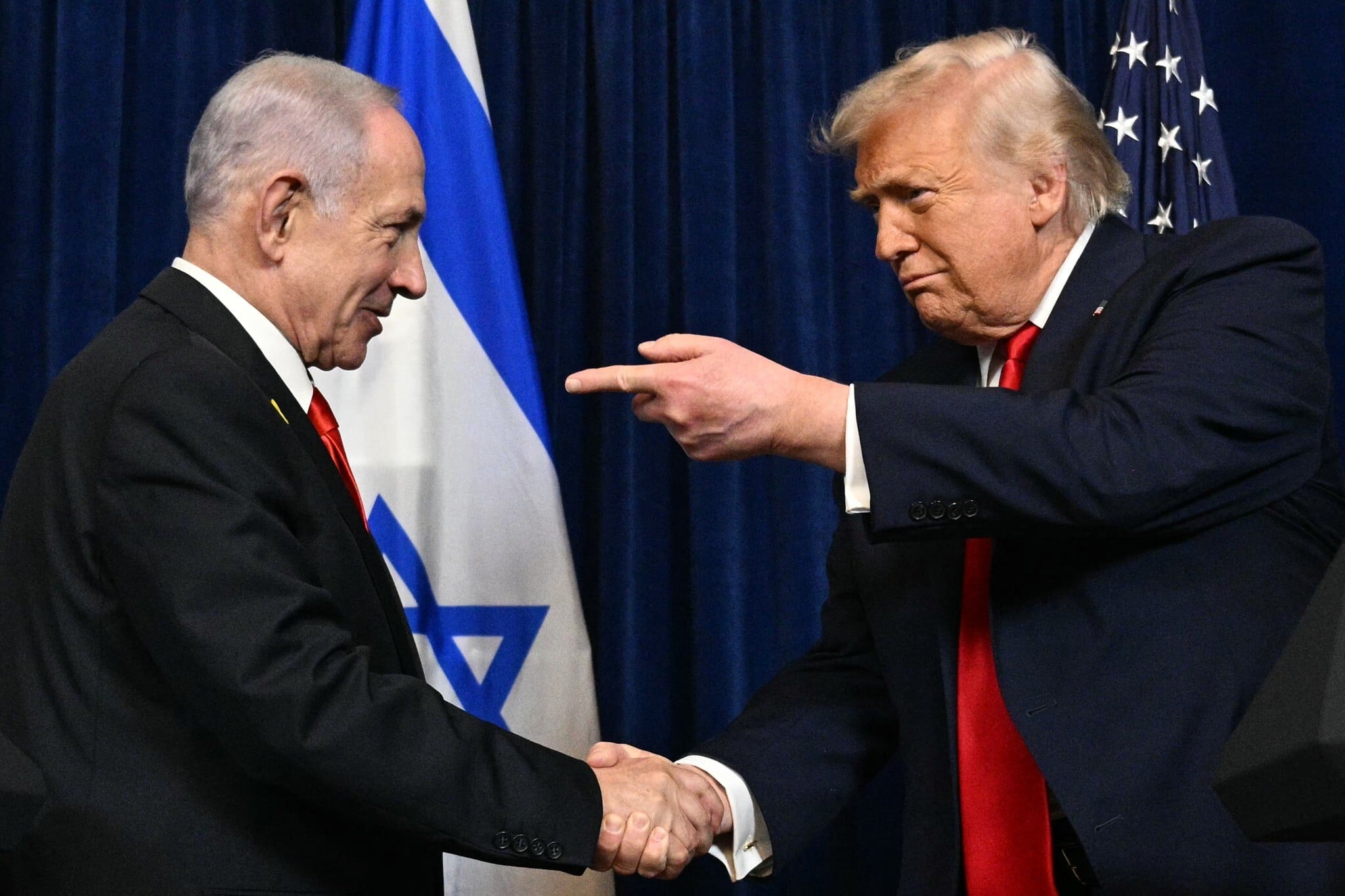
The Israeli-Palestinian conflict remains one of the most enduring and complex geopolitical challenges in the Middle East, significantly influencing regional stability and international relations. Recent discussions between U.S. officials and Israeli Prime Minister Benjamin Netanyahu highlight growing concerns regarding Israeli policies in the West Bank, particularly those related to settlement expansion and settler violence. This development is crucial, as it underscores a potential shift in U.S. engagement strategies amidst a backdrop of heightened tensions following the October 2023 Hamas attack.
Currently, the U.S. administration's apprehensions about Israeli actions are not simply about bilateral relations; they reflect broader strategic interests in the region. The West Bank has seen increased instability due to unchecked settler violence, which poses a challenge not only to Palestinian governance but also to the fragile security framework in Israel itself. The U.S. fears that prolonged instability in the West Bank could undermine recent attempts to stabilize the Gaza Strip and expand initiatives like the Abraham Accords, which aim to foster Arab-Israeli normalization.
In the context of U.S. foreign policy, the issue of withheld Palestinian Authority (PA) tax revenues adds another layer of complexity. The PA's financial viability is critical for maintaining a semblance of governance in Palestinian territories. The withholding of these funds, justified by the Israeli government under the assertion that they support terrorism, threatens to push the PA into a state of collapse. Such a scenario would likely lead to increased radicalization and violence, further complicating peace efforts.
Moreover, Netanyahu's coalition government is under significant pressure from far-right elements advocating for a more aggressive settlement policy. This internal political dynamic complicates the Israeli leadership's ability to respond to U.S. concerns without risking destabilization of their own governance. The challenge lies in balancing domestic political pressures with the need for international legitimacy and support, particularly from Washington.
The ramifications of these developments extend beyond the immediate Israeli-Palestinian context. The U.S. has vested interests in maintaining stability in the region, not only to safeguard its allies but also to prevent the spread of extremist ideologies that can be fueled by economic despair and political disenfranchisement. The intertwining of U.S. diplomatic efforts with Israeli policies indicates a potential recalibration of American strategies in response to regional dynamics.
Additionally, the global implications of U.S. engagement in the Israeli-Palestinian conflict are significant. As countries like China and Russia seek to expand their influence in the Middle East, the U.S. must navigate its relationships carefully, ensuring that its support for Israel does not alienate Arab nations essential for broader strategic partnerships. The balancing act becomes even more pressing as regional players react to perceived U.S. biases in the conflict.
In summary, the current U.S.-Israeli discussions regarding West Bank policies highlight a critical moment in Middle Eastern geopolitics. The interaction between U.S. concerns, Israeli domestic politics, and the broader implications for regional stability calls for careful observation. The outcomes of these dialogues will likely influence not only the trajectory of the Israeli-Palestinian conflict but also the U.S.'s role and credibility in the Middle East moving forward.
Understanding these dynamics is essential for comprehending the complexities of international relations in a region marked by persistent conflict and shifting alliances. As the situation evolves, the international community must remain vigilant and engaged, recognizing the interconnectedness of local actions and global consequences.
Editor's note: This article was independently written by the Scoopliner Editorial Team using publicly available information.