Sikandar Raza's Personal Tragedy Amidst Professional Challenges
हिंदी में सुनें
Listen to this article in Hindi
An analysis of the impact of personal tragedy on Sikandar Raza's cricketing performance and Zimbabwe's T20 landscape.
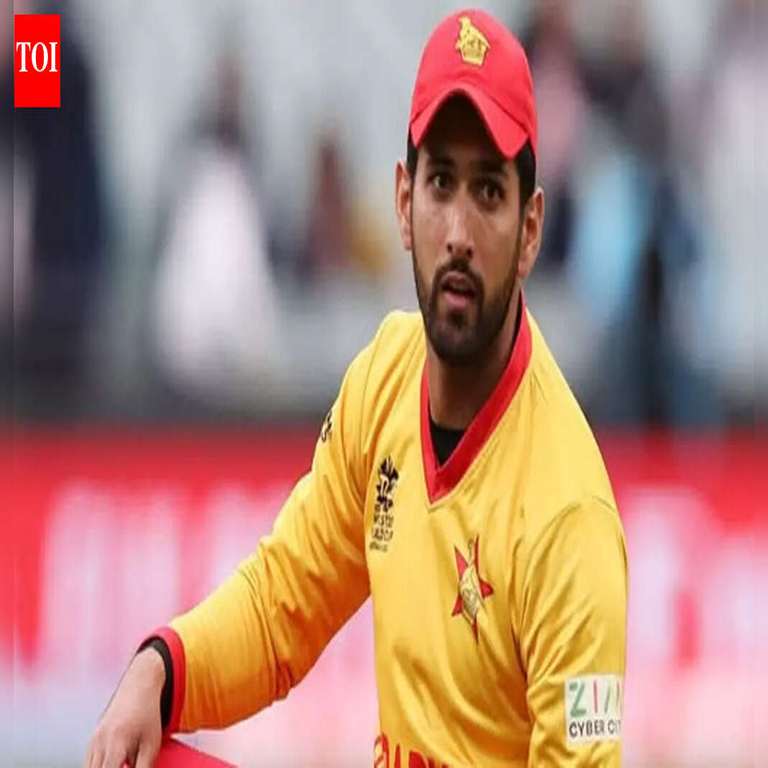
The recent passing of Muhammad Mahdi, the younger brother of Zimbabwe T20I captain Sikandar Raza, has resonated deeply within the cricket community, marking a moment of profound personal loss for the cricketer. As Raza navigates this difficult phase, it is crucial to analyze how such tragic events can influence an athlete's performance and the broader implications for the Zimbabwean cricket team.
Raza's recent performances in the ILT20 2025, where he played for the Sharjah Warriorz, reflect a player in form, having amassed 171 runs and taken 10 wickets across 10 matches. That said, the reality is a bit more complicated. the emotional toll from his brother's passing can impact both mental fortitude and physical performance, critical factors in high-stakes tournaments. Athletes are often expected to compartmentalize personal life from professional responsibilities, but the reality is that such tragedies can lead to decreased focus and performance consistency.
Zimbabwe Cricket's statement expressing condolences illustrates the organization's solidarity with Raza during this tough time. It also highlights the potential for team dynamics to shift, as players often rally around their captain in times of personal crisis. This unity may serve as a double-edged sword; while it can provide emotional support, it also places additional pressure on Raza to perform, potentially affecting his contributions on the field.
In terms of tactical implications, Raza's leadership will be tested in upcoming fixtures. As a captain, he must balance his grief with the responsibilities of guiding a team that is still finding its footing in international T20 cricket. His performance in the next tournaments will be closely monitored, as it could influence both his personal trajectory and the team's morale and performance outcomes.
Furthermore, the psychological resilience of Raza can serve as a case study for sports psychologists and coaches, emphasizing the importance of mental health support for athletes facing personal tragedies. The impact of Raza’s loss may also influence how Zimbabwe Cricket addresses player welfare in the future, potentially leading to more robust support systems during periods of personal hardship.
The cricketing world often emphasizes physical performance, but Raza's situation sheds light on the psychological aspects that can significantly affect an athlete's output. As he navigates this challenging period, it remains to be seen how he adapts both personally and professionally, and how this may affect Zimbabwe's performance in upcoming matches.
In summary, the intersection of personal tragedy and professional obligations is complex and fraught with challenges. Raza's ability to manage this delicate balance will be critical as Zimbabwe seeks to establish consistency in their T20 performances.
Editor's note: This article was independently written by the Scoopliner Editorial Team using publicly available information.