Decoding Market Volatility: Beyond the Daily NIFTY50 Dance
हिंदी में सुनें
Listen to this article in Hindi
Beyond daily market fluctuations: Understanding NIFTY50's role, investor risks, and the broader economic implications for informed decision-making.
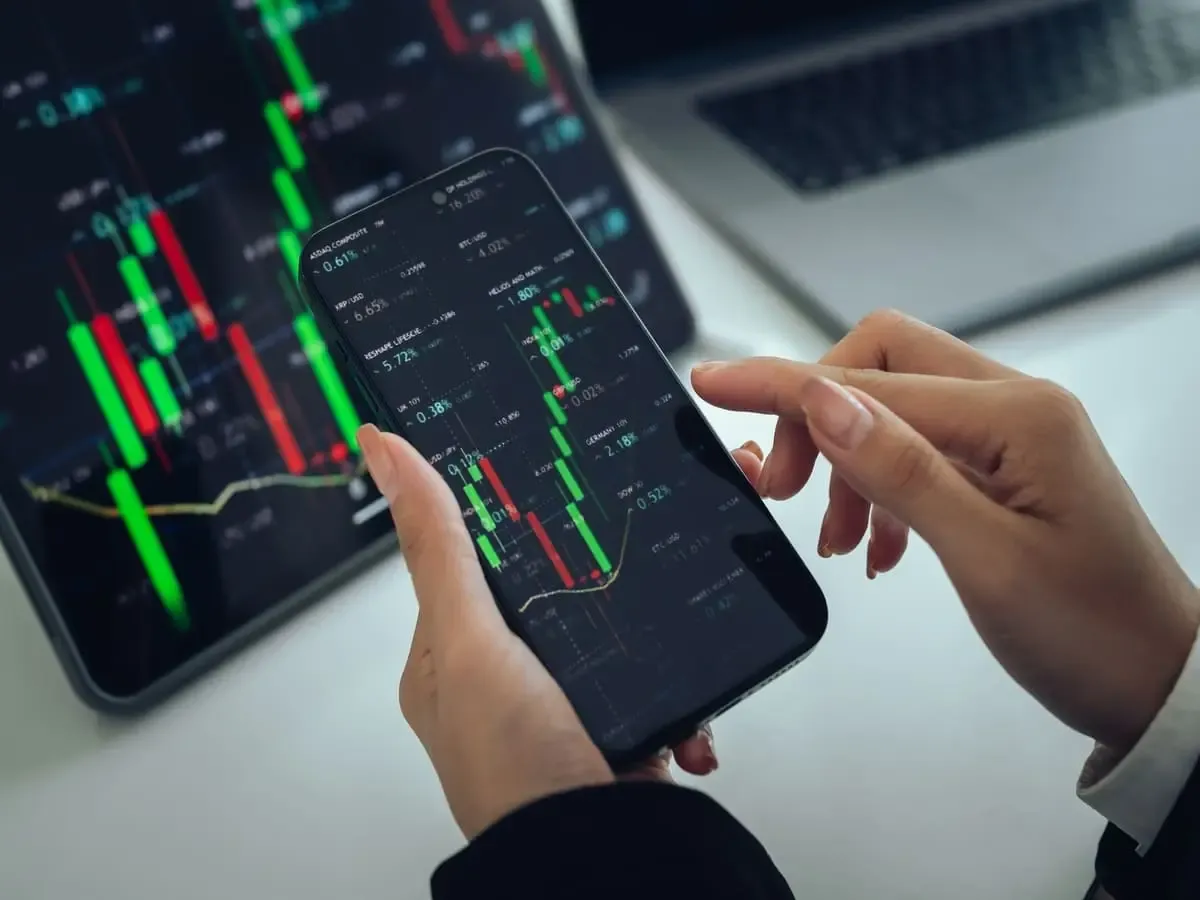
The daily dance of the NIFTY50, with its minute-by-minute fluctuations, often dominates financial headlines. But what does this constant movement *really* mean for the average Indian investor, and how does it ripple through the broader economy? It's easy to get caught up in the short-term frenzy, but a more comprehensive understanding of market dynamics is crucial for making informed decisions and mitigating potential risks. This goes beyond simply tracking whether the NIFTY50 manages to "hold gains" on any given day. It's about understanding the forces at play, the inherent risks, and the protections available to investors.
One of the most significant concerns highlighted by recent data is the high percentage of individual traders experiencing losses in the Futures and Options (F&O) segment. The allure of quick profits often overshadows the complexity and inherent risks involved in derivatives trading. Many retail investors, lured by tips or lacking adequate knowledge, venture into this arena and suffer significant financial setbacks. This underscores the critical need for enhanced financial literacy and a cautious approach to leveraged products. The ease of access to trading platforms, while democratizing investment, also necessitates responsible investing practices.
The Securities and Exchange Board of India (SEBI) plays a crucial role in safeguarding investor interests and maintaining market integrity. Initiatives like the SCORES portal for complaint redressal and the establishment of an Online Dispute Resolution (ODR) portal demonstrate SEBI's commitment to providing investors with accessible avenues for resolving grievances. These measures are particularly important in an environment where unauthorized investment advisors and unsolicited tips can easily mislead unsuspecting individuals. SEBI's emphasis on KYC (Know Your Customer) compliance and investor awareness campaigns are also vital in preventing fraudulent activities and promoting responsible investing. It's also worth reviewing some basic investing strategies to ensure you're making the right choices.
The economic implications of market volatility extend far beyond individual investors. A stable and well-regulated stock market is essential for attracting both domestic and foreign investment, which in turn fuels economic growth. When market participants lose confidence due to excessive volatility or fraudulent practices, it can have a chilling effect on investment activity and overall economic sentiment. This highlights the importance of maintaining transparency, enforcing regulations, and fostering a culture of ethical conduct within the financial industry. A strong [Indian economy](/indian-economy) relies on investor confidence.
That said, the reality is a bit more complicated. regulation isn't a panacea. Over-regulation can stifle innovation and discourage legitimate investment activity. Finding the right balance between protecting investors and fostering a dynamic and competitive market is a constant challenge for regulators. The ongoing evolution of financial technology and the emergence of new investment products require a flexible and adaptive regulatory framework. This also includes understanding the impact of [RBI policy](/rbi-policy-explainer) on market dynamics.
Furthermore, investors need to take responsibility for their own financial well-being. Relying solely on tips or blindly following the advice of unauthorized advisors can have disastrous consequences. Taking the time to educate oneself about different investment options, understanding risk tolerance, and developing a well-defined investment strategy are crucial steps towards achieving financial goals. The availability of information is no longer the barrier; it's the ability to critically evaluate that information and apply it prudently.
One of the limitations of focusing solely on the NIFTY50 is that it only represents a subset of the Indian stock market. While it's a key indicator, it doesn't provide a complete picture of the overall economic health or the performance of smaller companies. Investors should consider diversifying their portfolios across different asset classes and market segments to mitigate risk. Also, market predictions, even from reputable sources, should be viewed with skepticism. No one can consistently predict the future, and relying solely on forecasts can lead to poor investment decisions.
So where does that leave things? navigating the complexities of the stock market requires a combination of regulatory oversight, investor education, and individual responsibility. While the daily fluctuations of the NIFTY50 may capture headlines, a deeper understanding of market dynamics, risk management, and investor protection is essential for long-term financial success and a healthy Indian economy. This means going beyond the surface-level analysis and delving into the underlying forces that shape market behavior, fostering a more informed and resilient investment landscape.