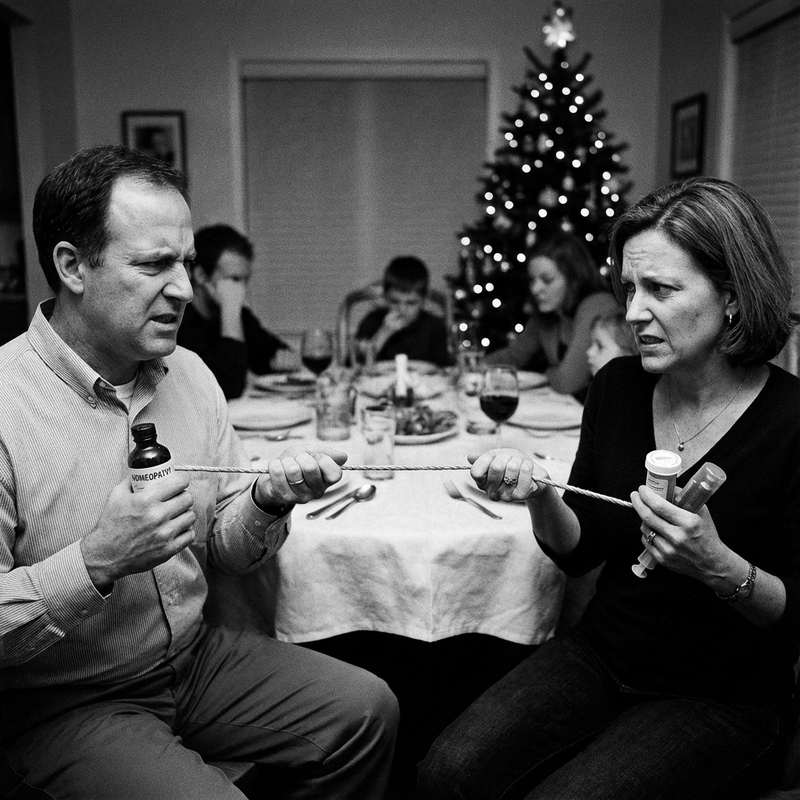
The Ethical Tightrope: Navigating Family Relationships Amidst Differing Health Beliefs
हिंदी में सुनें
Listen to this article in Hindi
Examining the complex ethical and public health implications of navigating family relationships when differing health beliefs create conflict and potential risk.
The intersection of personal autonomy and public health is rarely as acutely felt as within the context of family relationships. When loved ones hold fundamentally different beliefs about health practices, such as vaccination, the resulting tension can create significant ethical and practical challenges. These situations force individuals to weigh their personal values, familial obligations, and concerns for the well-being of themselves and others. The choices made within these familial microcosms can have ripple effects, influencing community health and shaping broader societal attitudes toward preventative medicine.
At the heart of these dilemmas lies the concept of risk perception. Individuals often assess risks differently based on their personal experiences, cultural background, and trust in various sources of information. For example, vaccine hesitancy, a complex phenomenon influenced by factors ranging from misinformation to distrust in medical institutions, can lead some parents to forgo recommended childhood immunizations. This decision, while stemming from perceived concerns about vaccine safety, can increase the risk of vaccine-preventable diseases, not only for their own children but also for the broader community, particularly vulnerable populations such as infants too young to be vaccinated or individuals with compromised immune systems. Understanding how risk perception influences health-related decisions is crucial for public health officials seeking to promote informed decision-making and address vaccine hesitancy.
Furthermore, these family conflicts highlight the importance of health literacy. When individuals lack a clear understanding of scientific concepts, statistical data, and the principles of evidence-based medicine, they may be more susceptible to misinformation and less equipped to critically evaluate health claims. Public health initiatives aimed at improving health literacy can empower individuals to make informed decisions about their health and the health of their families. These initiatives can include educational campaigns, community outreach programs, and partnerships with trusted messengers, such as healthcare providers and community leaders, to disseminate accurate and accessible information.
The ethical considerations extend beyond individual choices and touch upon the responsibility of healthcare systems to provide clear, unbiased information and support informed decision-making. Healthcare providers play a vital role in addressing patient concerns, debunking myths, and fostering trust in medical recommendations. Effective communication strategies, such as motivational interviewing, can help healthcare providers engage in respectful dialogue with patients who hold differing beliefs, explore their concerns, and provide evidence-based information in a non-confrontational manner. This approach recognizes the importance of patient autonomy while also upholding the ethical obligation to promote public health.
Examining the impact of individual health decisions on community health underscores the importance of collective responsibility. While individuals have the right to make choices about their own health, these choices can have consequences for others, particularly in the context of infectious diseases. Public health policies, such as mandatory vaccination requirements for school attendance, are often implemented to protect the health of the community as a whole, balancing individual liberties with the collective good. These policies are frequently subject to legal and ethical debate, reflecting the ongoing tension between individual autonomy and public health imperatives. Considering the broader public health context, including disease surveillance, outbreak response, and the role of public health agencies, is crucial for understanding the rationale behind these policies. A deeper look into disease prevention strategies reveals the critical role vaccines play in safeguarding communities.
Navigating family relationships amidst differing health beliefs requires empathy, open communication, and a willingness to understand different perspectives. While it may not always be possible to bridge fundamental differences, fostering respectful dialogue and seeking common ground can help mitigate conflict and preserve relationships. Prioritizing the safety and well-being of vulnerable family members, particularly children, is paramount. The rise of misinformation and the erosion of trust in institutions pose significant challenges to public health. Strengthening health literacy, promoting evidence-based decision-making, and fostering open communication are essential for navigating these challenges and building a healthier, more informed society. Understanding the role and responsibilities of public health organizations can help individuals make informed choices and contribute to the well-being of their communities.
Editor’s note: This article was independently written by the Scoopliner Editorial Team using publicly available information.