Silver's Industrial Ascent: Reshaping India's Investment Landscape Beyond Tradition
हिंदी में सुनें
Listen to this article in Hindi
Global demand for silver in green tech is transforming its market role. This analysis explores how this shift impacts Indian investor perception and market dynamics.
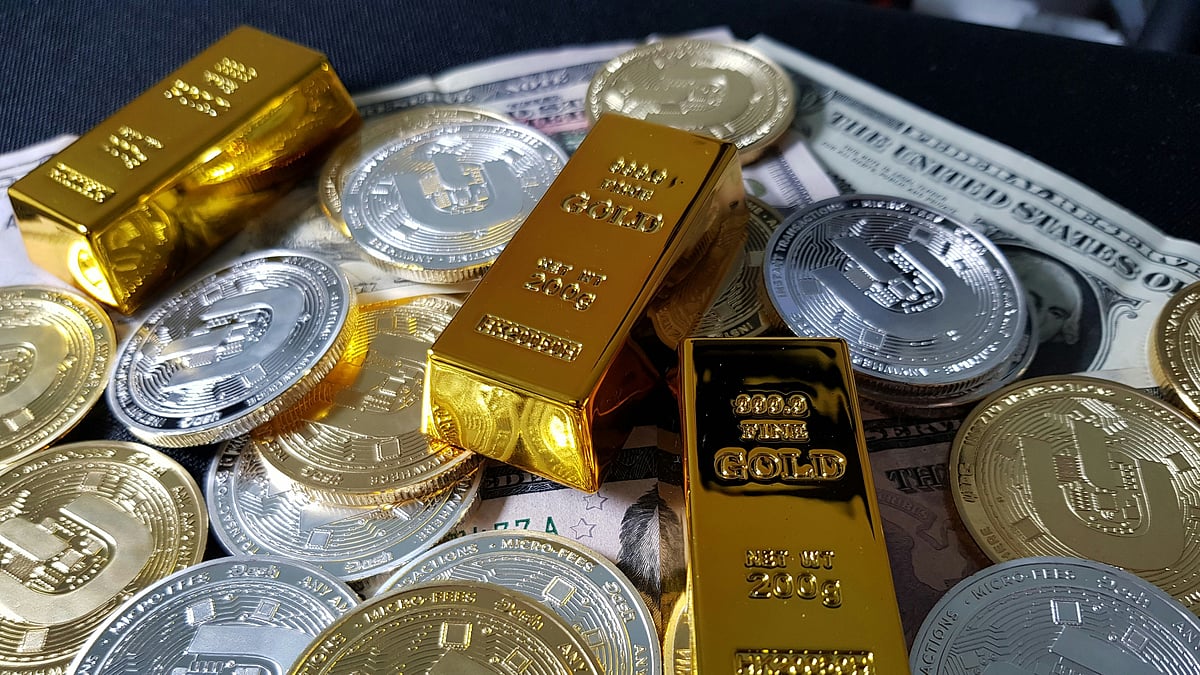
The narrative surrounding silver is undergoing a profound transformation, moving beyond its age-old identity as merely a precious metal or a hedge against inflation. A powerful confluence of global economic forces and technological evolution is repositioning silver as an indispensable industrial commodity, prompting a strategic re-evaluation among sophisticated investors worldwide, including those in India.
Historically revered for its lustre and monetary value, silver has long held a place in Indian households as jewellery and a store of wealth. That said, the reality is a bit more complicated. the contemporary drivers of its market strength are increasingly rooted in its unique physical properties – superior electrical and thermal conductivity, reflectivity, and antibacterial qualities – which make it critical to the burgeoning green economy and high-tech sectors. This shift in its fundamental utility is creating a new paradigm for its valuation and market behaviour, distinctly different from a purely speculative or traditional safe-haven asset.
The global push towards decarbonisation and technological advancement serves as a primary catalyst for this evolving perspective. Silver is an essential component in photovoltaic cells for solar panels, electrical contacts in electric vehicles, 5G technology infrastructure, and numerous other cutting-edge applications. As nations commit to renewable energy targets and digital transformation, the industrial demand for silver is poised for sustained growth, creating a structural supply-demand dynamic that could underpin its long-term value. This sustained fundamental appetite is a powerful engine, complementing the transient influences of monetary policy.
Concurrent with this industrial metamorphosis, global monetary policy expectations are also playing a significant role in silver's re-emerging prominence. The anticipation of global monetary easing, often signalled by potential interest rate adjustments from major central banks, tends to enhance the appeal of non-yielding assets. That said, the reality is a bit more complicated. for silver, this effect is now amplified by its industrial indispensability. Investors are increasingly viewing silver not just as an alternative to currency devaluation, but as a dual-purpose asset offering both a traditional store of value and exposure to the growth vectors of the future economy. This dual appeal makes its trajectory particularly compelling.
For the Indian market, these global shifts carry substantial implications. India is a significant consumer of silver, both for traditional uses and, increasingly, for its burgeoning electronics manufacturing and solar energy sectors. A globally buoyant silver market translates directly into higher import costs for Indian industries reliant on the metal. Conversely, it also elevates the intrinsic value of physical silver held by Indian households, though the primary impact on the broader economy leans towards managing input costs for critical manufacturing segments. The interplay between global prices and domestic consumption patterns creates a complex economic ripple effect across the value chain.
Furthermore, the evolving global narrative is beginning to reshape investor sentiment within India. While physical silver has always been a trusted asset, the informed retail investor is now faced with a decision framework that extends beyond mere hedging. The prospect of silver as a growth-oriented commodity, tied to the future of clean energy and technology, introduces a new dimension to portfolio diversification. This necessitates a deeper understanding of market fundamentals, technological trends, and global supply chains, moving beyond traditional anecdotal wisdom. Prudence and independent analysis are paramount in navigating this evolving landscape.
The broader implications for the [Indian economy or market structure context] are noteworthy. A sustained upward trajectory in silver, driven by industrial demand, could influence India's balance of trade, particularly as the nation ramps up its own manufacturing capabilities in green technologies. It also adds a layer of complexity for policymakers balancing inflation concerns with industrial growth imperatives. The Reserve Bank of India’s stance on interest rates, for instance, must consider a multitude of global and domestic factors, and the strengthening commodity cycle is an increasingly relevant input. Readers can gain deeper insights into these policy mechanisms by exploring an [RBI policy or interest-rate explainer].
Naturally, the journey of any commodity is not without volatility. Price movements can be influenced by supply chain disruptions, geopolitical events, and shifts in technological adoption rates. While the long-term industrial demand narrative appears robust, short-term market fluctuations are inherent. Investors must therefore approach silver, like any other asset, with a thorough understanding of its underlying drivers and potential risks, integrating it thoughtfully into a diversified portfolio rather than viewing it as a guaranteed rapid return vehicle.
The equity markets also reflect these shifts. Companies involved in solar panel manufacturing, electronic component production, or even specialized mining ventures could see their valuations influenced by the evolving silver narrative. Understanding how these macro trends translate into corporate performance requires a grasp of [Stock market basics] and diligent sector-specific analysis. The reclassification of silver’s strategic importance signals a broader recalibration in how industrial metals are valued, presenting opportunities and challenges across the investment spectrum.
So where does that leave things? silver's ascension to a strategically critical industrial commodity, rather than just a precious metal, marks a pivotal moment. For Indian investors, this paradigm shift necessitates a re-evaluation of its role within their investment strategy, moving beyond traditional cultural value to embrace its economic significance in a technologically advanced and decarbonising world. The emphasis remains on informed decision-making, grounded in a comprehensive understanding of both global market dynamics and their specific impacts on the Indian economic landscape.
Editor’s note: This article was independently written by the Scoopliner Editorial Team using publicly available information.