Santa Susana: Was This the Worst Nuclear Disaster in US History?
हिंदी में सुनें
Listen to this article in Hindi
A 1959 meltdown at the Santa Susana Field Lab may have released far more radiation than Three Mile Island. The site's legacy of contamination continues.
Most people associate nuclear disasters with Chernobyl or Fukushima. That said, the reality is a bit more complicated. the most severe nuclear accident in American history may have occurred in 1959, in the hills outside Los Angeles. A reactor experiment at the Santa Susana Field Laboratory (SSFL) resulted in a partial meltdown, potentially releasing up to 300 times more radiation than the Three Mile Island incident. The consequences of this event continue to affect the region six decades later.
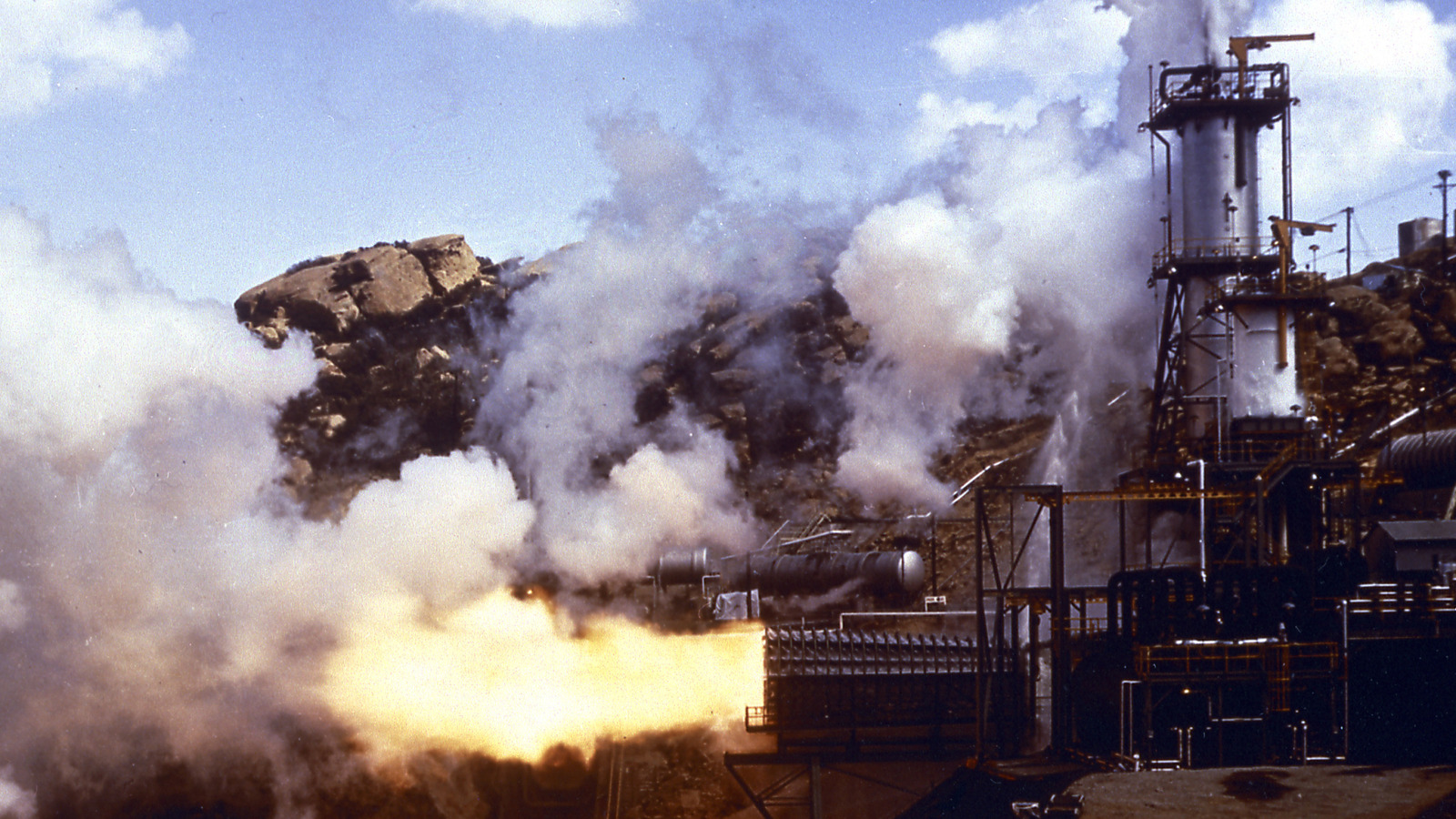
Formerly known as Rocketdyne, the SSFL was a hub of innovation during America's post-war boom. The facility continued operations until 2006, even after the 1959 accident. Despite this, thorough cleanup efforts have lagged. Environmental advocates cite the site's pollution as evidence of governmental failure to protect communities. The current corporate owners, Boeing, are looking to transform the former nuclear site into a nature reserve, dismissing contamination concerns as exaggerated. Activists counter that this plan would reduce decontamination requirements, leaving toxic pollutants in place.
The Santa Susana disaster highlights the dangers associated with America's expanding nuclear energy sector. The story involves secret military research, alleged cover-ups, and a protracted, bureaucratic cleanup process. The incident even inspired an award-winning documentary, "In the Dark of the Valley." Sixty years later, Santa Susana raises vital questions regarding government transparency, corporate accountability, and environmental protection, especially as the US explores advanced nuclear power technologies.
On July 13, 1959, workers at Area IV of the SSFL noticed dangerously high temperatures in the reactor. To prevent a runaway reaction, they inserted control rods and vented radioactive gas. After the reactor cooled, the team restarted it, unaware that a partial meltdown was still occurring. Lacking modern containment structures, scientists diluted and filtered fission products before releasing them through a ventilation system. An estimated 130 to 13,000 curies of iodine-131 and 260 to 2,600 curies of cesium-137 entered the atmosphere. By comparison, Three Mile Island released only 17 curies of iodine-131. The wide range of estimates highlights the uncertainty surrounding the accident's true scale.
News of the disaster remained hidden from the public for two decades. In the late 1970s, UCLA student Michael Rose uncovered Atomic Energy Commission records detailing the accident and its subsequent cover-up. Over the next half-century, at least three more incidents occurred at the site's ten nuclear reactors. The lab also released contaminants through its "hot lab," where nuclear fuel and reactor components were disassembled. Furthermore, the plutonium fuel fabrication facility illegally burned contaminated materials in open pits, releasing toxins near populated areas. Millions of gallons of toxic chemicals from rocket tests seeped into the soil and water, spreading into nearby communities via stormwater runoff and wind.
Scientific opinions differ regarding the impact of the site's toxins on local communities. A 1997 UCLA study linked SSFL worker deaths to radiation-related cancers. That said, the reality is a bit more complicated. a Boeing-funded study eight years later found no significant connection. In 2007, University of Michigan researchers reported a 60% increase in specific cancers within two miles of the lab, while a 2014 USC study found no supporting evidence.
In an attempt to address the potential contamination, the California EPA reached agreements with NASA and the Department of Energy to clean up the facility by 2017. Boeing, the current site owner, did not sign a similar agreement, and the deadline passed without significant cleanup progress. A wildfire that began at the lab site in 2018 spread toxic waste across the area, blanketing communities with radioactive smoke and spreading contamination over nine miles. Critics have accused the California Department of Toxic Substance Controls, the agency responsible for overseeing the cleanup, of allowing much of the site's contamination to persist.
In 2022, California regulators imposed stricter cleanup requirements on Boeing. In December 2025, the Los Angeles Water Board took steps to hold Boeing accountable for these standards, proposing a fine of nearly $600,000 for contaminated stormwater runoff. This action followed a court ruling against Boeing's challenge to the stricter contamination standards. Whether these measures will lead to a comprehensive cleanup as the site transitions into a nature reserve remains to be seen.