The Silver Squeeze: A Geopolitical Barometer for India's Economic Horizon
हिंदी में सुनें
Listen to this article in Hindi
Global silver supply constraints, driven by geopolitical shifts and rising industrial demand, pose significant implications for India's inflation, green energy ambitions, and strategic commodity security. An analytical deep dive for informed investors.
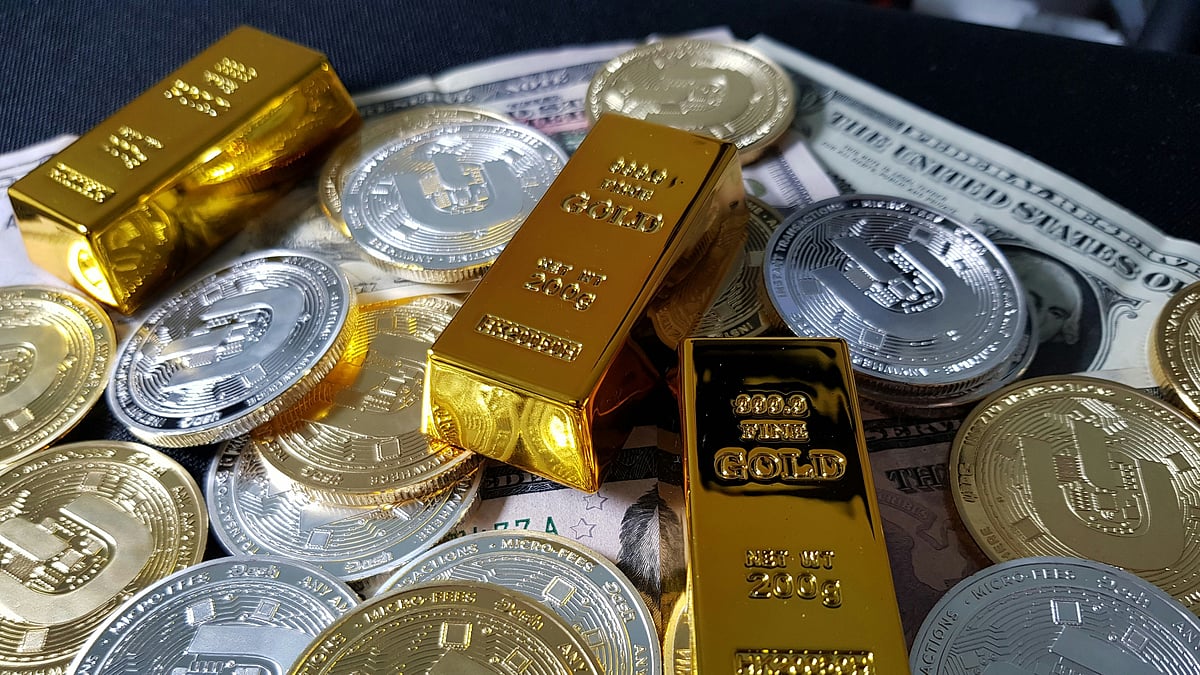
The quiet glint of silver, often overshadowed by gold's allure, is now reflecting a more complex and potentially disruptive reality for the global economy, with significant reverberations for India. Far from a mere safe-haven asset, silver's critical role in a burgeoning industrial landscape, coupled with evolving geopolitical strategies from key suppliers, is setting the stage for a unique market dynamic. This unfolding scenario is not just about the price of a precious metal; it serves as a potent barometer for India's economic resilience, its inflationary trajectory, and the strategic underpinnings of its ambitious green energy transition.
Globally, the silver market is witnessing an unprecedented confluence of factors. For years, demand has outstripped supply, creating a structural deficit that the mining sector, largely producing silver as a byproduct of other metals, struggles to address. This persistent gap has been exacerbated by relentless industrial demand, particularly from sectors vital to the modern economy—solar panels, electric vehicles, and advanced electronics all rely heavily on silver's unique conductive properties. There is simply no cost-effective substitute for silver in many of these applications, making its supply non-negotiable for future growth industries. This intrinsic demand clash with limited new supply channels sets a precarious global stage.
Adding a layer of geopolitical complexity, a dominant global supplier is now signalling a shift in its export policies for silver, echoing past strategies seen with rare earth elements. Such moves fundamentally alter the global supply chain equilibrium, turning a market shortage into a potential choke point. When a nation controlling a significant portion of a critical commodity's supply implements licensing requirements that favor large state-approved entities, it effectively restricts the free flow of that commodity. This tactical manoeuvre isn't merely about revenue; it's about strategic control over essential inputs for global manufacturing, inherently introducing new risks of supply volatility and price escalation for nations reliant on imports.
For India, a nation undergoing rapid industrialization and committed to aggressive renewable energy targets, this global silver squeeze carries profound implications. First and foremost is the inflationary pressure. India is a significant net importer of industrial commodities. Any sustained surge in the price of essential inputs like silver directly feeds into manufacturing costs, from consumer electronics to solar infrastructure. This imported inflation can erode purchasing power, impact corporate margins, and complicate the Reserve Bank of India’s (RBI) delicate balancing act between fostering growth and containing price rises. The RBI's monetary policy decisions, often influenced by the inflationary outlook, could find themselves in a tighter spot, potentially impacting borrowing costs across the economy. [Explore how RBI policy impacts the Indian economy here.]
Secondly, the situation highlights India's strategic vulnerabilities in its green energy transition. India has ambitious goals for solar power capacity, with silver being a non-negotiable component in photovoltaic cells. A constricted and expensive silver supply could significantly increase the cost of solar panel production, potentially slowing down the pace of renewable energy adoption. This not only threatens India's energy security but also risks derailing its environmental commitments. The unfolding scenario underscores the urgent need for India to diversify its sourcing, explore domestic resource extraction more aggressively, and invest in technologies that reduce reliance on such critically sensitive global supply chains.
The disconnect between the 'paper' market for commodities and the 'physical' reality is another critical dimension, creating an environment ripe for volatility. While futures markets exist to facilitate price discovery and hedging, an extreme imbalance between claims on a commodity and its actual physical availability can lead to sharp, unpredictable price movements. This divergence, as seen with physical premiums exploding in key markets, signals deep underlying stress. For Indian investors, understanding this distinction is vital, as it can generate significant market noise and lead to exaggerated swings in related equity sectors. It’s a reminder that fundamental supply-demand dynamics ultimately dictate long-term price trends, rather than short-term speculative movements. Investors must look beyond the immediate headlines to grasp the profound implications for sectors reliant on these metals, understanding the structural shifts at play in the broader Indian economy and its market structure. [Understand the foundational aspects of the Indian economy and market structure.]
So where does that leave things? the global silver squeeze transcends a mere commodity price rally; it is a clear signal of an evolving geopolitical landscape where critical minerals are becoming tools of strategic leverage. For India, this translates into a heightened need for supply chain resilience, robust domestic manufacturing capabilities, and a re-evaluation of its commodity import strategies. While it presents challenges, it also offers an imperative to accelerate innovation and strategic self-reliance. Informed investors must view this not as an isolated event, but as a microcosm of broader shifts that will continue to shape India's economic trajectory and market landscape in the years to come. Understanding these macro currents is crucial for navigating the opportunities and risks inherent in the dynamic Indian equity market. [Learn more about the basics of stock market investment.]
Editor’s note: This article was independently written by the Scoopliner Editorial Team using publicly available information.