Understanding NASA's Artemis II Mission: A Return to Lunar Exploration
हिंदी में सुनें
Listen to this article in Hindi
NASA's Artemis II mission aims to bring astronauts around the Moon, marking a significant milestone in space exploration.
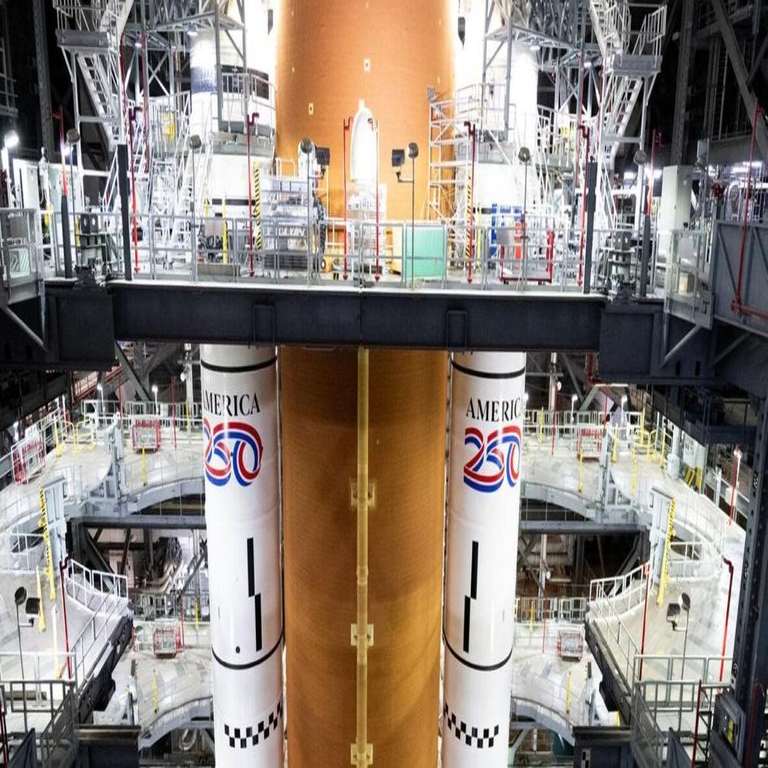
The Artemis II mission represents a pivotal moment in human space exploration, as it aims to send astronauts around the Moon for the first time in over fifty years. This mission is made possible by NASA's Space Launch System (SLS), a super-heavy-lift rocket that generates approximately 8.8 million pounds of thrust at liftoff. The SLS is designed to transport astronauts aboard the Orion spacecraft, which is equipped to support deep-space missions.
1. **The Rocket's Specifications**: The SLS is one of the most powerful rockets ever built, capable of carrying substantial payloads beyond low Earth orbit. Its design incorporates advanced technologies that have been developed over decades, ensuring that it meets the rigorous demands of crewed spaceflight.
2. **The Artemis Program**: The Artemis program aims to establish a sustainable human presence on the Moon, with the ultimate goal of preparing for future crewed missions to Mars. Artemis II is a crucial step in this broader initiative, as it will help validate systems and processes necessary for long-duration space travel.
3. **Mission Timeline**: NASA has indicated that the launch window for Artemis II could begin as early as February 5, 2024, extending through late April. This timeline is contingent upon successful completion of final preparations and safety checks, which are essential for a mission of this magnitude.
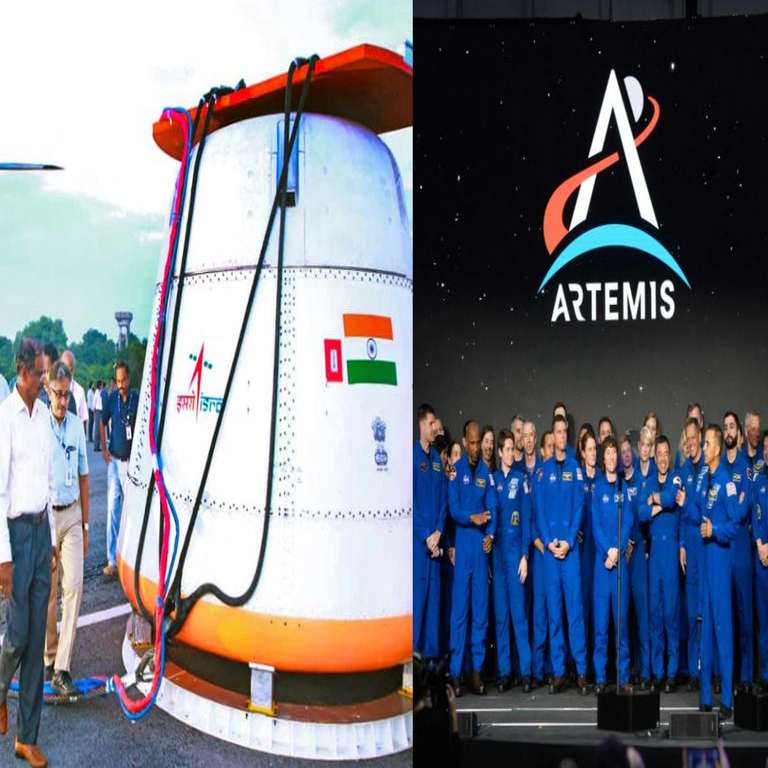
4. **The Crew**: The mission will carry four astronauts: Reid Wiseman, Victor Glover, Christina Koch, and Jeremy Hansen from Canada. Their journey will last approximately ten days, during which they will orbit the Moon and collect valuable data that will inform future missions.
5. **Scientific Objectives**: During their flight, the crew will assess the performance of the Orion spacecraft in deep space conditions. This will include evaluating life support systems, navigation, and communication technologies, which are critical for long-term human presence beyond Earth.
6. **Real-World Relevance**: The Artemis II mission is not only a technical achievement but also a significant step toward international collaboration in space exploration. It serves as a platform for scientific research and a potential model for future interplanetary missions.
7. **Limitations and Challenges**: While the Artemis II mission is poised to advance our understanding of human spaceflight, it is important to recognize the challenges inherent in such undertakings. Issues related to space radiation, microgravity effects on human health, and the psychological impact of long-duration missions remain areas of ongoing research.
8. **Future Implications**: The success of Artemis II could pave the way for subsequent Artemis missions, including Artemis III, which aims to land astronauts on the lunar surface. This would mark the first time humans have walked on the Moon since the Apollo program.
So where does that leave things? while the Artemis II mission is a significant milestone in the context of lunar exploration, it also highlights the complexities and challenges of human spaceflight. Continued research and development are essential to ensure the safety and success of future missions, as humanity looks to expand its presence beyond Earth.
Editor's note: This article was independently written by the Scoopliner Editorial Team using publicly available information.