The Implications of a Major Bank Heist in Germany
हिंदी में सुनें
Listen to this article in Hindi
Examining the recent €30m bank heist in Germany and its implications for crime, banking security, and regional stability.
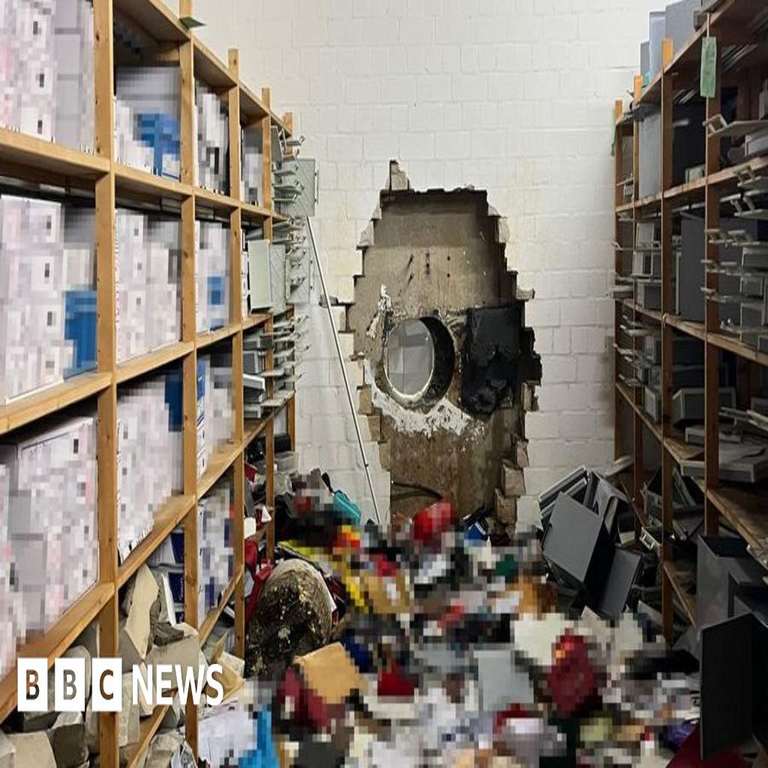
The recent heist at a Sparkasse savings bank in Gelsenkirchen, Germany, where thieves made off with approximately €30 million in cash and valuables, raises significant concerns regarding banking security and the evolving landscape of organized crime in Europe. This incident, reminiscent of cinematic portrayals of sophisticated heists, emphasizes the challenges faced by financial institutions in safeguarding customer assets amidst a backdrop of increasing criminal ingenuity.
The timing and execution of this heist highlight a strategic use of holiday periods, which often coincide with reduced staffing and heightened vulnerability in financial institutions. This phenomenon is not isolated to Germany; similar trends have been observed globally, where criminal enterprises exploit seasonal lapses in security protocols. The ability of the perpetrators to breach the bank's vault using substantial equipment suggests an organized effort that may involve a network capable of significant logistical planning and resource allocation.
From a geopolitical standpoint, the implications of such a crime extend beyond immediate financial loss. As European nations grapple with issues of security, this incident may provoke heightened scrutiny on banking infrastructure and regulatory measures designed to protect against theft and fraud. The European Union has been pushing for more stringent financial regulations to mitigate risks associated with cyber and physical security breaches. This heist could act as a catalyst for further policy discussions and potential reforms within the banking sector.
The nature of the theft also points to the evolution of criminal behavior, where traditional methods are being supplanted by more sophisticated techniques. Criminal organizations are increasingly leveraging technology and organized networks, reflecting larger trends of globalization and interconnectedness that facilitate the cross-border movement of illicit activities. This incident serves as a reminder of the persistent risks posed by organized crime, which can destabilize local economies and erode public trust in financial institutions.
Moreover, the incident is likely to impact consumer behavior and perceptions of safety within the banking sector. Customers, now faced with the reality that their safe deposit boxes were compromised, may reassess their trust in banking institutions and consider alternative forms of asset protection. This could lead to a shift in the market dynamics of personal banking, where customers seek enhanced security features or alternative storage solutions, such as private vault services.
In the broader context of European security, this heist underscores the necessity for enhanced cooperation among law enforcement agencies across borders. The mobility of criminals and their ability to operate across jurisdictions highlight the importance of information sharing and collaborative efforts to combat organized crime. The effectiveness of police investigations in the wake of such incidents can also influence public confidence in law enforcement capabilities to handle complex criminal operations.
As investigations unfold, the financial repercussions for the bank and its customers are expected to be significant. The bank's assurance of insurance coverage for the stolen assets may mitigate some financial losses, but the broader implications for customer trust and long-term business viability cannot be overlooked. The incident serves as a case study on the fragility of financial systems in the face of sophisticated criminal activities, prompting discussions about future resilience strategies.
So where does that leave things? the Gelsenkirchen bank heist not only highlights vulnerabilities within the banking sector but also raises important questions about the evolving nature of organized crime and its implications for security and regulatory frameworks. As financial institutions evaluate their defenses against such high-stakes thefts, the broader implications for consumer trust, law enforcement collaboration, and regulatory reforms will shape the future landscape of banking in Europe and beyond.
Editor's note: This article was independently written by the Scoopliner Editorial Team using publicly available information.