Maritime Drug Interdiction: The Murky Waters of Sovereignty and Enforcement
हिंदी में सुनें
Listen to this article in Hindi
US maritime drug interdiction policies in international waters reveal a complex interplay of sovereignty, enforcement challenges, and geopolitical considerations.
The ongoing struggle to combat the flow of narcotics across international waters highlights a fundamental tension between national security interests and the established principles of maritime sovereignty. While the United States, among other nations, asserts its right to interdict vessels suspected of drug trafficking, the practical application of this policy raises complex legal and geopolitical questions, particularly when these operations occur far from its own shores and involve citizens of other nations.
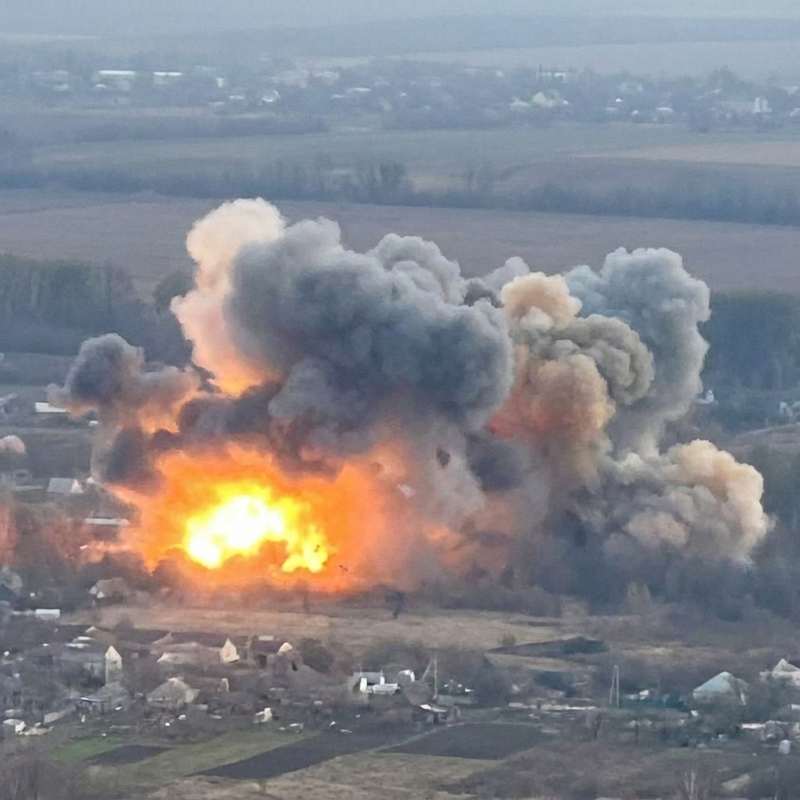
The case of the Ecuadorian mariner, apprehended but ultimately released after surviving a U.S. strike on a suspected drug smuggling vessel, underscores the challenges inherent in this approach. This incident, while seemingly isolated, reflects a broader pattern of engagement in the Caribbean and the Eastern Pacific, where the U.S. Coast Guard and Navy frequently operate in collaboration with partner nations. The legal justification for these actions often rests on bilateral agreements and interpretations of international maritime law. That said, the reality is a bit more complicated. these interpretations are not always universally accepted, leading to potential friction with countries whose citizens or vessels are involved.
The strategic implications extend beyond legal debates. Counter-narcotics operations serve as a tool of U.S. foreign policy, influencing relationships with countries in Latin America. While some nations welcome U.S. assistance in combating drug trafficking, others view these interventions with suspicion, perceiving them as infringements on their sovereignty or as driven by U.S.-centric security priorities. This divergence in perspective can complicate diplomatic relations and hinder broader cooperation on issues ranging from trade to regional security. The [world affairs background] of such operations is often rooted in decades of complex relationships.
Furthermore, the effectiveness of maritime interdiction as a strategy for combating drug trafficking is a subject of ongoing debate. While these operations can disrupt specific shipments and apprehend individual traffickers, they often fail to address the underlying economic and social factors that drive the drug trade. The focus on interdiction may simply shift trafficking routes and methods, leading to a cat-and-mouse game with limited long-term impact. A truly effective strategy would require a more comprehensive approach, including efforts to reduce demand for drugs in consumer countries, strengthen law enforcement capacity in producer countries, and address the root causes of poverty and inequality that make drug trafficking an attractive option for vulnerable populations.
Constraints on U.S. action are also evident. Overextension of resources, diplomatic sensitivities, and the potential for escalation limit the scope and intensity of these operations. The U.S. must carefully weigh the benefits of interdiction against the potential costs, both in terms of financial resources and diplomatic capital. The rise of other global powers, particularly China, further complicates the geopolitical landscape. China's growing economic and political influence in Latin America presents an alternative source of support for countries that may be wary of U.S. intervention. Considering [India’s global position], countries are strategically hedging their bets on global partnerships.
The release of the Ecuadorian mariner, despite initial pronouncements, highlights the practical and legal complexities of these operations. It suggests a degree of caution and restraint on the part of the U.S., perhaps reflecting a recognition of the limitations of its unilateral actions. Looking forward, a more nuanced and collaborative approach, one that prioritizes respect for national sovereignty and addresses the underlying drivers of the drug trade, is likely to be more effective in achieving long-term stability and security in the region. Understanding the [topic basics for readers] is crucial in forming judgements.
Ultimately, the success of maritime drug interdiction efforts hinges not only on tactical effectiveness but also on strategic alignment with the broader geopolitical landscape and a commitment to addressing the root causes of the drug trade.
Editor’s note: This article was independently written by the Scoopliner Editorial Team using publicly available information.