The trauma after the storm: Hurricane Melissa leaves trail of emotional devastation across Jamaica
हिंदी में सुनें
Listen to this article in Hindi
Hurricane Melissa's 185mph winds left a trail of emotional trauma across Jamaica, affecting 1.5 million people and overwhelming mental health resources.
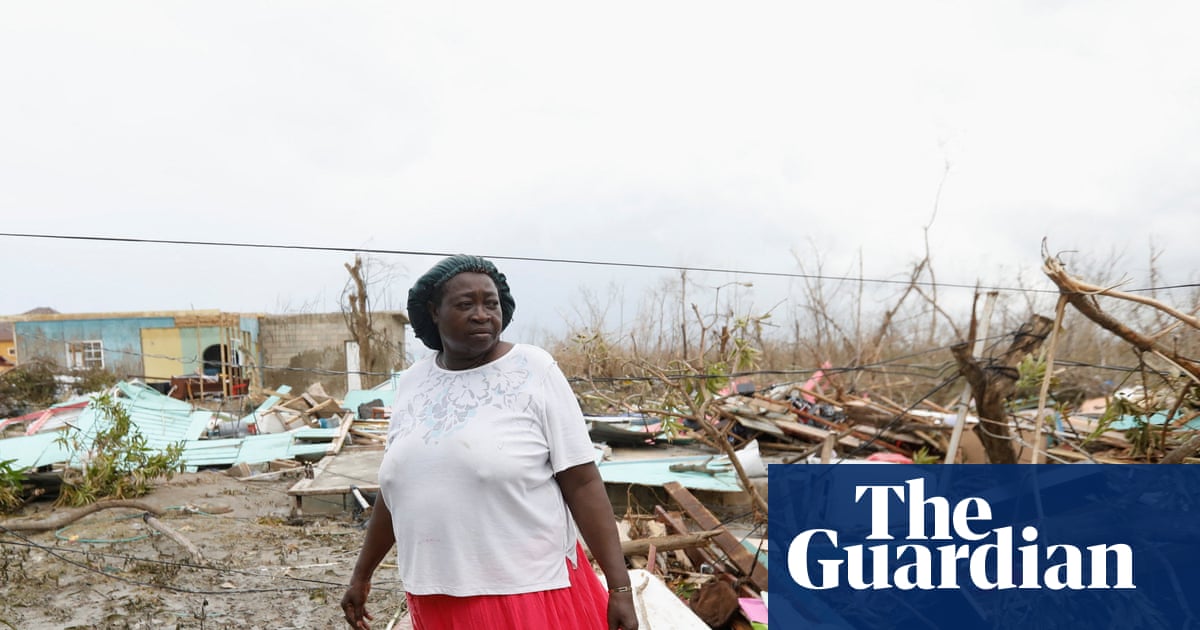
The devastation wrought by Hurricane Melissa in Jamaica extends far beyond the physical damage. When the category 5 storm slammed into the island on October 28th, packing winds of 185 mph, it left deep emotional scars on the 1.5 million people affected. The storm killed 32, destroyed homes and vital infrastructure like hospitals, and, as clinical psychologist Toni-Jan Ifill recognized immediately, created a potential mental health crisis.
Even a month and a half after the hurricane, which also impacted eastern Cuba, the trauma persists. Ifill notes that staff at the University Hospital of the West Indies in Kingston are still haunted by memories of the terrifying winds. Everyday sounds, like rain, can trigger traumatic responses in those who lived through the ordeal.
"Simple things can trigger them," Ifill explains. She recounts the experience of one woman who was reminded of cracking branches and wind by the sound of a trolley carrying bedding through the hospital corridors. The sound became unbearable for her.
The financial cost of Hurricane Melissa is immense, with economic losses estimated at $9 billion. While Jamaica has secured up to $6.7 billion over three years for reconstruction, as well as a $150 million payout from its catastrophe bond, experts caution that financial aid alone cannot address the widespread trauma, particularly for those still recovering from Hurricane Beryl in 2024.
While reconstruction efforts understandably focus on physical infrastructure, research indicates a significant increase in post-traumatic stress disorder (PTSD) risks following hurricanes and displacement. Experts are advocating for the integration of mental health support into climate-disaster policies across Caribbean small island developing states.
Studies show that extended displacement, loss of livelihoods, and inadequate services exacerbate mental health risks. A 2023 paper focusing on the Caribbean region highlighted the heightened risk of PTSD, depression, and anxiety following climate-related events. A qualitative study conducted in Dominica this year documented anxiety, fear, and emotional distress among people displaced by Tropical Storm Erika and Hurricane Maria.
Dr. Eamin Heanoy, a researcher at the University of Alberta, conducted a qualitative review of disaster survivors across various countries, including Mexico, India, Canada, Bangladesh, Germany, the US, and Indonesia. Published in the journal Healthcare last year, her research identified three primary mental health challenges faced by survivors of natural disasters: PTSD, depression, and anxiety.
Dr. Rose-Ann Smith, a lecturer in geography and disaster risk management at the University of the West Indies in Jamaica, concurs with this assessment. She acknowledges the inherent resilience of humans but emphasizes that the worsening climate crisis is making mental health an increasingly critical concern, even though comprehensive prevalence surveys are lacking.
Smith and Heanoy's research indicates that women report higher levels of mental distress than men in the wake of disasters. Smith suggests that women may be more psychologically vulnerable in such catastrophes.
Heanoy notes that while some initial improvement in mental health may occur within the first year after a disaster, long-term outcomes remain uncertain. The extent to which survivors recover from mental health challenges depends largely on the specific triggers of their distress.
The loss of homes and resources during and immediately after a disaster intensifies the mental struggle to rebuild, experts say. Smith identifies housing loss as a major stressor, especially when insurance or savings are lacking. "Rebuilding comes with its own mental burden," she states.
Ifill has observed a similar pattern among her patients: "People who had mental health challenges before have noticed it’s significantly worse in this short period of time."
Hurricane Melissa's destruction extended to Jamaica's water infrastructure, damaging two major river water intakes and delaying the restoration of water supplies. While the catastrophe bond payout offers some relief, it cannot fully address the island's infrastructure challenges.
Experts emphasize that rebuilding infrastructure alone cannot heal the emotional wounds caused by permanent disabilities or the loss of loved ones. Heanoy's research indicates that survivors consistently find community support to be more helpful than government assistance. Smith highlights the importance of communal ties in fostering resilience.
"The government’s role is essential," Smith asserts. "In its absence, or when it is slow, communities keep each other whole."
Ifill emphasizes the importance of community support in overcoming challenges during times of disaster. She was impressed by the sense of humor and relaxed attitude within strong Jamaican communities. "Your house is gone, right? But if a community has more jovial people, they make jokes about the storm."
Ifill also commends the Jamaican government for encouraging citizens to prioritize their mental health after Hurricane Melissa, while also cautioning against the dangers of excessive negative news consumption. She advised staff to limit social media use, rely on credible news sources, and use WhatsApp to connect with family.
The increasing frequency of extreme weather events due to the climate crisis has led to greater attention to mental health from international agencies over the past decade.
The World Health Organization (WHO) published a booklet on psychological first aid in 2011 to provide guidance to field workers assisting survivors of traumatic events. The Pan American Health Organization (PAHO) has also released guidelines, including documents published in 2016 and 2019, on psychological coping strategies and psychosocial support in response to natural disasters in the region.
The Caribbean Development Bank (CDB) has also taken steps to address psychological trauma. According to its president, Daniel Best, feedback from communities and staff led the bank to launch a psychosocial support program in 2018 in collaboration with PAHO. The project aims to build individual and social resilience in the face of disasters by training mental health professionals, creating a regional expert roster for emergency response, combating stigma, and promoting the use of mental health services.
Best adds that the project provides mental health needs assessments and action plans for care and psychosocial support, benefiting all of the bank's borrowing member states.
Support from international organizations is crucial, as mental health often receives insufficient priority in governments' responses to climate disasters. Researchers like Heanoy emphasize that when survivors are unable to rebuild their lives or restore their pre-disaster conditions, the trauma can persist, hindering their chances of full recovery.
Kieron Chaboo, a farmer from Orange Grove, Trinidad and Tobago, who lost all the crops on his 30-acre farm during massive floods in 2018, underscores the importance of financial resources in safeguarding mental health.
Chaboo says he has always saved money to prepare for flood losses, as he does not rely on government assistance for rebuilding. Seven years after the disaster, he remains frustrated by the lack of compensation from officials responsible for reimbursing farmers for their losses. "They came and did their investigation," he says. "But up to this day, we never got compensation."
Best points out that while the Caribbean region accounts for less than 1% of global emissions, it disproportionately suffers the impacts of climate change. He stresses that a swift and well-funded recovery is essential to prevent prolonged suffering.
"Our reality and our infrastructure do not match the climate conditions that we are facing. Attempting to rebuild an entire country to make it climate resilient is going to take time," he says, adding that winds of 185mph, like those experienced in Jamaica, inevitably cause significant destruction.
He argues that adequate funding is necessary to enable countries to develop infrastructure that can withstand major hurricanes. "If we can have structures that can withstand [major hurricanes], that means we will lose fewer people, and we will lose fewer of our possessions," Best says. "If we can reduce loss, then it gives us a fighting chance to be mentally and psychosocially a bit more grounded."