The rural towns fighting for survival as New Zealand grapples with a growing exodus
हिंदी में सुनें
Listen to this article in Hindi
New Zealand's rural towns, like those in Ruapehu, face an exodus of residents seeking opportunities elsewhere, threatening their survival.
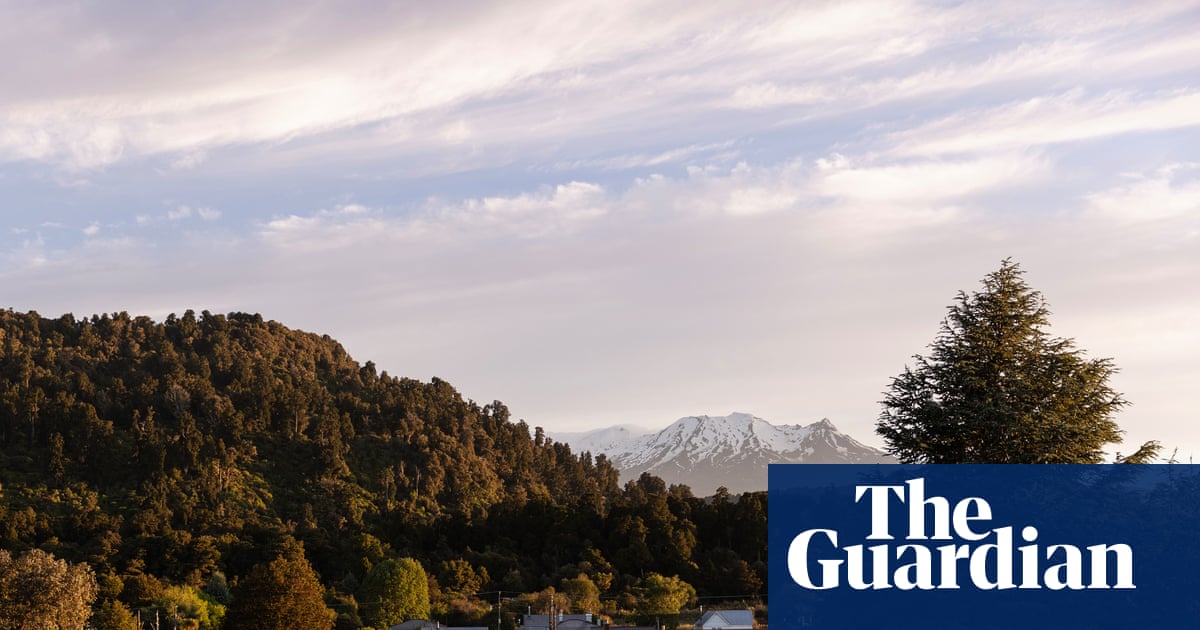
New Zealand's Ruapehu region, once sustained by its mountain and mills, now exemplifies the struggle of rural communities facing population decline. For generations, Mount Ruapehu and the mills operated by Winstone Pulp International, the region's largest employer, attracted and retained residents.
That said, the reality is a bit more complicated. disruptions have shaken the region. Global warming has impacted the mountain's snow, shortening seasons and leading to layoffs. The Chateau Tongariro hotel, a fixture for almost a century, closed in 2023 due to earthquake risks, adding to the area's woes.
The most significant blow came in October 2024 when Winstone Pulp announced the closure of its two mills near Ohakune after nearly 50 years, citing high energy costs. This decision resulted in over 230 job losses and negatively impacted numerous businesses dependent on the mills. The majority of affected workers resided in Ohakune (population 1,360) and Raetihi (population 1,140), located a short drive away.
Janelle Finch, who owns a merino clothing company and cafe in Ohakune, described the mill closure as devastating. She noted the subsequent relocation of friends and the resulting "chain effect." A visit by the Guardian in late November revealed many empty shops and "for sale" signs lining residential streets.
Ruapehu is not alone. Since 2023, multiple towns and rural regions have experienced mill and factory closures due to high energy prices, decreased demand, and rising costs, leading to over 1,000 redundancies.
Some Ruapehu families are determined to remain, while others are joining the growing number of New Zealanders leaving the country or moving to other regions for work. Brenda Burnard, a childcare center manager in Raetihi, is relocating to Foxton to join her husband, who found work there after losing his mill job. Leaving after 25 years is bittersweet, she said, but necessary.
Economist Shamubeel Eaqub notes that while some rural economies have improved due to immigration and the dairy industry, regions reliant on one or two industries are vulnerable. Helen Leahy, chief executive of the local Ngāti Rangi tribe trust, emphasized that the mill closures represented a disintegration of community and connection to place. With nearly half the local population being Māori, many Indigenous mill workers felt conflicted about leaving their ancestral lands. The iwi is providing job training to affected families as part of a long-term vision for the region's prosperity.
According to Stats NZ, seven of New Zealand's 16 regions experienced net population losses in the year ending June 2025. Sociologist Paul Spoonley points to lower immigration, inadequate services and jobs, and aging populations as factors contributing to regional stagnation. He predicts a concentration of New Zealand's population in the northern North Island, particularly Auckland.
While New Zealand's overall population is increasing due to births and immigration, a struggling economy is driving tens of thousands to leave. In the year to October, 71,400 New Zealanders emigrated, contributing to a net migration loss of 45,100 citizens. Approximately 60% of these emigrants moved to Australia, attracted by higher average incomes and work opportunities.
Regional Development Minister Shane Jones declined to comment. The government has stated its intention to stimulate the economy by cutting spending to reduce debt. Finance Minister Nicola Willis has said that economic growth will address the issue of New Zealanders leaving.
That said, the reality is a bit more complicated. Ruapehu residents feel neglected, with Mayor Weston Kirton criticizing the government's failure to protect the mills from rising energy prices. He believes rural communities need more investment and better infrastructure to thrive. Despite the challenges, Kirton asserts that residents are proud of their region and want to remain.
Austin Hobson, a brewery owner in Ohakune, emphasizes the community's resilience and mutual support. Raewyn Sinclair, a Raetihi resident, and her partner Corey Brown are working multiple jobs to stay in the region after Brown lost his mill job. Despite the difficulties, Sinclair affirms her commitment to the community and her desire to remain in her home.