Exploring the Cosmic Events of 2026: A Closer Look at the Moon and Sun
हिंदी में सुनें
Listen to this article in Hindi
Discover the significant astronomical events of 2026, including lunar exploration and solar eclipses, and their scientific implications.
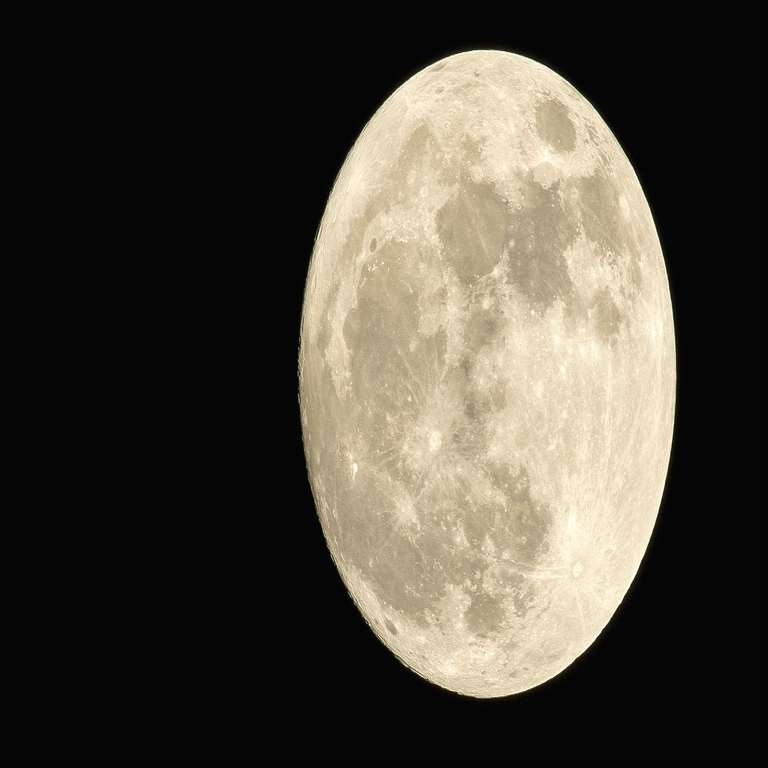
The year 2026 promises a fascinating array of astronomical events centering on the Moon and the Sun. With the first crewed lunar mission in over fifty years, NASA's upcoming Artemis program aims to explore areas of the Moon that were previously unseen by the Apollo astronauts. This mission will not only mark a significant milestone in human space exploration but will also enhance our understanding of the Moon's geology and potential future landing sites.
The mission, led by commander Reid Wiseman, is designed to gather valuable data about the lunar far side, which remains largely unexplored. The crew will conduct a flyby of the Moon without landing, which means that the actual footprints on the lunar surface will be left to subsequent missions. This approach has practical implications for future lunar exploration, as it allows scientists to gather data remotely while planning for more extensive missions.
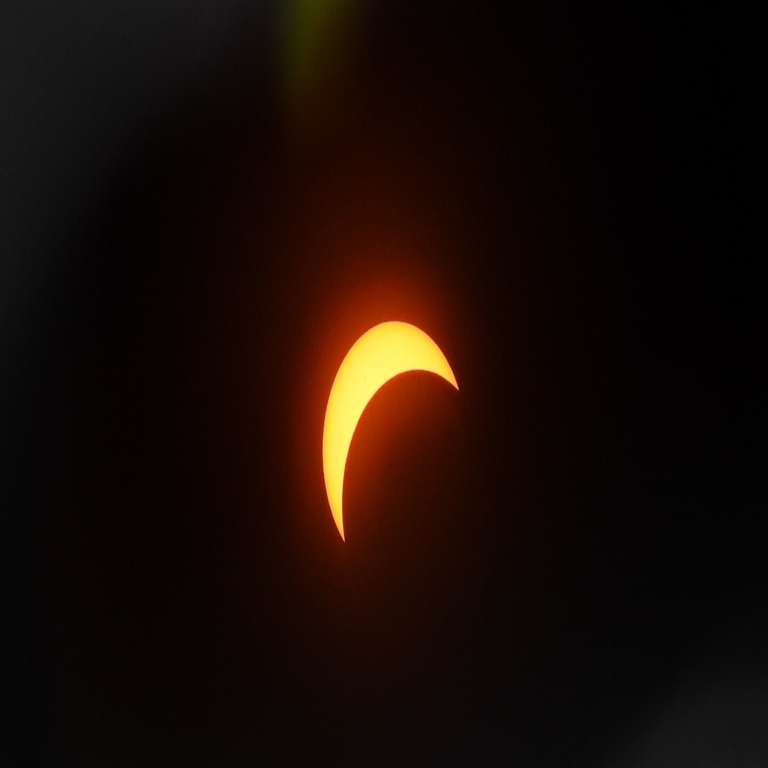
In addition to lunar exploration, 2026 will also see significant solar phenomena. A ring-of-fire eclipse is scheduled for February, primarily visible from the southern hemisphere, showcasing the Sun's corona. Later in the year, a total solar eclipse in August will be observable from parts of the northern hemisphere. These events underscore the dynamic nature of our solar system and offer opportunities for scientific observation regarding solar activity and its effects on Earth.
Moreover, the appearance of the interstellar comet 3I/Atlas adds another layer of interest. As it makes its way through our solar system, it provides a unique opportunity for astronomers to study a celestial body originating from outside our solar system. The comet, currently visible with strong telescopes, is expected to fade in visibility but will offer insights into the composition and characteristics of interstellar objects.
The excitement surrounding these events is tempered by the understanding that while they present unique observational opportunities, they also raise questions about accessibility and the technology needed for effective study. Not all communities will have equal access to view these celestial events, particularly the eclipses, which are often limited by geographic location.
Additionally, the exploration of the Moon raises practical concerns about the sustainability of human activities in space. As missions increase in frequency and complexity, the potential for space debris and environmental impact on celestial bodies must be considered.
The anticipation of more interstellar visitors, as expressed by NASA's Paul Chodas, reflects the evolving capabilities of astronomical technology. That said, the reality is a bit more complicated. the limitations of current observational technologies mean that ongoing advancements are necessary to fully understand the cosmos.
In summary, the cosmic events of 2026 highlight the interconnectedness of exploration, observation, and the technological advancements that facilitate our understanding of the universe. These events serve not only as milestones in space exploration but also as reminders of the complexities and limitations inherent in our quest for knowledge about the cosmos.
Editor's note: This article was independently written by the Scoopliner Editorial Team using publicly available information.