The Expanding Nuclear Horizon in Outer Space

The Expanding Nuclear Horizon in Outer Space

Updated on 06 Dec 2025 Category: Science

The United States has unveiled a major step in its Lunar Fission Surface Power Project, aiming to install a small fission-based nuclear reactor on the Moon by the early 2030s.


FAQs
1. Why is nuclear power preferred over solar power on the Moon ?
Because the Moon experiences 14-day-long nights, making solar unreliable and requiring massive batteries. Nuclear provides constant power.
2. What is NASA’s Lunar Fission Surface Power Project ?
A U.S. initiative to deploy a small fission reactor on the Moon by early 2030s to support Artemis base operations.
3. Are nuclear reactors allowed in space under international law ?
Yes. The Outer Space Treaty bans nuclear weapons but permits peaceful nuclear power systems like reactors or RTGs.
4. What are the major risks of nuclear power in space ?
Radioactive contamination, unsafe testing, territorial disputes from “safety zones,” and potential geopolitical conflict.
5. How can nuclear propulsion help Mars missions ?
NTP and NEP systems can cut travel time, improve safety, and allow heavier cargo missions.


Source: Sanskriti IAS   •   06 Dec 2025

Related Articles

World’s clearest night skies: 7 destinations every stargazer should see at least once

Light pollution has made truly dark night skies increasingly rare, but several regions around the world still offer exceptional stargazing experience. Here …

Source: CNBC TV18 | 06 Dec 2025
Plants failed to absorb carbon 56 million years ago - Are we near a repeat?

Plants pull carbon from air during photosynthesis. They store carbon in leaves, wood and roots. This process supports the global carbon cycle.

Source: Moneycontrol | 06 Dec 2025
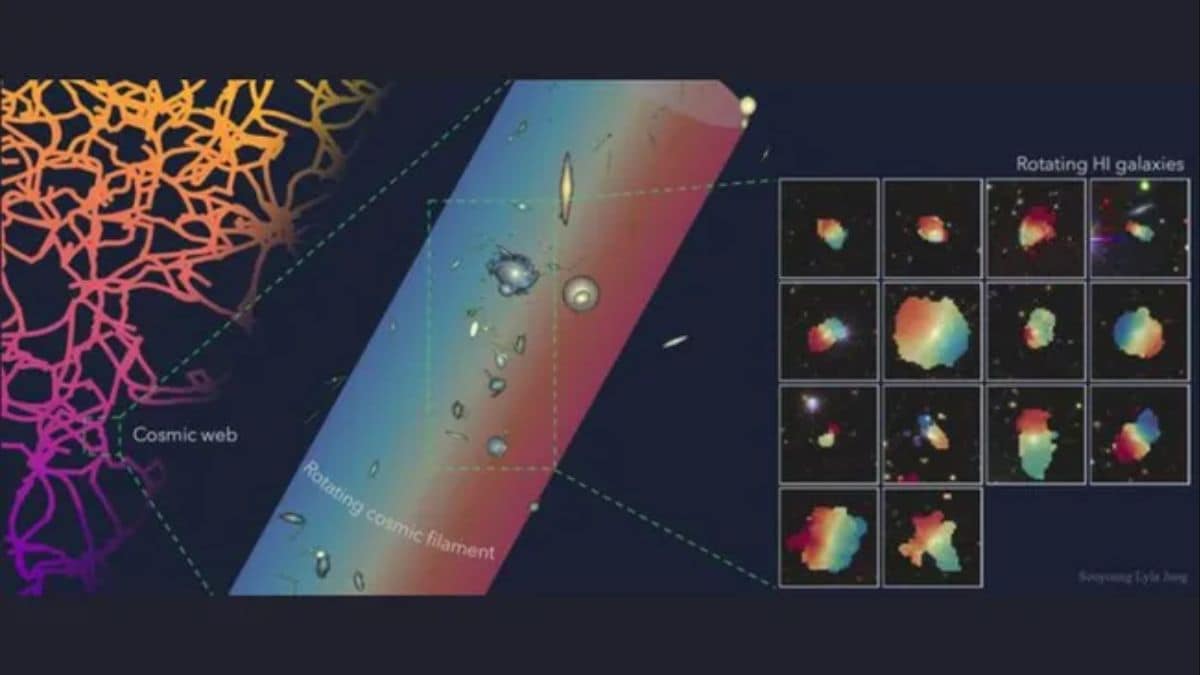
Astronomers Spot Galaxies Moving in Sync Across a 50-Million-Light-Year Stretch

A global team has identified a 50-million-light-year cosmic filament with 14 galaxies rotating together—an enormous structure that challenges galaxy-formation models and reveals …

Source: Gadgets 360 | 06 Dec 2025
← Back to Home

QR Code Generator