Cricket, Revenue, and Geopolitical Impact: The Two-Day Test in Melbourne
हिंदी में सुनें
Listen to this article in Hindi
The recent two-day Test match at the MCG highlights revenue concerns and the geopolitical significance of sporting events.
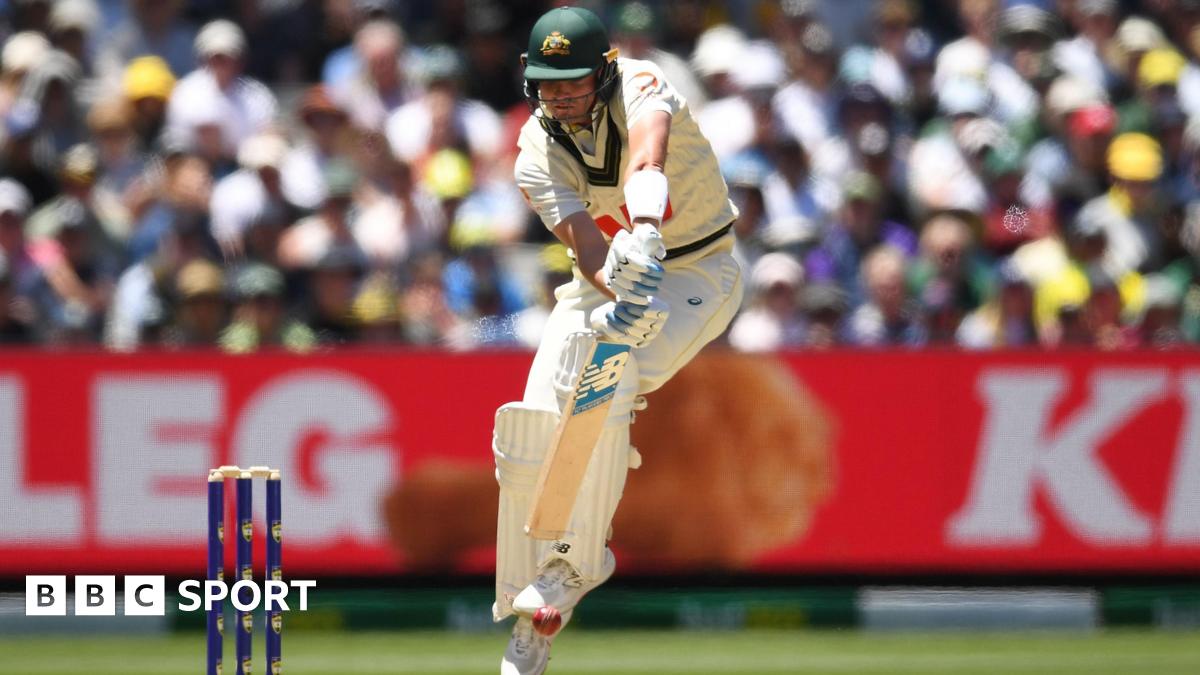
In the landscape of global sports, cricket holds a unique position, particularly in the Commonwealth nations where it serves as a cultural touchstone. The recent two-day Test match between England and Australia at the Melbourne Cricket Ground (MCG), while a sporting event, transcends mere entertainment to reflect deeper economic and geopolitical currents. With Cricket Australia estimating a loss of approximately 10 million Australian dollars due to the early conclusion of the match, the financial ramifications extend beyond the immediate loss to highlight the precarious nature of sports economics in relation to national pride and international relations.
The significance of cricket is particularly acute in the context of Australia and England, where sporting rivalries often mirror historical and political tensions. The Ashes series, a symbol of competition and rivalry, has implications that reach beyond the cricket pitch. The rapid conclusion of the recent Test undermines Australia’s status in the cricketing world, raising questions about the quality and management of sporting facilities, which could affect future international fixtures and tourism.
The event underscores the challenges faced by sporting organizations in maintaining standards that meet both competitive and spectator expectations. The curator's admission of shock at the pitch conditions signals a critical failure in preparation that could deter future investments in cricket venues. This is especially relevant as nations navigate post-COVID economic recovery, where sporting events are seen as both cultural celebrations and significant revenue streams.
The financial implications of the two-day Test resonate within a broader economic context. As countries like Australia seek to re-establish their tourist appeal, the ability to host world-class sporting events becomes vital. The loss of revenue from the MCG Test not only impacts Cricket Australia but also the local economy, where hospitality and tourism sectors are already vulnerable.
In examining the international significance of the event, it is essential to consider how failures in one nation’s sporting infrastructure can ripple through to its global reputation. Such instances can lead to a loss of confidence among international partners and sponsors, who expect a certain standard. This is particularly pertinent as countries increasingly vie for global sporting events to boost their international profiles.
Furthermore, the reactions to the pitch conditions reflect a broader scrutiny of sporting governance and management practices. The discourse surrounding the quality of the pitch may serve as a microcosm for how nations are viewed in terms of their capability to host international events. The risk of reputational damage can lead to long-term consequences, affecting not only cricket but also other sectors that rely on international visibility and prestige.
Additionally, the event raises questions about the balance between tradition and modern expectations in sports. As cricket continues to evolve, the pressure on curators and groundsmen to produce pitches that cater to an increasingly sophisticated audience grows. The MCG's recent experience may prompt a reevaluation of practices and standards across Australia and globally, pushing for reforms that align with contemporary sporting standards.
So where does that leave things? while the two-day Test match at the MCG may appear as a singular event in the realm of sports, its implications are multilayered and significant. The financial losses and reputational risks involved draw attention to the broader geopolitical dynamics at play, illustrating how sporting events can influence national identity, economic stability, and international relations. As nations navigate these complexities, the stakes of sporting governance have never been higher, making the case for a more strategic approach to sports management worldwide.
Editor’s note: This article was independently written by the Scoopliner Editorial Team using publicly available information.