The Ashes 2025-26: Snicko controversy continues with Jamie Smith dismissal
हिंदी में सुनें
Listen to this article in Hindi
Jamie Smith's dismissal in the third Ashes Test has reignited the Snicko controversy, following earlier issues with Alex Carey's not-out decision.
The ongoing Snicko controversy shows no signs of abating as England faces a potential Ashes defeat in the third Test in Adelaide. The technology was again called into question following Jamie Smith's dismissal, after a similar incident involving Alex Carey on day one.
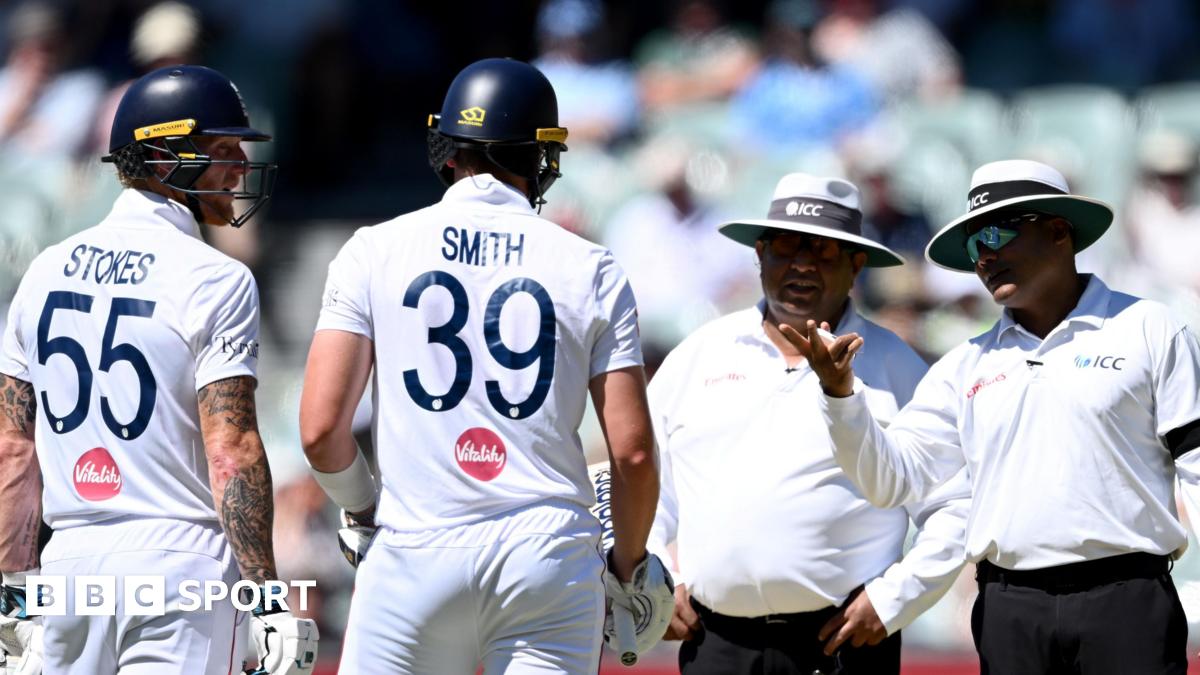
England's wicketkeeper, Jamie Smith, found himself at the center of two contentious decisions. The first appeal against Smith was turned down, but he was later given out caught behind for 22 runs. Commenting on the situation, one Australian player was overheard saying, "This could be anything," while another suggested reviewing everything. Smith visibly disagreed with the decision as he left the field, and captain Ben Stokes also appeared unhappy.
The accuracy and reliability of the technology are clearly being questioned by the players on the field. This followed an earlier incident on Wednesday when Alex Carey was given not out after England reviewed a caught-behind decision when the Australian wicketkeeper was on 72. The initial not-out ruling was due to a synchronization error between the audio spike and the video, which was later attributed to operator error.
The first incident involving Smith occurred in the 44th over, with England at 149-5. Australia appealed for a catch after a ball looped to Usman Khawaja at slip. On-field umpire Nitin Menon referred the decision to TV umpire Chris Gaffaney to determine if the ball had carried. Gaffaney reviewed replays to ascertain whether the ball had struck Smith's glove or helmet. Although TV pictures suggested the ball may have hit the glove, the Snicko technology was inconclusive, showing a spike as the ball passed the helmet, not the glove. Gaffaney concluded the ball had hit Smith's head.
The Australian fielders expressed their dissatisfaction, with one heard saying "Snicko needs to be sacked." Marnus Labuschagne exclaimed, "Nitin, this is outrageous. Has the ball gone through his glove?" Menon explained that they checked for a fair catch, believing the ball may have come off the glove, but determined it hit the helmet. It also appeared the ball did not carry to Khawaja.
The second decision led to Smith's dismissal. He attempted a pull shot off Pat Cummins, and Australia confidently appealed for a thin edge. Smith seemed certain he had not hit the ball and was prepared to review the decision had it been given out on the field. Umpire Menon, unsure if the ball had carried, sent the decision for review. As the players gathered, Nathan Lyon asked Ben Stokes if he had heard anything.
Gaffaney initially stated "there is nothing obvious there" after viewing a replay. That said, the reality is a bit more complicated. Snicko showed a spike as the ball passed the toe of Smith's bat – within the accepted margin of error. Smith was given out, leading to visible frustration from both him and Stokes.
Former England spinner Alex Hartley commented, "This is where Snicko needs sacking, as we heard down the stump mic. Clearly Australia have gone up and made a loud noise because everybody knows we don't trust Snicko right now so you just appeal for everything and review it if you have to."
Debate also arose regarding the review process, specifically whether the TV umpire should have checked for an edge when the initial referral was for a fair catch. That said, the reality is a bit more complicated. the International Cricket Council's playing conditions state that the third umpire should determine whether the batter has been caught, including checking for a no-ball and whether the batter has hit the ball, suggesting the correct procedure was followed.
Former Australian bowler Glenn McGrath stated that "I think for both decisions the right decision was probably made." Despite this, the debate surrounding Snicko's accuracy persists, with growing distrust among players.